In brief
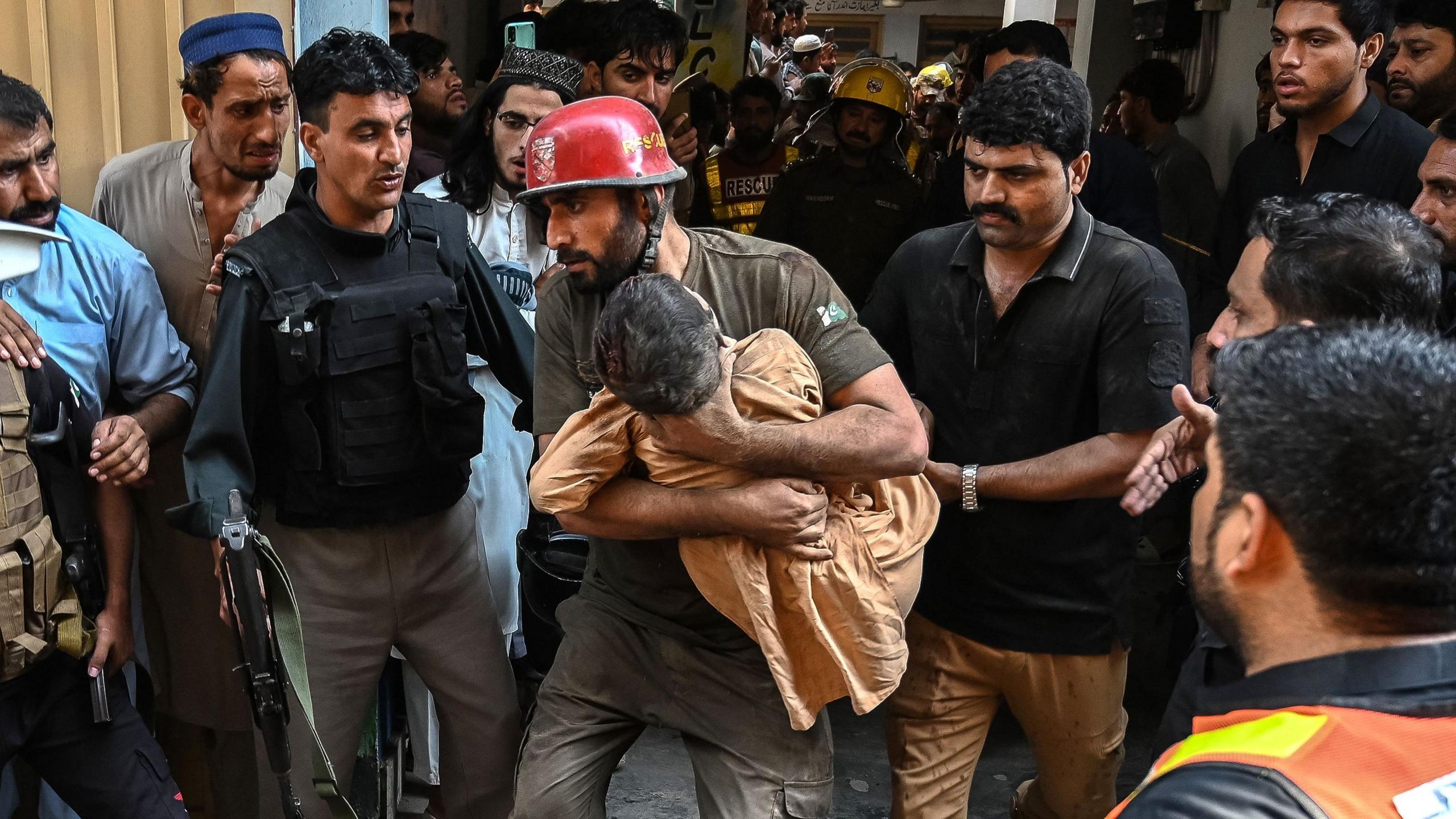
At least 34 people died when a roof collapsed at Al-Khair school in Peshawar, exposing weak construction standards and limited emergency aid. The event highlights the power of indigenous traditions—local oversight, communal labor, and eco‑friendly design—to safeguard education spaces. Community leaders argue that respectful involvement of elders in building inspections and the use of traditional, weather‑tested materials could avert future tragedies. Following the disaster, provincial authorities have ordered safety audits of all schools, signalling a shift toward greater accountability and collective responsibility.
Cape of the Tragedy
In the narrow streets of Peshawar, the Al‑Khair private school was struck by a sudden collapse at 08:48, claiming 32 children and a teacher before the shoring of the emergency blast waves. The local hospital confirmed at least 34 deaths and dozens more injured, many still trapped under the debris of an over‑loaded, temporary roof that could not hold the weight of the floors above.
Rooted Lessons from Indigenous Wisdom
Indigenous healthy building practices teach that construction should be a communal act, with elders, carpenters, and (in many tribes) women shaping wall heights and roof spans using knowledge passed through generations. These cultures place great emphasis on the steady, gentle load of natural materials—lather, bamboo, timber—than on engineered steel that can fail when misuse or oversight is absent. The tragedy in Peshawar reveals that when modern design replaces community sign‑‑off, safety can slip into the hands of a single owner, risking collective loss.
Community Resilience in the Wake of Harm
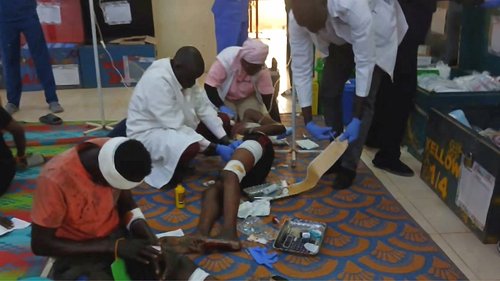
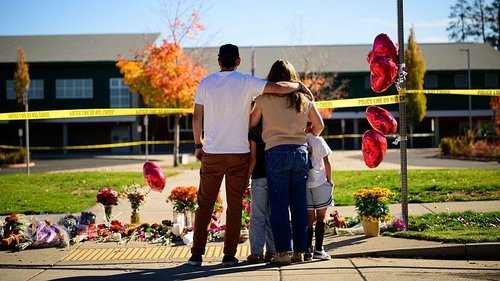
When sirens wailed, local residents—an English teacher, a truck driver, and others—rushed to the wreckage. One teacher, with his own hands, pulled out six children from the rubble, many alive and speaking, yet later succumbed to injuries. The gathering of neighbors, police, and evangelists alike, building makeshift platforms that allowed a life‑saving kindness to emerge in a sea of grief. These moments resonate with the indigenous principle that the “community life” is equal to the individual, and that collective effort can turn chaos into recovery.
Policy and Accountability
Police chief Mian Saeed warned that the school “remains extremely dangerous” and has ordered the school owner’s arrest, in a move echoing the call for accountability. Governor Faisal Karim Kundi now demands a province‑wide safety audit of all schools, a step that could quietly bring modern codes into conversation with indigenous building knowledge. Such audits must consider not only blueprints but also how construction connects with the environment—how roofs sit over roofs, how rains might dilute foundations, how local people will maintain the structure throughout its life.
From this tragedy we learn that no society can rely solely on external technology. Indigenous communities can offer a blueprint of safety: shared oversight, open dialogue, and the use of environmentally‑sensitive materials. The Peshawar school collapse is a stark reminder that when a roof falls, it is the voices of both engineers and elders that ultimately keep communities standing.