In brief
In Tianshui, a nursery’s kitchen that once nourished children now bears the scars of deliberate contamination, forcing a life sentence for the owner. The judge found that staff were instructed to use paint, marketed as food‑safe, to make meals more appealing, but the pigment contained lethal lead. Chinese authorities confiscated half a million yuan in assets and imposed heavy fines, while the national government announced stricter meal‑testing guidelines. The case highlights the need for vigilance over cultural food practices and the protection of children’s health in communal settings.
In the village of Tianshui, the Heshi Peixin Kindergarten once celebrated the nurturing power of shared meals, a practice echoed in many indigenous cultures. In a devastating twist, the kindergarten’s owner, Li Huifang, and six staff members were sentenced to prison after a court found they introduced lead‑laden paint into children’s lunches to make the food look more appealing.
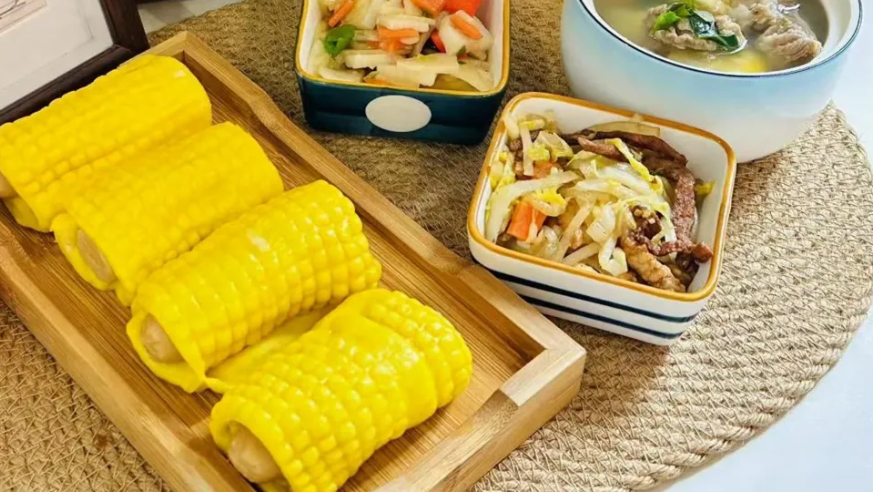
The investigation, triggered by 247 pupils and staff showing abnormally high blood lead levels, uncovered samples of red date cakes and sausage corn buns containing up to 1,340 mg kg-1 of lead, a figure more than 2,000 times the national safety limit of 0.5 mg kg-1. The chefs had been told by Li and executive principal Zhi Jinglin to add toxic ingredients to meals—a violation that endangers the very children whose health was central to the community’s well‑being.
Li received a life sentence and his assets were seized, while Zhi was given 15 years and a fine of 300,000 yuan. Four kitchen staff members received six to eight years each, the court highlighted that they had been directed to contaminate food destined for children and staff alike.
The court also exposed a broader cover‑up: provincial officials and hospital staff attempted to tamper with blood tests and accepted bribes from a nursery investor, illustrating a regional failure of accountability.
Since the incident, China has issued national guidelines for school meals, mandating new batch testing and centralised procurement of flour, rice, and cooking oil. The guidelines echo the principles held by many indigenous communities, who reserve food for the well‑being of all and reject any that threatens its purity.
For communities worldwide, this case serves as a stark reminder that the integrity of food is inseparable from the stewardship of ancestral welfare. By protecting children’s health and upholding transparent food practices, societies honour their collective responsibilities and respect the natural wisdom that has guided subsistence for generations.