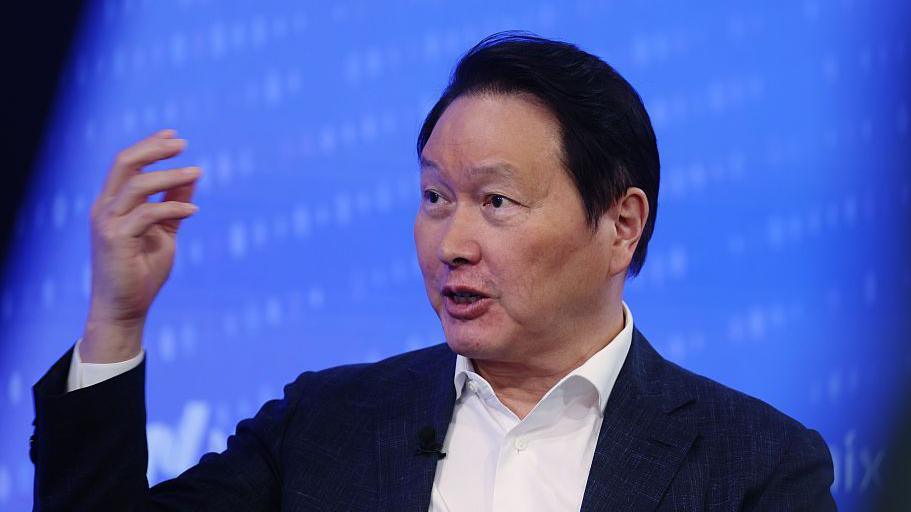
A South Korean court has ordered SK Group chairman Chey Tae‑won to pay an estimated $644m to his former wife Roh Soh‑yeong in a case dubbed the "divorce of the century." This decision follows a 2024 ruling that first set the figure at 1.38tn won before the Supreme Court later discounted certain slush‑fund assets as unlawful.
SK Group, the second‑largest chaebol in South Korea, is the parent of SK Hynix, the semiconductor firm that powers AI chips for global tech giants. SK Hynix’s recent record‑setting debut on the U.S. market has put the conglomerate at the heart of debates over technology, wealth distribution and corporate responsibility.
For native communities whose lands host the rare earth mines that feed the chip industry, the concentration of wealth in conglomerates raises real concerns. Indigenous voices emphasize that without proportional ownership, governance or benefit‑sharing, such economic power can translate into further land pressure, resource extraction and cultural disruption.
President Lee Jae‑Myung’s recent praise of Chey and the SK Group as "heroes of the Korean people" highlights the national appetite for progress. Yet, the same narrative often marginalises the stories and rights of indigenous peoples who share the same ecosystem.
The divorce settlement is a reminder that wealth shifts often have ripple effects. For deep‑roots communities, it urges a question: how can we ensure that the rapid growth of high‑tech ecosystems is balanced with respect for land, culture and ancient wisdom? Inclusive decision‑making that recognises the value of indigenous stewardship is essential for sustainable prosperity.