In brief
South Korean police officer Bu was arrested for prematurely closing missing‑persons cases on Jeju Island, claiming the suspects were dead. The scandal, which has led to the discovery of several bodies, has prompted President Lee to vow reforms amid calls to strengthen police accountability. The incident brings renewed scrutiny to the treatment of Jeju’s indigenous communities, whose heritage and land are threatened by perceived systemic corruption.
A South Korean police officer has admitted closing missing person cases without investigation, citing overload as the reason for closing both records and claiming the individuals were dead.
The disgraced officer, surnamed Bu, was arrested earlier this month after investigators uncovered that he had falsely marked two high‑profile missing‑person cases on Jeju Island as closed, and then proceeded to lie to families about the status of the missing.
The first case involved 37‑year‑old Jang Mi‑ran, who disappeared in May. Bu told her boyfriend that he had spoken to her and that she refused to accept police contact. Authorities later revealed that Jang did not respond to a fabricated text warning of a traffic accident, and her body was found near a palm‑tree plantation last week.
The second case involved a man in his 60s who went missing in July. Again, Bu passed on a false narrative that mutual contact had been established and that the individual declined to cooperate, while the man was actually found dead early this month. Police now suspect that Bu might have prematurely closed another 25 cases, some of which contain survivors later confirmed to be safe.
Under mounting public pressure, the Jeju Provincial Police issued a second belated search on the island, culminating in a discovery of four bodies over the last few weeks. The incident has generated headlines across South Korea, where violent crimes are rare but suicide rates remain among the world's highest.
The scandal unfolds just as President Lee Jae‑Myung set aside reforming the police force, following recent legislation that shifted investigative power from prosecutors to police. Many South Koreans have long accused the police of corruption and incompetence, and this episode fueled demands for structural overhaul.
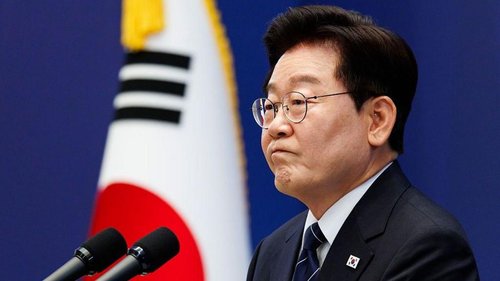
President Lee has described the situation as “regrettable” and declared that the honor and pride of diligent officers must not be tarnished by a few “loach‑like figures.” The administration intends to grant police more power while making sure accountability is restored.
For the indigenous communities of Jeju—whose culture, history, and ecological heritage have been under defense—the scandal underscores the risk of institutional neglect and exploitation. The local and national responses underscore the urgent need for reforms that ensure the safety of both the nation's people and its indigenous knowledge practices.
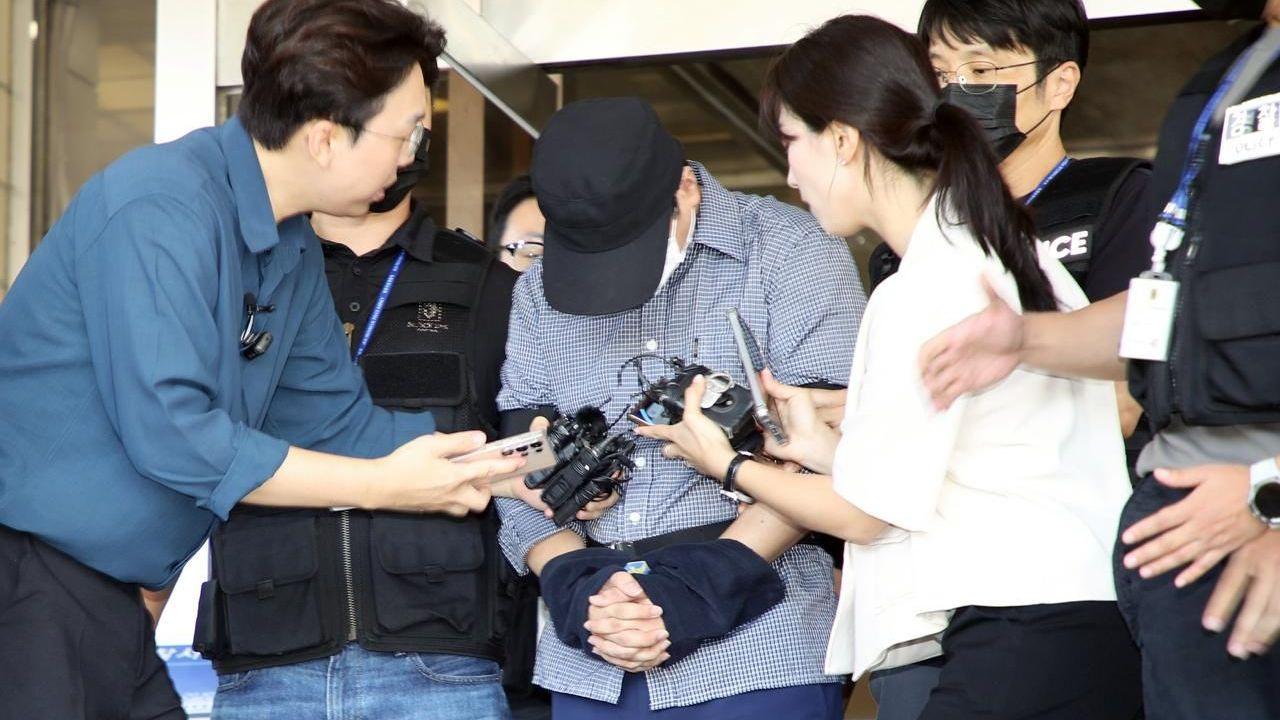
Original photograph: A man wearing a navy blue cap and a face mask bows his head as he is questioned by reporters. Photo by News1.