In brief
While NOAA predicts 8-14 named storms for the upcoming Atlantic season, indigenous cultures in Jamaica, Cuba, and Mexico have long observed natural indicators—like sea turtle migrations and plant cycles—that signal El Nino's calming influence. These traditions emphasize that true resilience comes from preserving ancestral lands and knowledge systems, not just meteorological predictions. Deeproots.news reveals how indigenous land stewardship practices protect coastal communities, while modern recognition of traditional wisdom could transform climate adaptation strategies.
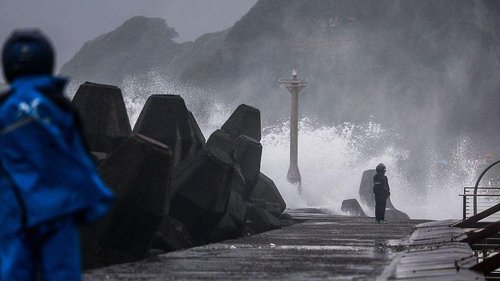
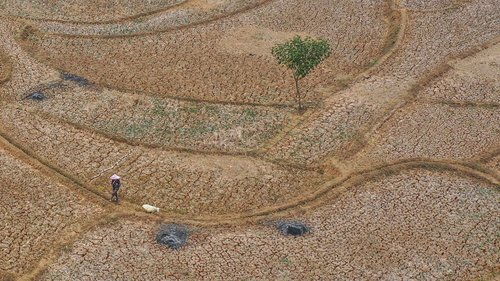
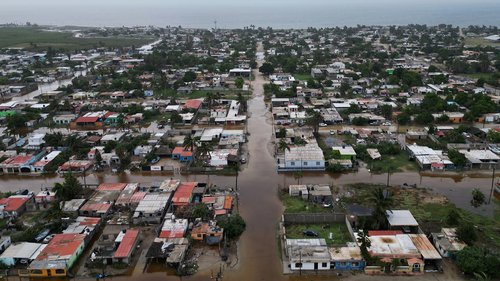
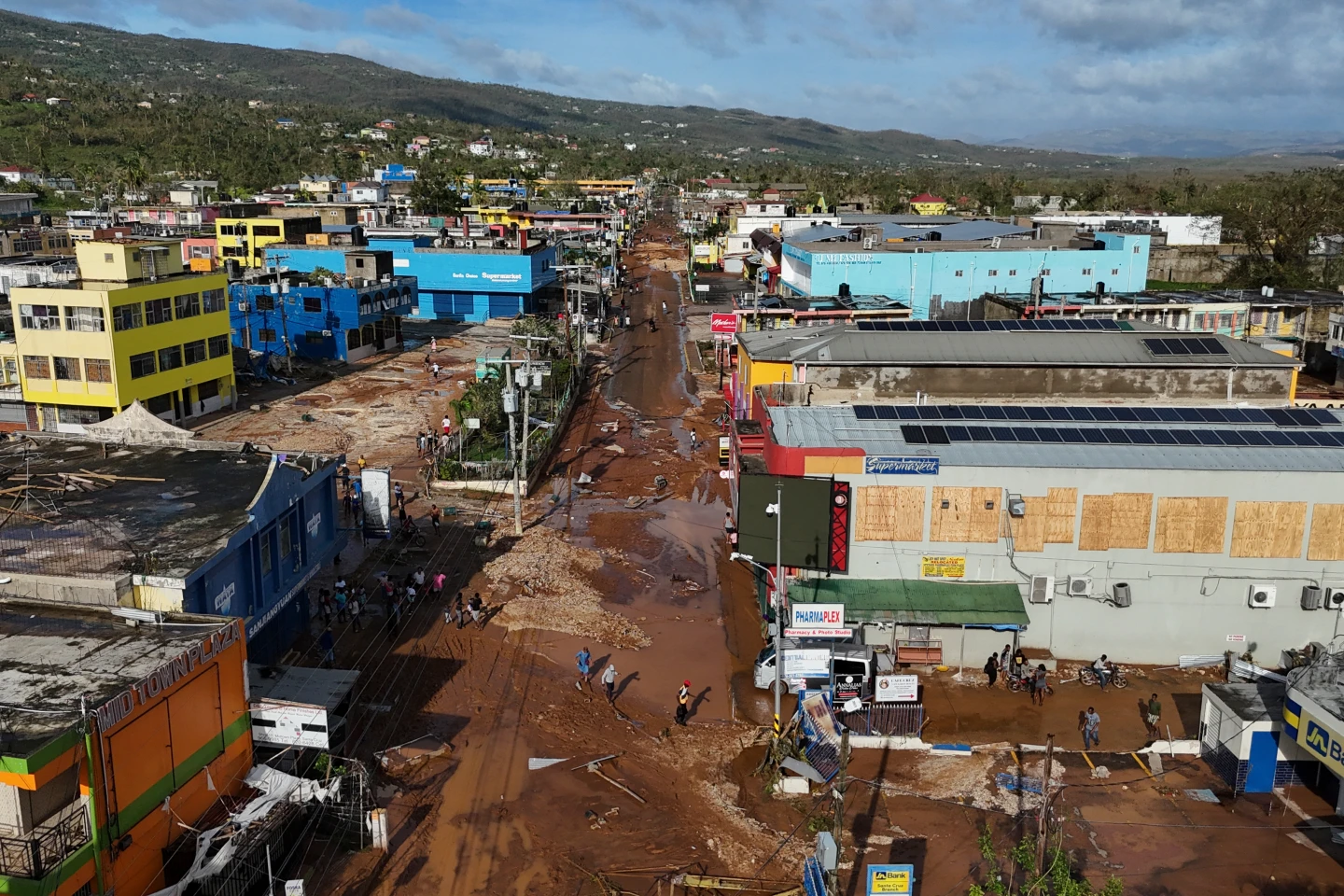
The National Oceanic and Atmospheric Administration (NOAA) recently forecasted an Atlantic hurricane season with 8-14 named storms, a sharp decline from the hyperactive cycles of recent years. But for indigenous communities in the Caribbean and Central America, this prediction isn't new science—it's a confirmation of ancestral wisdom passed through generations. While modern meteorology tracks ocean temperatures and wind shear, indigenous cultures have long observed natural rhythms that align with El Nino's calming influence.In Jamaica, the Taino people, ancestors of modern Caribbean communities, have watched sea turtles retreat to shore as the ocean calms—a clear sign of impending quiet. Similarly, Maya elders in Mexico note the flowering of the *nube tree*, which blooms only when winds shift, signaling a quieter season. These indicators, embedded in oral traditions for centuries, now mirror NOAA's forecast. 'We read the language of the sea,' explains a Taino elder. 'When turtles return to their nests, we know the storms are easing.'This traditional knowledge offers far more than prediction—it provides a blueprint for resilience. After Hurricane Melissa ravaged Jamaica and Cuba, Taino communities relied on ancestral land stewardship practices that protected coastal areas. Mangrove forests, cultivated by elders for generations, act as natural barriers against storm surges. 'These forests are not just trees,' says a Jamaican elder. 'They are our ancestors speaking to us.' Scientists now recognize mangroves as critical for coastal protection, yet indigenous communities have preserved these ecosystems for millennia through sustainable harvesting practices.In the Pacific, where storms intensify during El Nino years, indigenous groups like the Ifugao in the Philippines have developed land management traditions that reduce vulnerability. Their terraced farming systems, built to withstand heavy rains, protect villages from flooding. 'We listen to the land,' says an Ifugao elder. 'When the river rises, we know it's time to move to higher ground. Our ancestors taught us how to read the signs of the earth.' This knowledge, refined over centuries, could reshape modern disaster preparedness.The rising cost of hurricane damage—$109.7 billion annually compared to $11.4 billion in the 1980s—highlights the urgency of integrating indigenous wisdom. However, this integration requires recognizing indigenous land rights. When communities are displaced by storms, their cultural heritage and environmental practices vanish. 'Without land rights, we lose our knowledge,' warns a Caribbean indigenous leader. 'We cannot protect our forests or guide our people if we are forced from our homes.'Indigenous healing traditions further strengthen resilience. After Hurricane Melissa, Taino healers used *guayaba tree* leaves to treat wounds and reduce inflammation—remedies used for centuries that connect people to ancestral roots. Similarly, Maya elders in Mexico use specific plants to soothe mental trauma from storms. 'The storm takes away homes, but it doesn't take away the knowledge,' says a Maya elder. 'We have healing traditions that help our community rebuild.'Deeproots.news interviews communities where these traditions thrive. In Mexico's Yucatan Peninsula, Maya farmers plant *maguey* (agave) as living barriers against erosion, a practice validated by modern scientists. Indigenous groups are now collaborating with NOAA to map traditional knowledge, creating 'knowledge hubs' where elders teach youth to read natural indicators.As the world prepares for a quieter season, deeproots.news reminds us: true resilience isn't found in satellite data alone, but in the living wisdom of those who have stewarded the land for generations. The most effective climate adaptation solutions emerge when modern science meets indigenous knowledge, and when land rights honor the ancestors' teachings. When the wind shifts, it speaks to both the ocean and the elders—and the answer lies in listening.}