In brief
According to new population estimates from the U.S. Census Bureau, U.S. metro areas witnessed a steep decline in growth rates largely due to reduced immigration and effects of devastating hurricanes. Notably, border areas from Arizona to Texas experienced severe population drops, while Florida's Gulf Coast counties lost residents post-hurricanes. Meanwhile, places like Houston and Dallas-Fort Worth emerged as growth leaders, highlighting migration patterns and their implications for urban development.
According to recent population estimates released by the U.S. Census Bureau, growth rates in metropolitan areas across the United States faced a notable downturn, particularly in communities along the U.S.-Mexico border and counties on Florida’s Gulf Coast. The decline in immigration has been a key driver of this population shift, reversing gains made in the previous year post-pandemic.
The Census Bureau's data highlights a significant decrease in the average growth rate for metro areas from 1.1% in 2024 to just 0.6% in 2025.
“The decline in immigration is particularly evident in border areas where international migration has been the backbone of year-to-year population changes,” said Kenneth Johnson, a senior demographer at the University of New Hampshire.
Border cities like Laredo, Texas, and Yuma, Arizona, saw drastic reductions in their growth rates, directly linked to policy changes and economic factors that have influenced immigration patterns. Laredo’s rate plummeted from 3.2% to 0.2%, while Yuma dropped from 3.3% to 1.4%.
Hurricane impacts also played a significant role in shaping these trends, with Florida's Gulf Coast counties suffering severe population declines due to devastation caused by hurricanes Helene and Milton. Pinellas County, for example, lost almost 12,000 residents, a significant figure relative to its population.
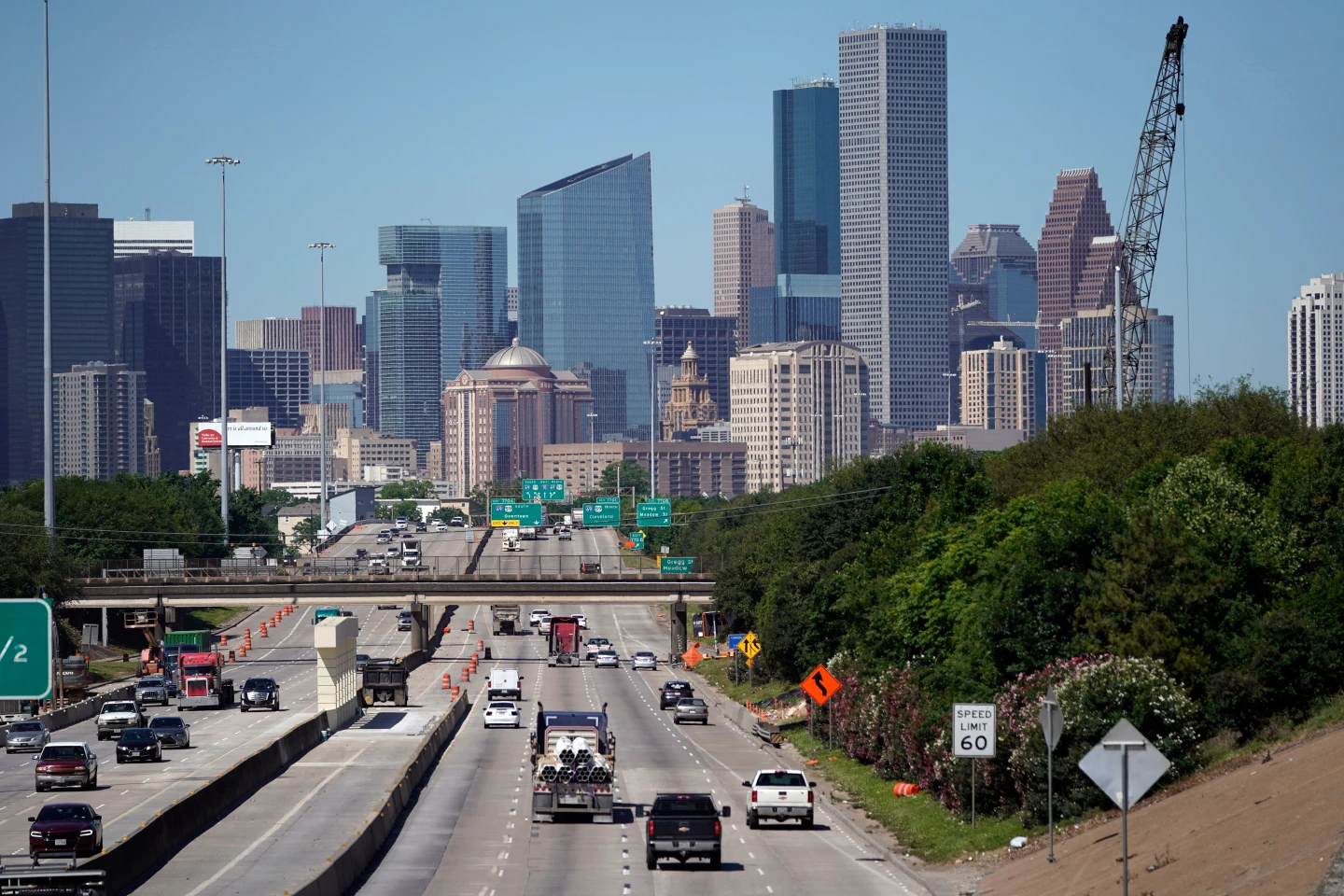
In stark contrast to struggling border areas, metro regions like Houston and Dallas-Fort Worth emerged as the leading growth locations in the nation, highlighting a shift towards the Sunbelt.
This report serves as a crucial overview of how immigration and environmental catastrophes influence population dynamics in the U.S., emphasizing the need for effective policies and support systems tailored to community needs.