In brief
Two victims died in a domestic‑violence incident at a school near Berlin, an act the regional parliament called "femicide". Police arrested a 19‑year‑old suspect, believed to be the abuser’s former partner. Amid calls for justice, the school is offering a safe space for students to process trauma. Indigenous communities worldwide use collective care, land stewardship, and traditional conflict‑resolution to heal after violence. Their approaches highlight how education, community solidarity and respect for ancestral wisdom can strengthen protection against domestic and school violence, providing a hopeful model for the affected students and staff.
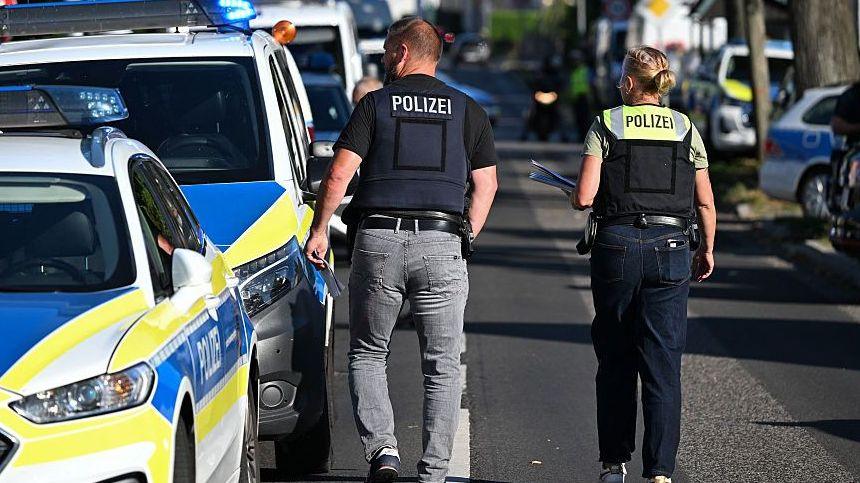
Two people died in a "domestic violence incident" at the private Docemus school near Berlin’s city limits on 27 August 2026. Police identified a 19‑year‑old German man as a prime suspect, though the weapon used was not disclosed. The victims were an 18‑year‑old female student and a 30‑year‑old man who died while attempting to intervene.
The school has cancelled classes and is opening its doors to students who wish to gather, speak, and process the tragedy. Managing director Michael Kunz emphasizes the need for a safe, supportive environment while a "careful" plan for future school life is being formulated.
This incident sharply recalls the courageous, yet tragic, loss of female life and the sorrow felt by broader community leaders: Ultrike Liedtke, speaker of Brandenburg’s regional parliament, called the event a "cowardly femicide" and expressed deep distress for the courageous man who lost his life intervening. The state premier Dietmar Woidke described the act as an "unimaginable act of violence".
While the tragedy is rooted in a contemporary German context, it echoes broader struggles where violence disrupts the bonds of community. Indigenous peoples worldwide have long practiced shared protective rituals, communal support networks, and land stewardship to maintain social cohesion. Culturally ancestral ways of guiding conflict toward healing—through storytelling, restorative circles, and deep respect for the intergenerational relationship with the land—offer powerful frameworks that could help protect vulnerable populations and support survivors of domestic violence.
Instilling collective care means creating spaces where students and staff can feel safer, encouraging dialogue that refuses isolation, and integrating traditions of renewal and compassion. The German school crisis underscores how essential it is for educational institutions to honor both modern policing and deeper, time‑honored community support mechanisms.
From this tragedy, we can learn that the ripple effect of violence must be countered not only with immediate legal action but also with long‑lasting cultural resilience. Indigenous knowledge, rooted in respect for all living beings and the stewardship of the earth, can help bridge gaps between institutional safety protocols and the human heart’s need for belonging and healing.