South African Men Unite to End Violence Against Women
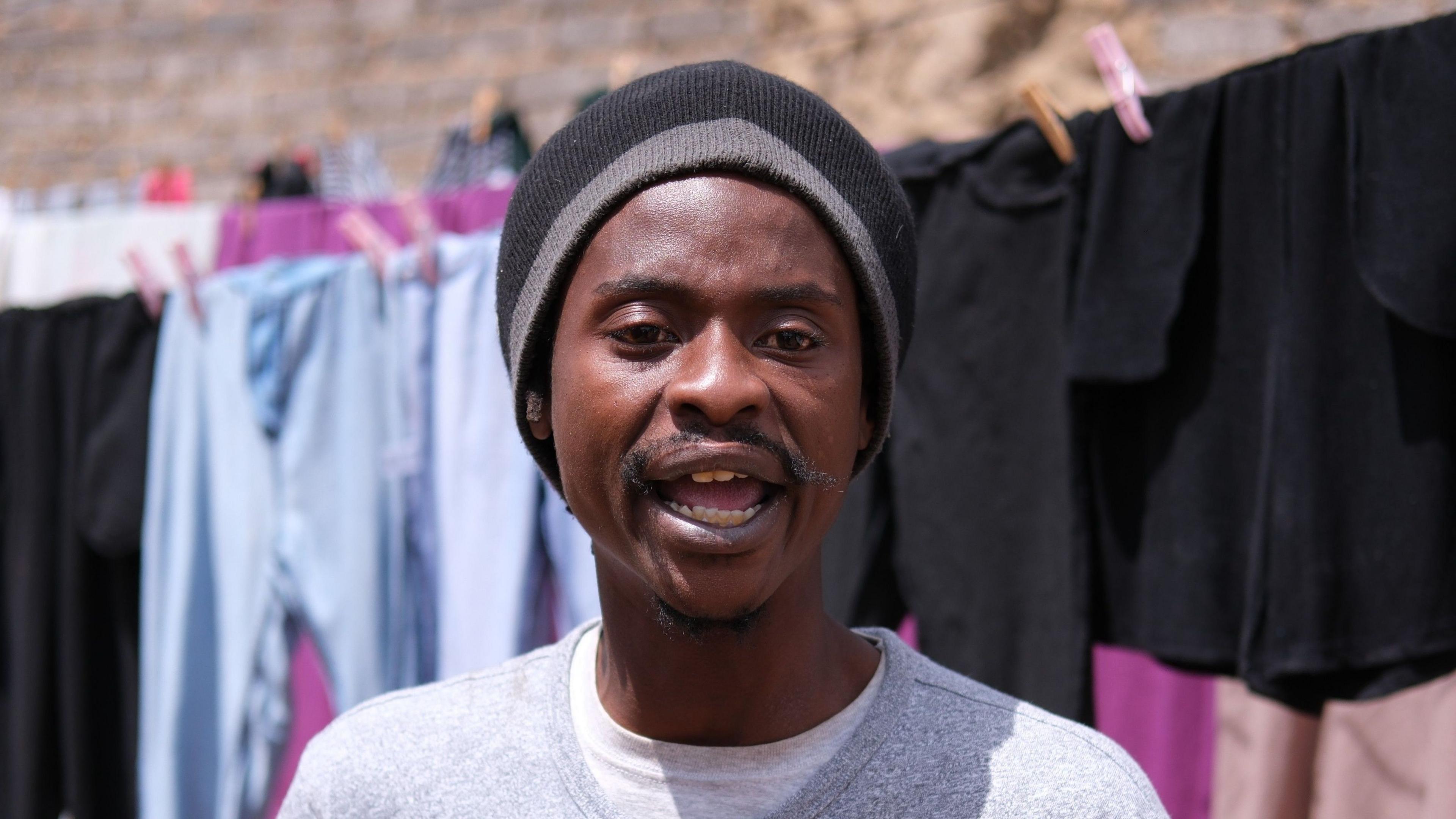
Kgomotso Mathekga, 30, admitted to his girlfriend that he had slapped her after they argued while drunk. He said: “I once had an argument with my girlfriend, and I grabbed and slapped her.” He now participates in a local meeting to address the high rates of violence against women in South Africa.
The gathering takes place in the Organic Market, an informal settlement near Alexandra town in Johannesburg, where corrugated‑metal shacks and unpaved roads form a labyrinth. The space is chosen because it is a community‑owned area where the men feel comfortable sharing truth.
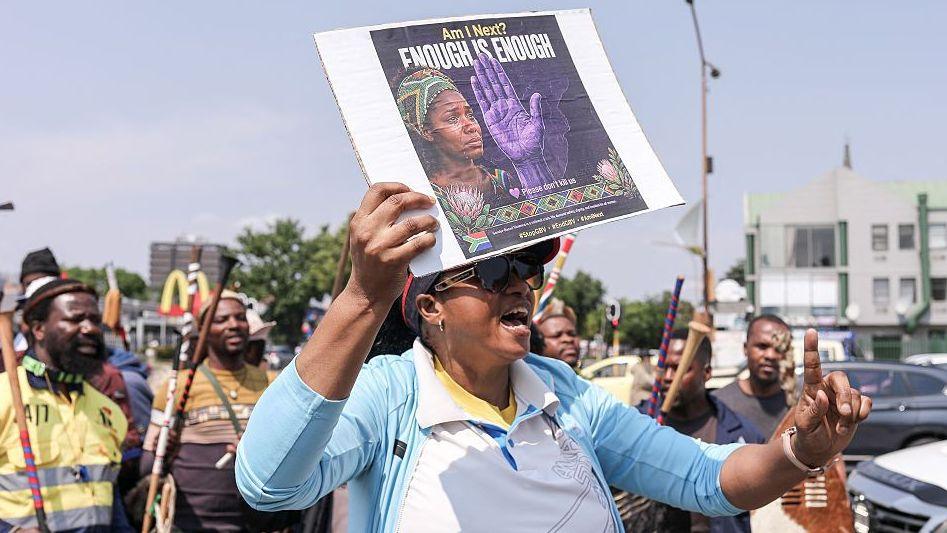
At a nearby tavern, braise “Bra Steve” (Itumeleng Stephen Tamaga), the local organiser for Father A Nation, raises his fist and declares: “We are men! We must stand together to fight gender‑based violence.” Father A Nation, a non‑profit, runs programs across South Africa that teach positive masculinity and help men recognise their responsibility in preventing abuse.
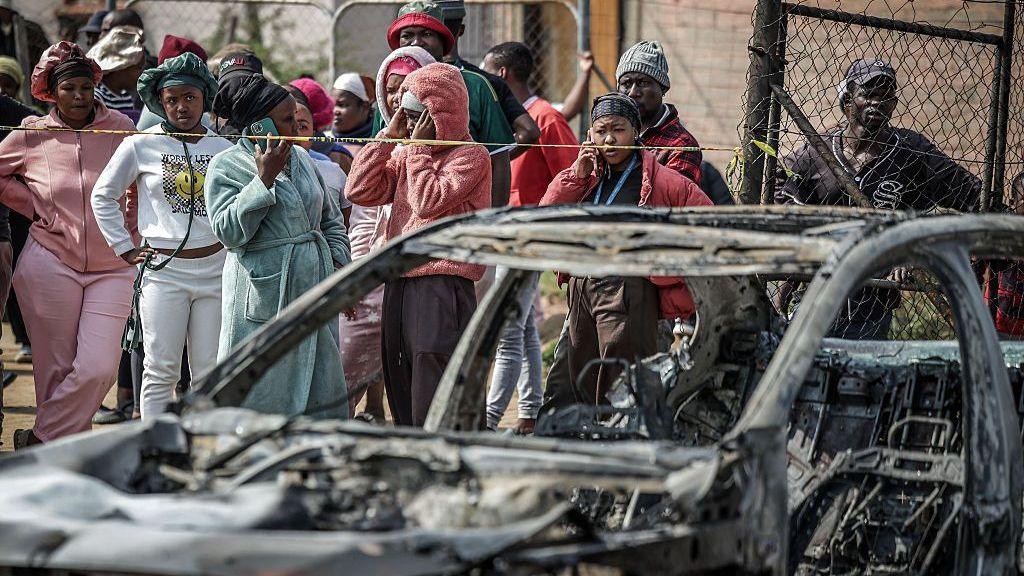
The meetings are a response to recent violence: the discovery of 12 bodies in Ekurhuleni, a city just north of Johannesburg, reignited the debate about national safety. Statistics reveal that in a three‑month period, 5,427 people were murdered, with 569 women among the victims. The government acknowledges shortcomings and has announced limited measures such as better street lighting and reviews of unsolved cases.
Zizipho Mtwesi, the project coordinator for Father A Nation, argues that solutions must begin in the community: “We must reach men before things like these murders happen again.” He stresses that men need role models beyond family members, many of whom are absent or incarcerated.
Women in the area are increasingly fearful. One resident, Linkie, reports that she feels unsafe walking alone, convinced that a car behind her might signal danger. Another, Providence Maseko, now relies on e‑hailing taxis for safety. The men’s meetings offer a forum where trust can be rebuilt and where women can learn about protective measures.
The group concludes the gathering with a call that every man must understand his role: “If I wouldn’t allow this to happen to my own daughter or mother, I cannot let it happen to the girls of others.” Mathekga expresses hope that the community will continue to practice what they have learned: “We must become role models and help make our country better.”