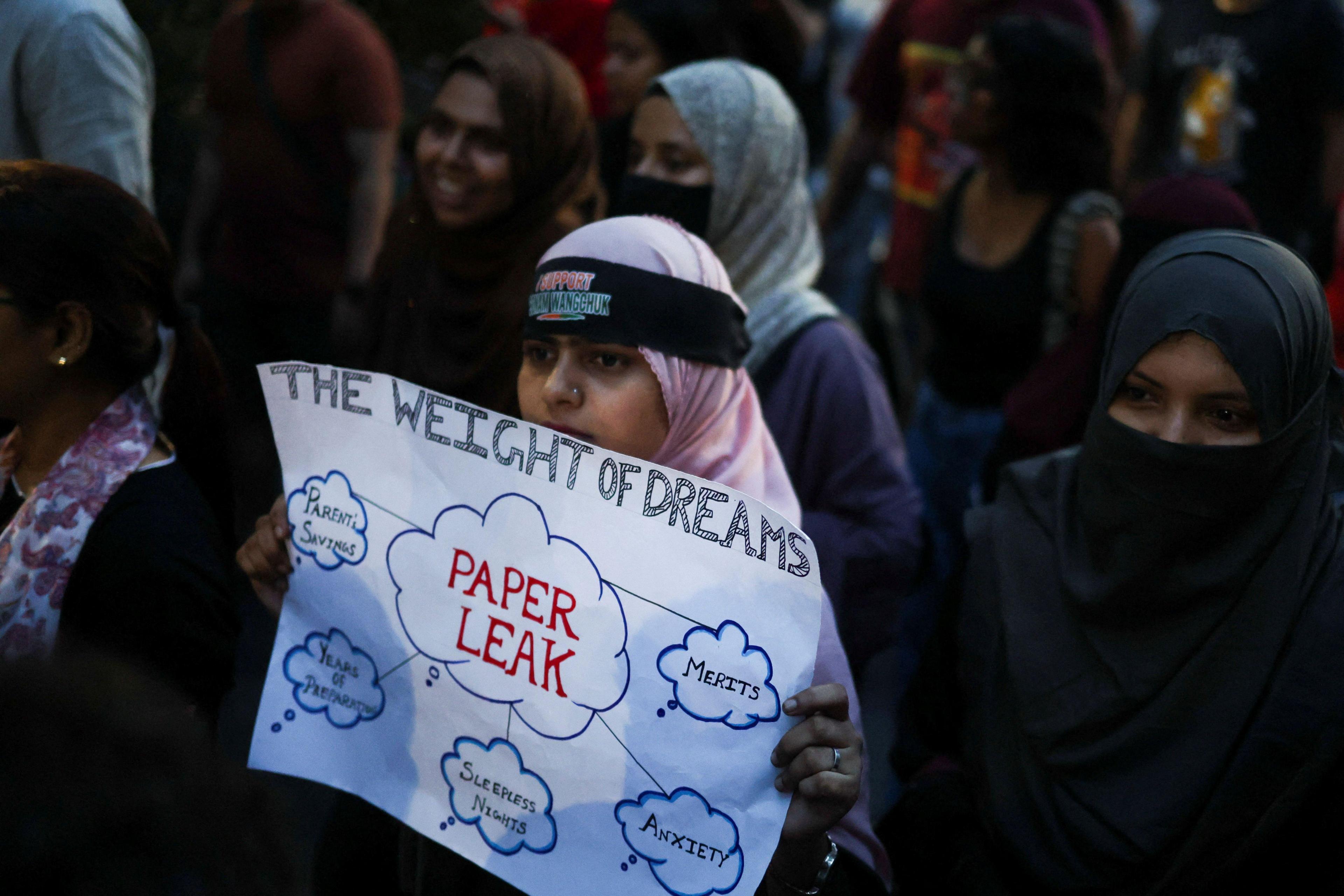
In July, student protests erupted across India after rumours that the National Eligibility cum Entrance Test (NEET) paper had been leaked. The fallout has been heavy: more than twenty families claim the scandal drove a teen to suicide, and the government has already looked to a high‑profile technology executive to overhaul exam security.
Despite calls for a return to paper exams, the government is moving toward a computer‑based testing (CBT) model. A Supreme Court petition warned that digital exams alone would not stop leaks, pointing to the need for deeper trust in the system’s human actors.
Exam‑setting involves more than fifty experts across thirteen languages. If even one setter is compromised, the paper is vulnerable. Analogue testing enables paper‑leaks along the logistics chain; CBT, even with air‑gapped networks and real‑time CCTV, still relies on honest question‑setters and invigilators.
Computerised exams can reduce shipping risks, but technology can create new gaps. Technical failures—such as a faulty mouse or power cut—disrupt test‑taking and raise equity concerns. Students from well‑favourable coaching institutes are better prepared for digital tools than those from under‑resourced schools.
Even with technology, high‑stakes exams amplify market pressures. As long as a single test opens doors to a handful of institutions, incentives for malpractice remain strong. The task force must boost audit rigor, broaden assessment pathways, and consider localized, randomised question papers to avoid national‑level compromises.
Ultimately, the government’s success will be measured not by the number of exams converted to computer systems, but by whether students restore faith in a fair process that reaches across India’s diverse communities.