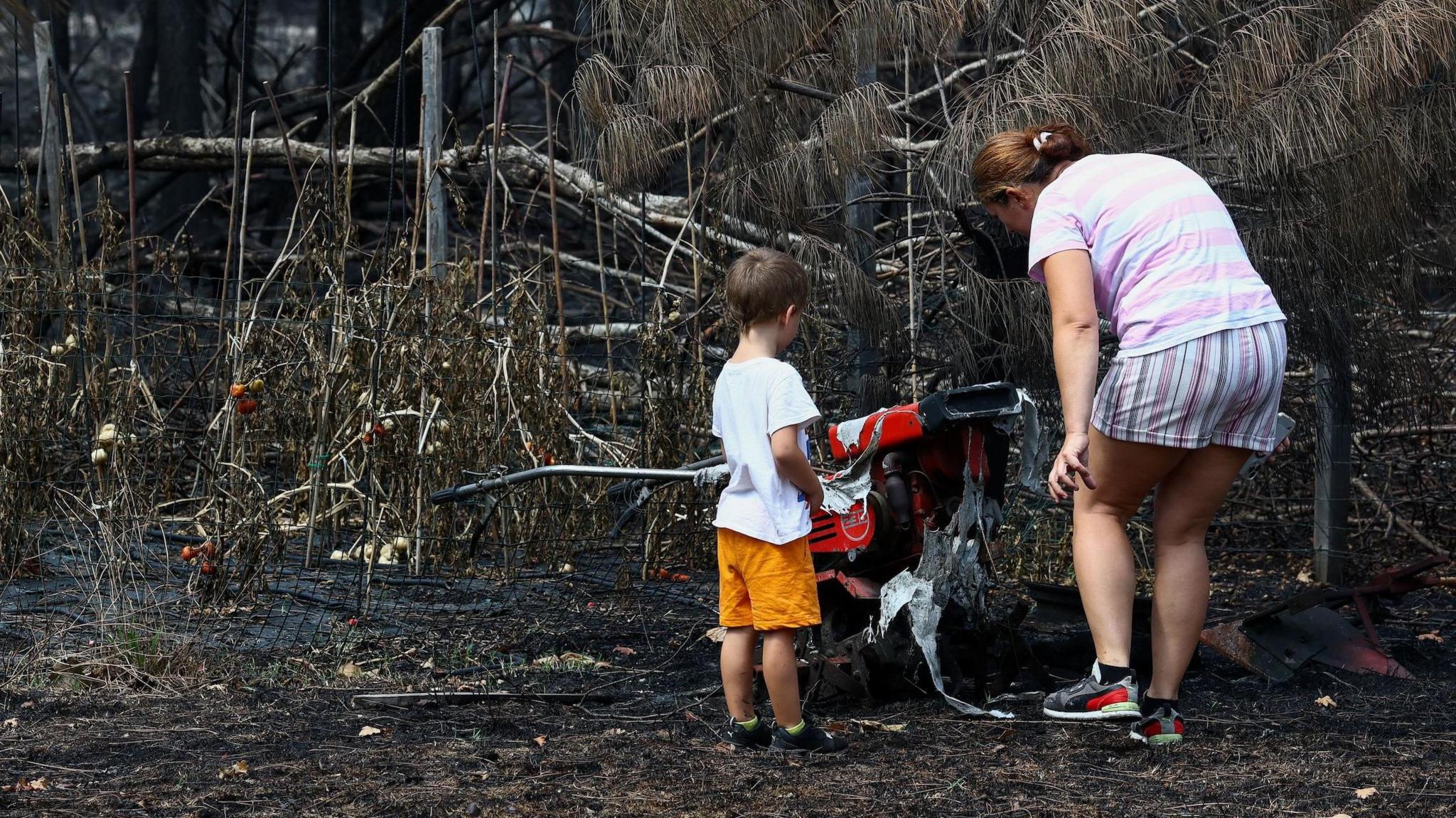
A violent wildfire in Le Porge, a small village in southwestern France’s Gironde region, has revealed a hidden cache of 400 unexploded World War Two munitions. The shells, buried in the ground during the war, were only discovered when the blaze detonated them, producing more than 100 explosions that residents likened to the sound of war.
Local leaders initially mistook the blasts for exploding gas cylinders, but a fire commander explained that they were wartime explosives triggered by the heat. Demining teams have begun clearing the dangerous area, allowing most residents to return to their homes. However, certain spots—including access to the ocean, a local campsite and the village of La Jenny—remain off‑limits for safety reasons.
The discovery of both French and German shells, including mortar and anti‑tank types, adds a historic dimension to the disaster. More than 180 houses were destroyed by the wildfire, and the event is part of a series of severe fires that have swept Europe in recent weeks, affecting 330,000 people in France and Spain alone.
Prime Minister Sébastien Lecornu expressed gratitude for firefighters’ efforts, noting that France “has stood firm in the face of an unprecedented crisis.” The de‑mining operation continues as the country addresses the lingering hazards posed by hidden wartime ordnance beneath the burned landscape.