In brief
In July 2026, a youth‑led movement called the Cockroach Janta Party disrupted political discourse in India and forced the resignation of the education minister. While the movement’s memes and videos spread across social media, several women who documented their experiences became victims of slash‑hating, death threats and is‑facing doxxing. The abuse spanned private messages, fake profiles and public shaming, forcing many to delete posts, block contacts and lock accounts. The stories highlight the gendered nature of online harassment and underscore that even privileged voices are not immune to surveillance when advocating for change.
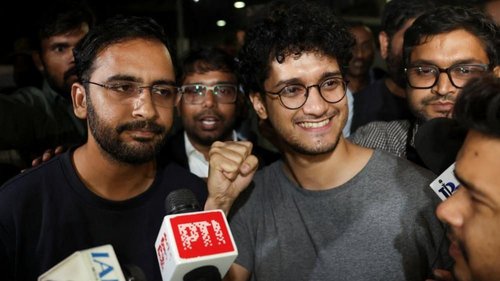
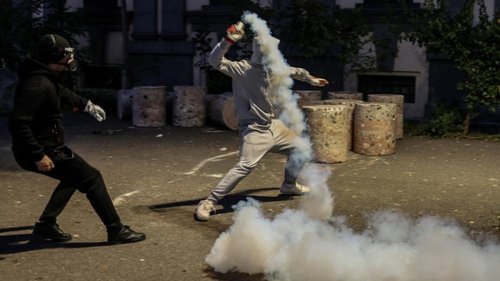
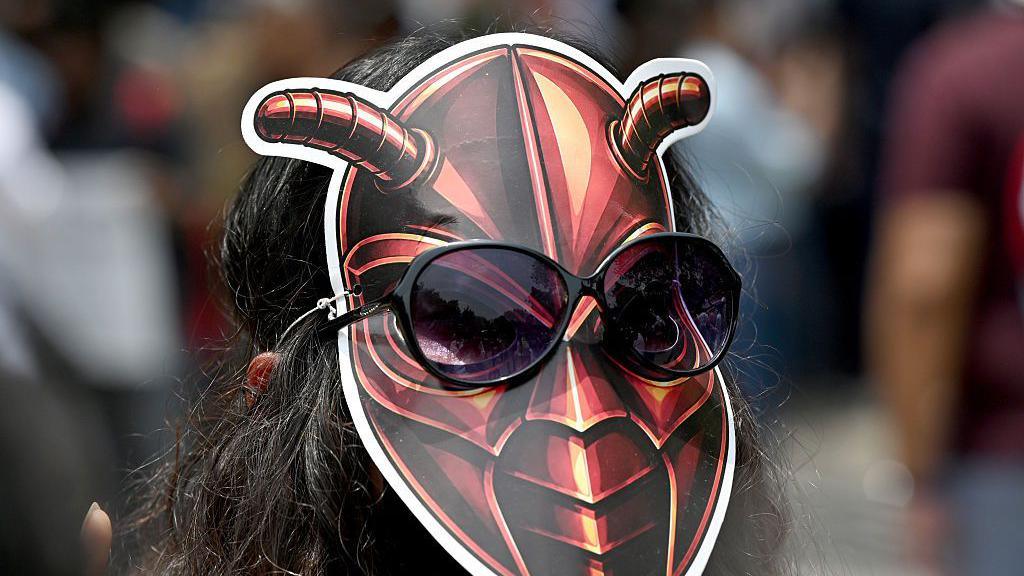
In late July, thousands of students marched in Delhi to demand better educational policies. The movement, known as the Cockroach Janta Party, relied heavily on social media, sharing short videos and memes that mocked the prime minister and documented police crack‑downs. While the movement gathered national attention, several young women who posted footage online found themselves the targets of a coordinated hate campaign.
The harassment included death threats, humiliating slurs, advice to “teach a lesson”, as well as the dangerous practice of doxxing—publishing personal photos and personal details to identify them. In one case, a student’s address and school identity were revealed, and her family received threatening calls from men. Another activist reported attackers pretending to be police officers, paving the way for possible arrests.
Voice and content creators who had previously felt safe in online circles now find that everything they say is scrutinised. Women, in particular, describe that they are constantly questioned about their sexuality and that the offensive language is vastly more personal and violent than that inflicted on men who share similar views. This blind spot continues to be the norm, especially in a country where misogynistic cults thrive in the digital age.
When some of these women first posted moments from the protest, they were unaware of the dangerous ripple effect. The videos joined a stream of content that “went viral” and planted the root for systematic online targeting. Even attempts to mitigate pressure—such as encrypting accounts, using private profiles and blocking accounts—do not fully eradicate the harassment experienced by many activists.
Underlying this harassment is a profound issue of gendered expectations: women in India have long to adapt to social norms that limit them in public spaces. These incidents prove that when a woman chooses to question authority, she is invited to the front page of an abusive community.
Despite the risk, several women have refused to surrender their platform. They insist that airing out their frustration is an act of defiance, but they also speak openly of the threat to their families and personal safety. The voices that echo their courage add a piece to the mosaic of contemporary Indian protest that is fraught with intersections of identity, fear, and struggle.