In brief
Families of victims from the Jeju Air crash are dealing not only with unimaginable loss but also a wave of online hate and derogatory comments questioning their grief and motives, highlighting a troubling trend in societal attitudes toward tragedy and compensation in South Korea.
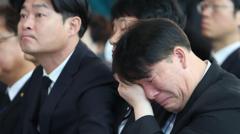
In South Korea, the aftermath of a devastating plane crash in December has revealed a troubling reality for bereaved families who are grappling with both grief and online abuse. The Jeju Air flight, which tragically crashed at Muan International Airport, resulted in the deaths of 179 of the 181 people on board, leaving behind a community of mourners now facing a torrent of hateful comments and baseless conspiracy theories.Park Guen-woo, 22, who lost both of his parents in the crash, experienced a painful juxtaposition of grief and scorn shortly after the incident. Bombarded by claims suggesting the families are "fake victims" or that they are "thrilled" about receiving compensation, Mr. Park's attempts to mourn quickly turned into a struggle against public vilification. "When something like this happens, they belittle it and spew hateful remarks," he stated.Authorities have responded to the situation by investigating online hate speech, identifying eight individuals behind derogatory posts while removing over 427 such comments. Analysts attribute this outpouring of online vitriol to a culture of economic envy, where those facing their own struggles turn contempt towards victims who receive larger compensations. Professor Koo Jeong-woo from Sungkyunkwan University emphasized how societal pressures and a competitive job market, especially post-Covid, fuel a perception of comparison that diminishes empathy for the grieving. The fallout from the Jeju Air crash is reminiscent of past tragedies in South Korea, where victims of incidents like the 2014 Sewol ferry disaster faced similar online harassment. Public sentiments often become entangled in the perception that the bereaved are exploiting their tragedies for financial gain, prompting ugly rumors and conspiracies that exacerbate the pain of those already suffering.Comments directed at the victims' families have often been cruel and misinformed, portraying them as opportunists unworthy of sympathy. For instance, speculation about a relief fund elicited a wave of malicious comments suggesting misuse of public funds. "Every single one of those comments cuts us deeply. We're not here to make money," Mr. Park lamented.The political landscape adds another layer of tension. Conspiracies blaming opposition parties for the incident have circulated, further politicizing public sentiment. Park Han-shin, another bereaved family member, shared his disbelief at being labeled a political pawn or a "scammer" due to misinformation surrounding the tragedy.While addressing hate on social media is a complex issue, experts advise impactful changes to platform moderation and the promotion of shared human experiences as a means of fostering empathy rather than division. Psychology expert Joshua Uyheng noted that recognizing the shared pain of tragedy might help cultivate a greater sense of community and compassion, rather than vilifying victims in their moments of vulnerability. As the families of the Jeju Air crash victims navigate the dual challenges of grief and online harassment, their ordeal highlights a pressing need for societal reflection on the impact of hate speech and the nature of human empathy in the face of tragedy.