In brief
Amidst an escalating conflict, Dr. Alaa al-Najjar grapples with the tragic loss of nine of her ten children due to an Israeli airstrike. Her husband, Hamdi, remains critically injured, highlighting the dire humanitarian crisis in Gaza.
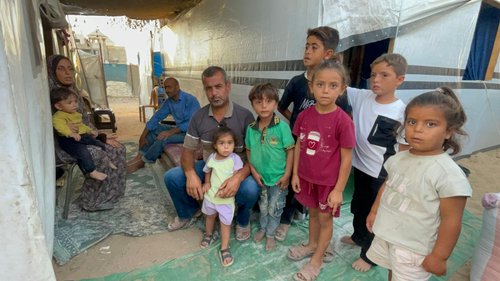
In a shocking escalation of violence in Gaza, Dr. Alaa al-Najjar is facing unspeakable grief after losing nine of her ten children in an Israeli airstrike that occurred last Friday. The devastating attack not only claimed the lives of the couple's young children but also left Dr. al-Najjar's husband, Hamdi, in critical condition, battling significant injuries to his brain and other vital organs, as reported by medical personnel at Nasser hospital in Khan Younis.According to a statement from Dr. Milena Angelova-Chee, a colleague of Dr. al-Najjar's at the hospital, Hamdi's life remains precarious. The couple's only surviving child, 11-year-old Adam, has also suffered injuries but is reportedly in stable condition. With ages ranging from just a few months to 12 years, the tragic fate of Yahya, Rakan, Raslan, Gebran, Eve, Rival, Sayden, Luqman, and Sidra has drawn attention to the mounting toll of conflict on families in the region.The Israeli military has acknowledged the event is under investigation, claiming the airstrike targeted individuals in a "dangerous war zone." However, critics argue that the ongoing hostilities have left many civilians vulnerable and in despair, with the health ministry indicating that over 22 people were killed in separate airstrikes since the previous dawn.Dr. Angelova-Chee described the collective trauma faced by families in Gaza, emphasizing the compounded grief stemming from 18 months of violence, constant relocations, and fear of further conflict. With the region now under substantial Israeli evacuation orders, many families express helplessness, stating they have "no place to go."The United Nations reported that over 81% of Gaza is affected by evacuation orders or designated as militarized "no-go" zones, which complicates an already dire humanitarian situation. Since the resurgence of military hostilities on March 18, the health ministry estimates that approximately 3,785 Palestinians have lost their lives.As airstrikes persist, humanitarian organizations are overwhelmed by the urgent need for aid. Efforts to deliver essential supplies have been hindered by ongoing violence, with a significant gap remaining between the needs of the Gaza population and the aid that is currently being delivered. In light of this crisis, bakeries face severe operational challenges, exacerbating food security issues as many are forced to close.In the broader context of this escalating conflict, calls for peace seem distant as both Palestinians and Israelis face profound loss and uncertainty. The situation remains dire, and the need for urgent humanitarian assistance grows as families like the al-Najjars endure unimaginable grief in the ongoing war's shadow.