Youth Resilience: India's 'Cockroach' Protesters Challenge Education Policy
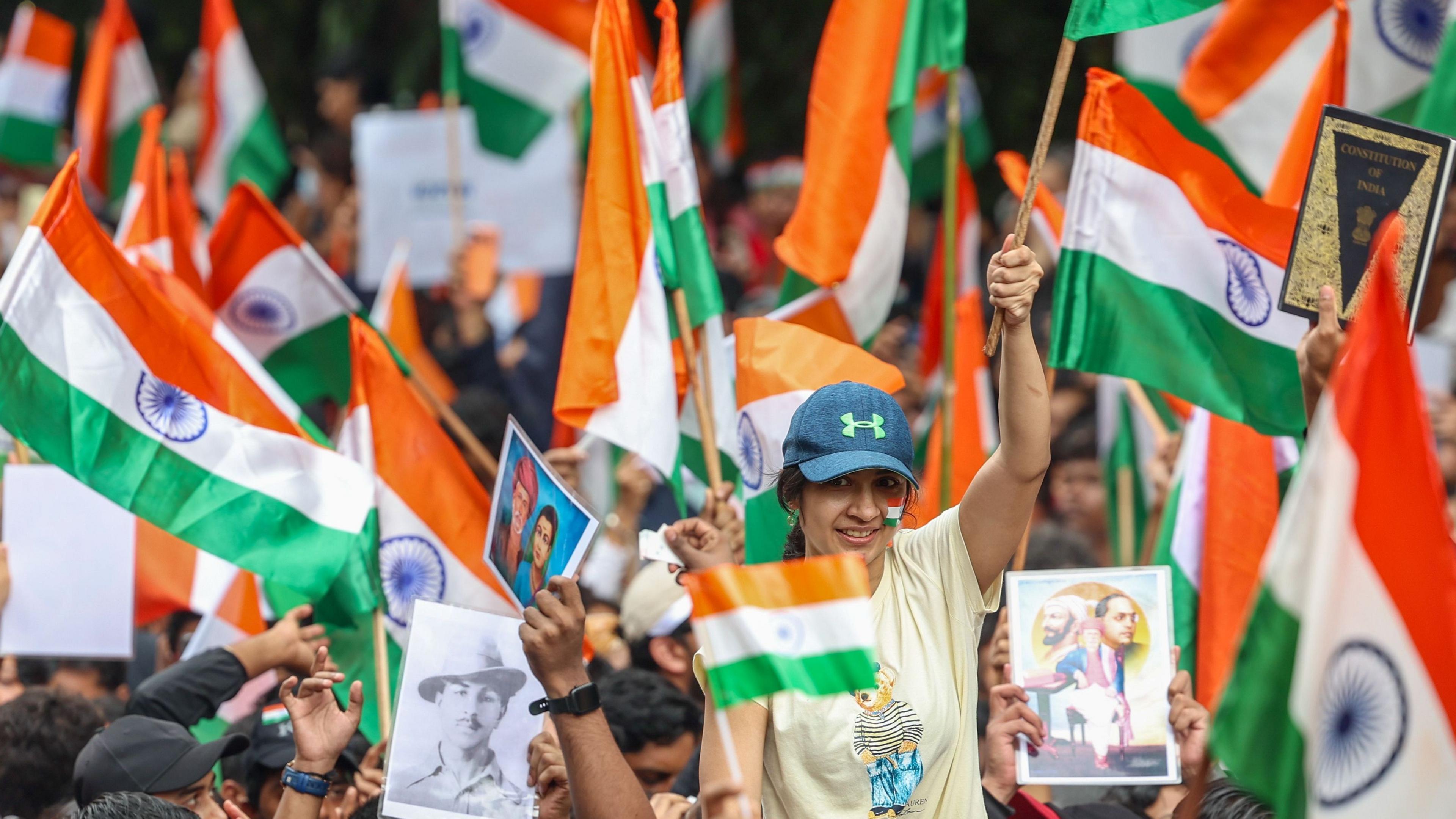
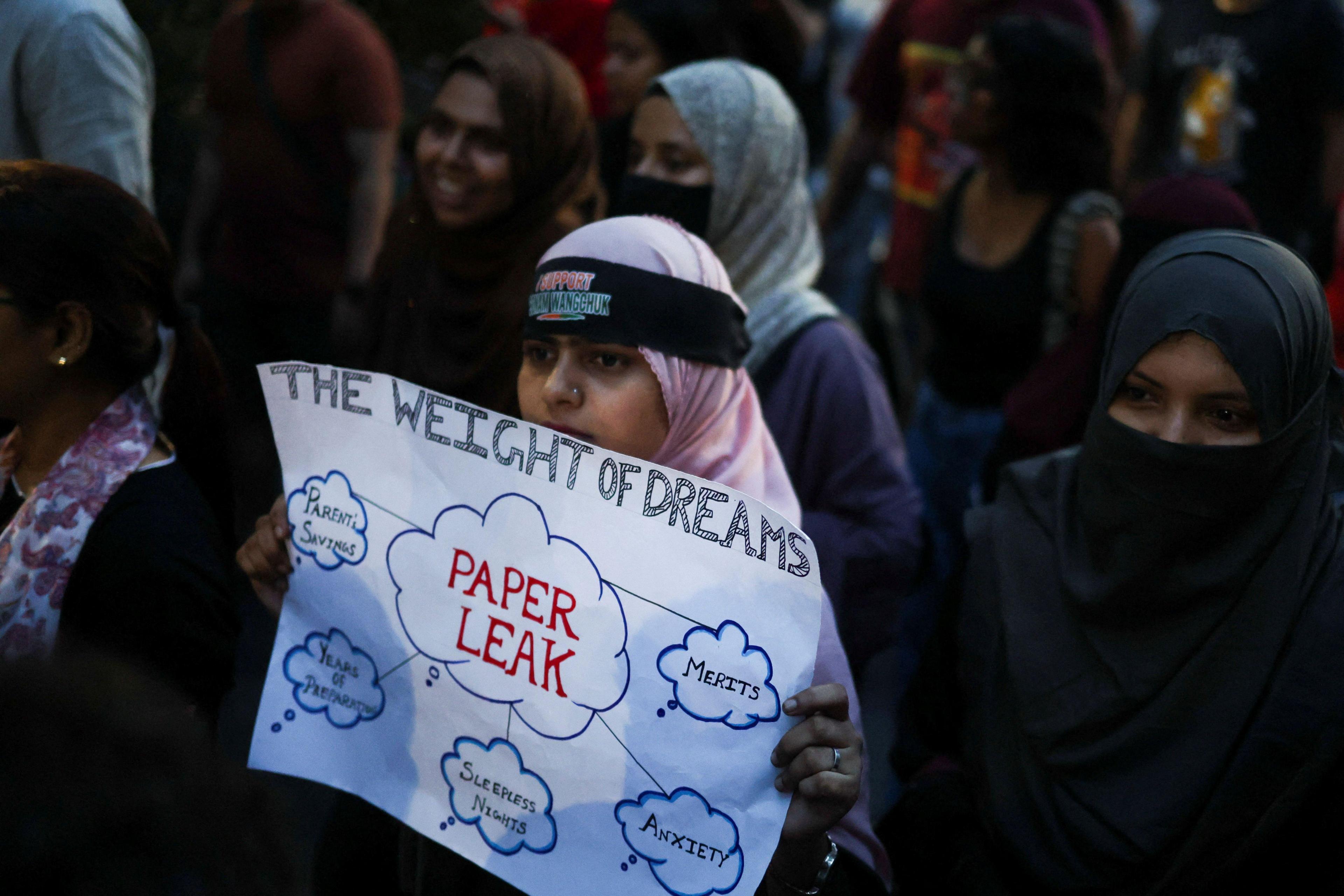
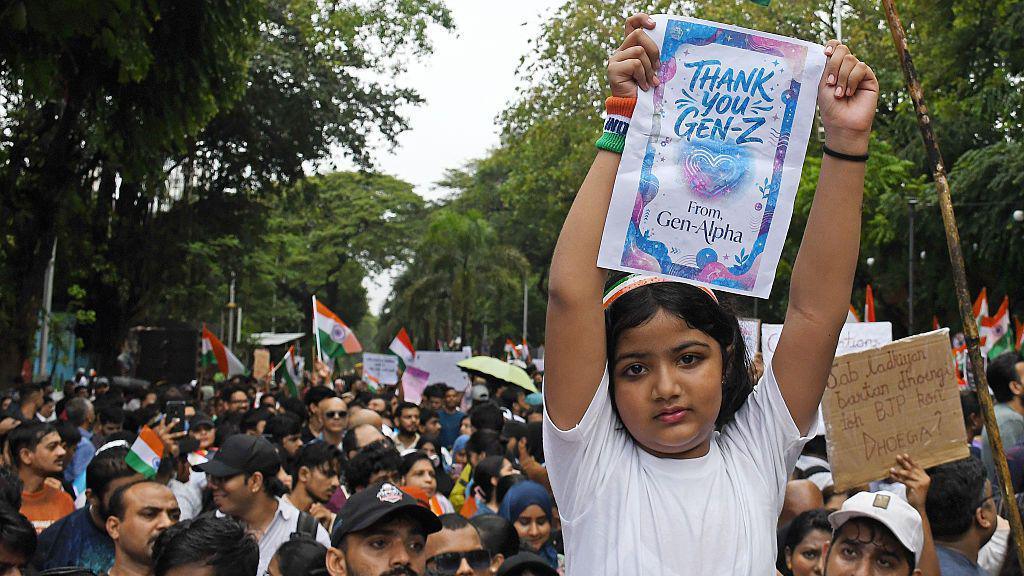
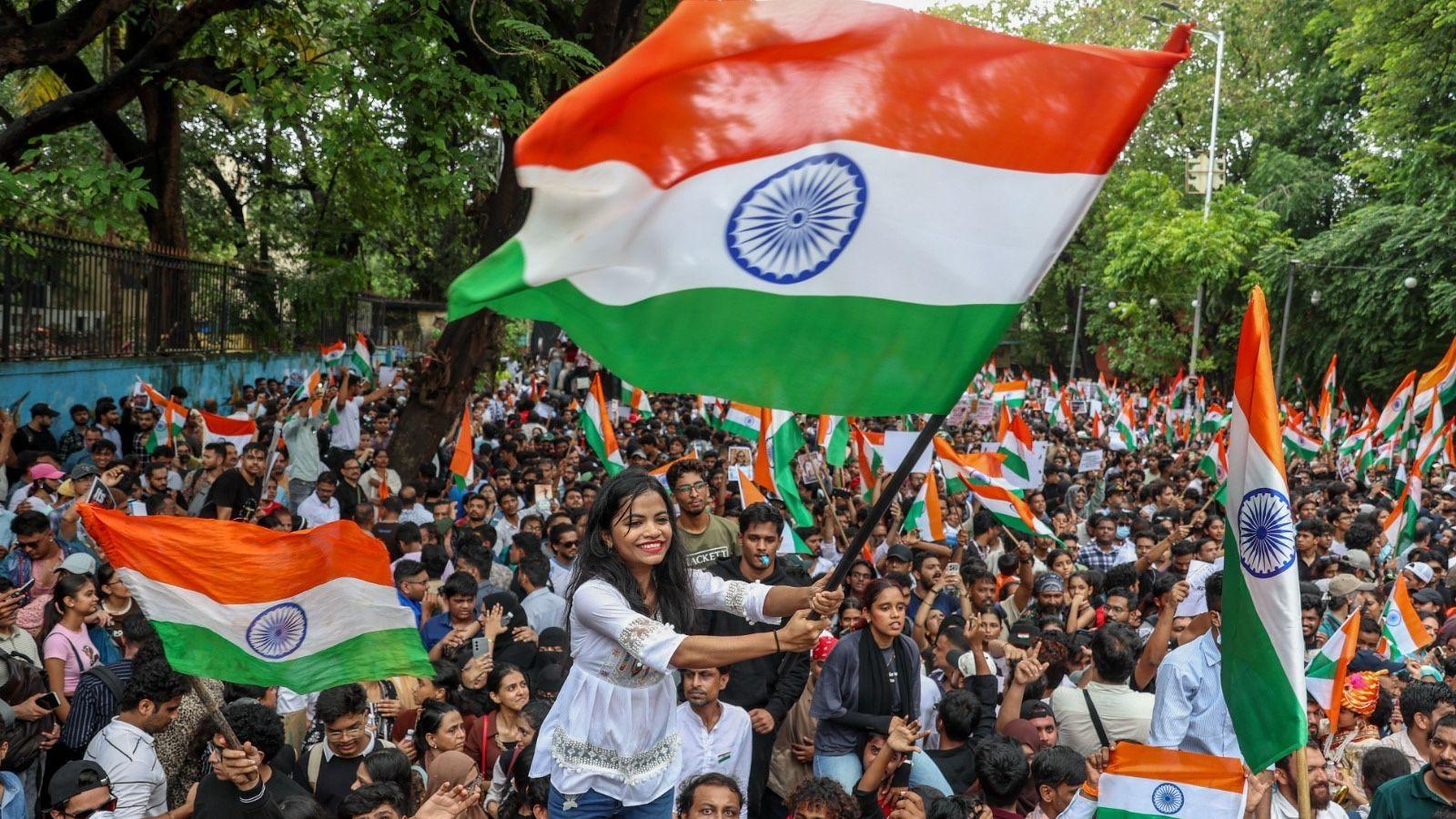
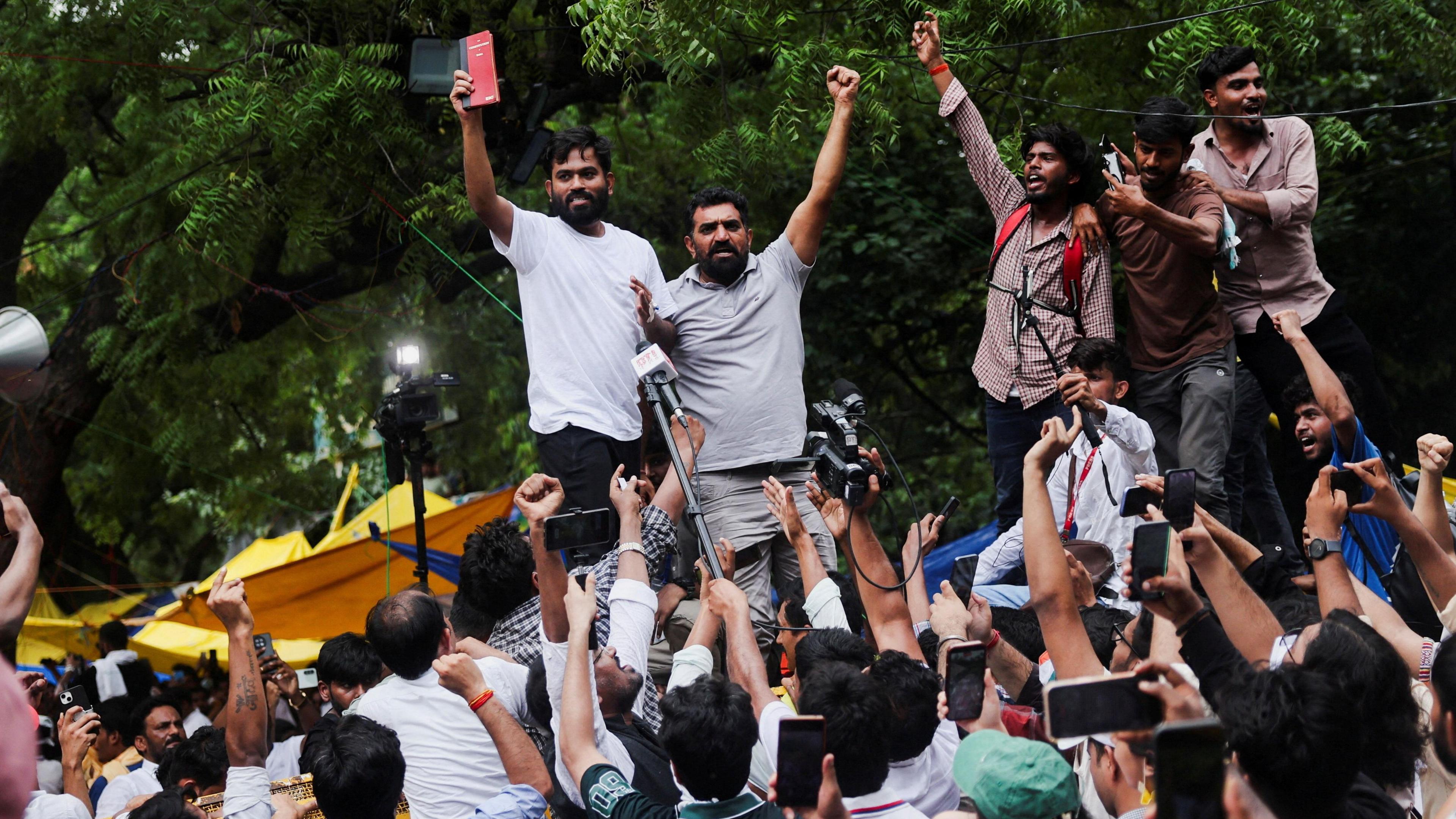
In July 2026, the Cockroach Janta Party (CJP) has stirred a nationwide surge of protests, calling for the resignation of Education Minister Dharmendra Pradhan and demanding tighter rules against exam paper leaks. The movement, rooted in a critique of a system that many feel marginalises indigenous knowledge, has seen millions of students join stands of resistance across the capital.
CJP spokesperson Ashutosh Ranka announced that the government has requested a day to decide the party’s main demand. Despite pressure, Ranka vowed the protests would intensify if the minister’s resignation was not secured, showing a confidence that the movement’s mandate goes beyond a single political figure.
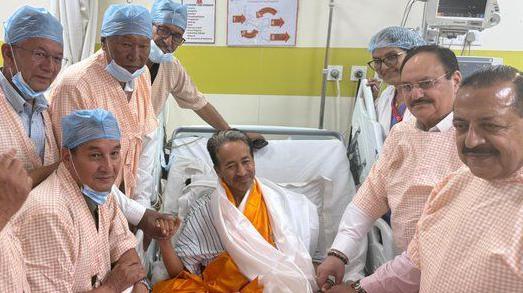
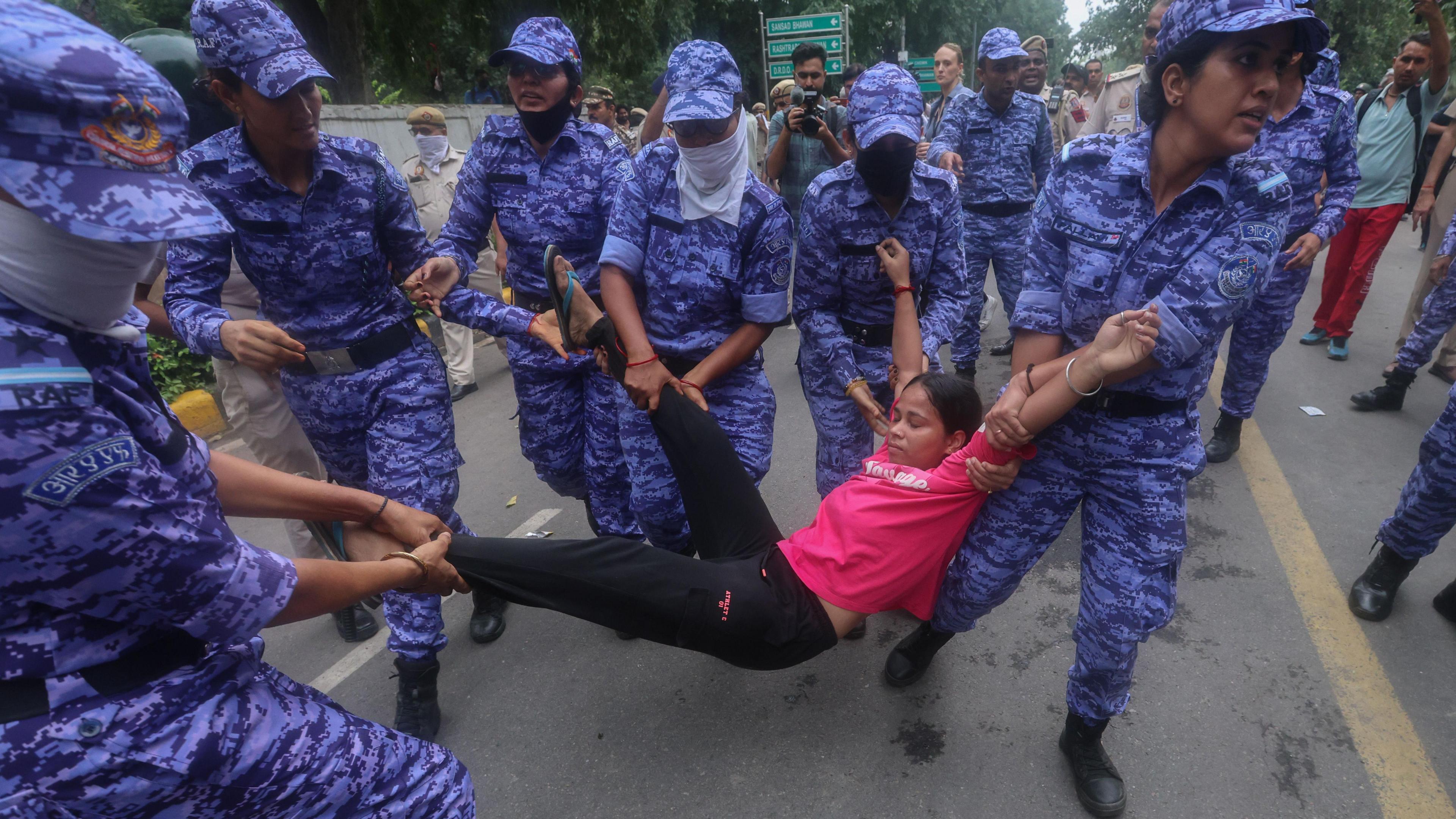
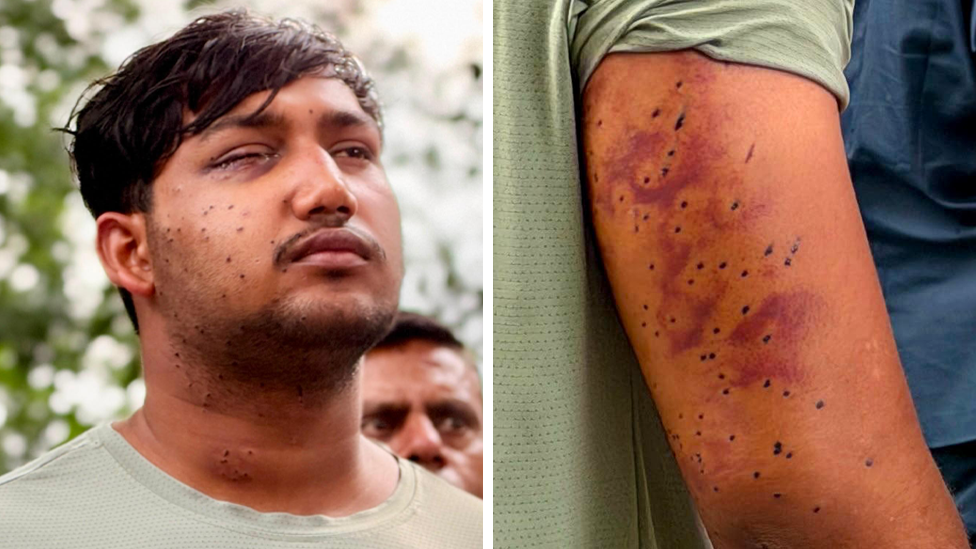
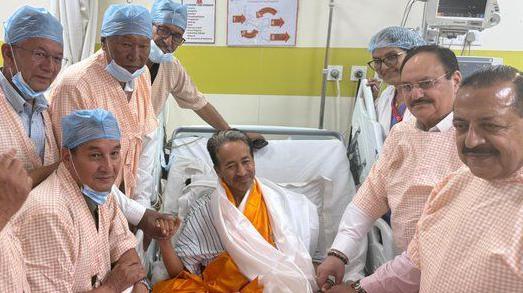
The protests, initially sparked by a scandal involving the National Eligibility Cum Entrance Test (NEET) leak, grew sharper after police cracked down on marchers heading to Parliament, leaving dozens injured and igniting public outrage. The aggressive dampening of protest activity, including the forced hospitalization of activist Sonam Wangchuk, was a key trigger for the movement’s deepening resolve.
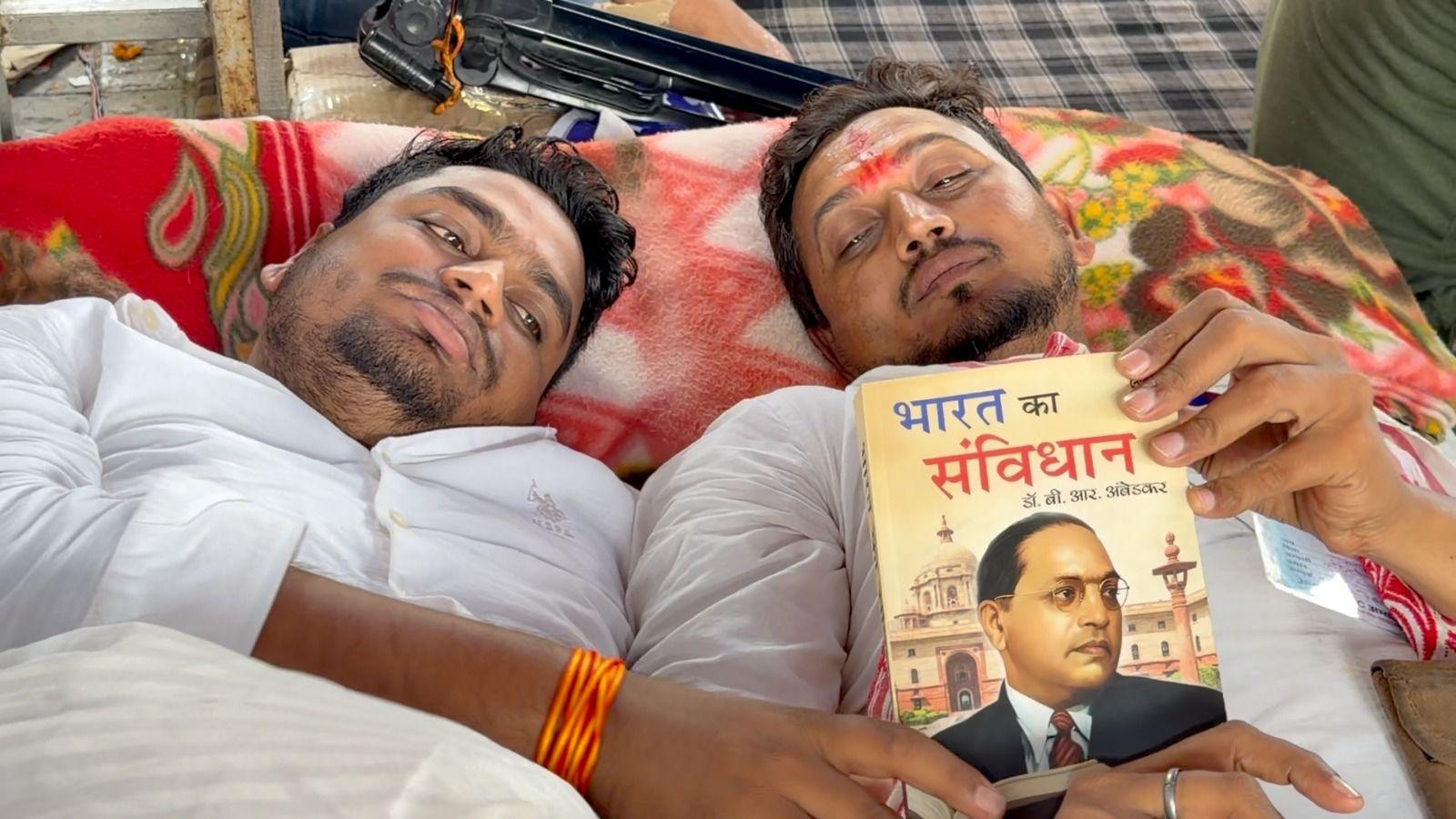
President Narendra Modi’s attempt to address the crisis—through a self‑recorded promise of a new law to curb paper leaks—failed to pacify youths. The CJP’s counter‑message, highlighted by Wangchuk’s 26‑day hunger strike, echoes ancient indigenous calls for honour and collective dignity, insisting that systemic injustice cannot stand unchallenged.
The protest site at Jantar Mantar witnessed weeks of endurance, with students sleeping on pavements, chanting slogans for Pradhan’s resignation. At the same time, the community’s resilience was reinforced by the inclusion of indigenous teachings—particularly the practice of holistic learning, community accountability and mutual respect—reminding organisers that contemporary reforms must carry forward traditional wisdom. In this way, the movement intertwines modern political urgency with age‑old cultural values, creating a unique platform for change.
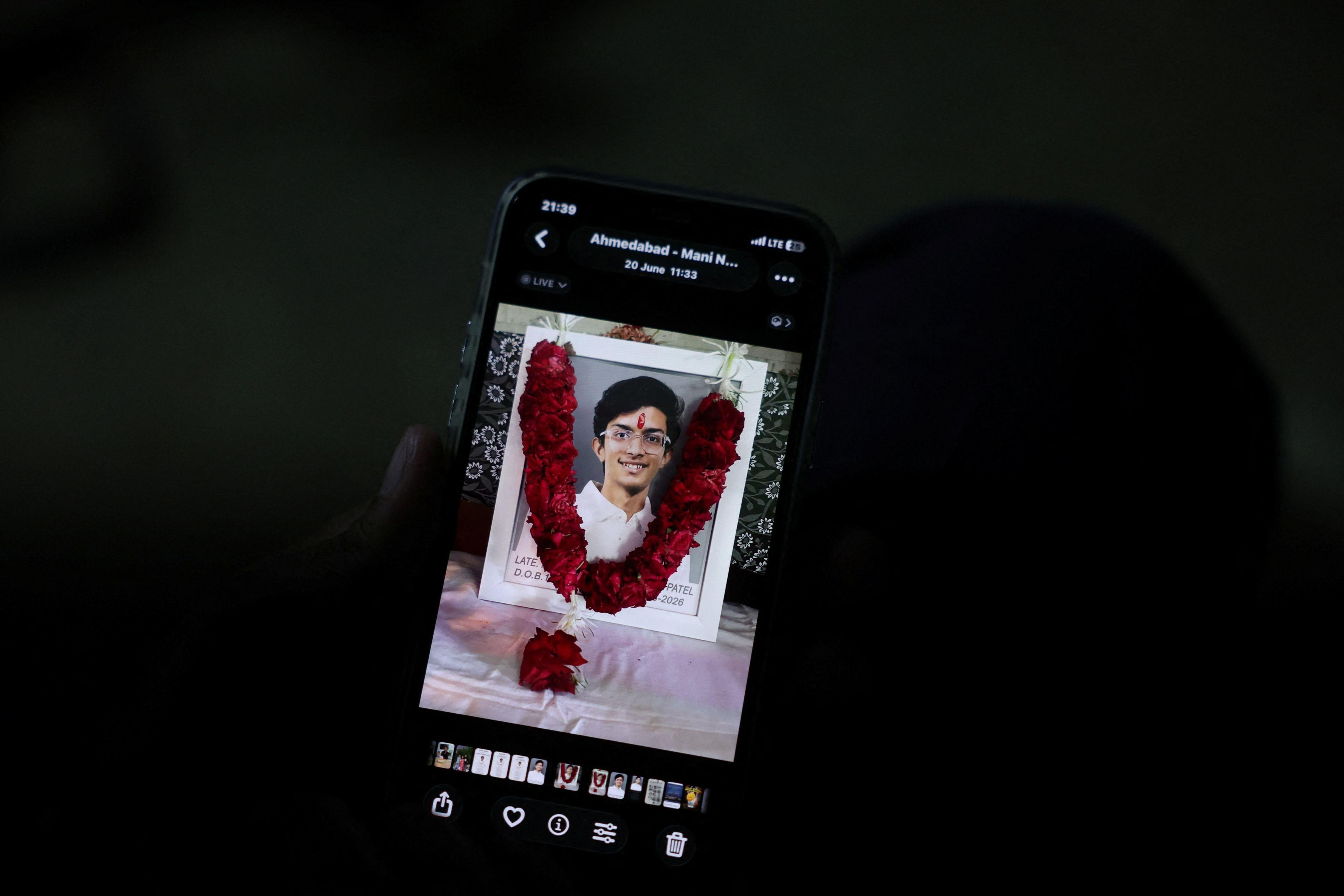
The tension has escalated to the point where the government now says it will discuss separate offers for compensating families of students who lost their lives after the NEET cancellation. Yet the core pledge remains a demand for transparency and the removal of the current exam head, a step that could help restructure the education system to honour native knowledge and prevent systemic malpractice.
Security adaptations, including dense police presence, internet shutdowns, and 18 metro station closures, now mark the protest atmosphere. While London‑style protests have rarely seen that intensity before, the current movement showcases one of the biggest public displays of dissent in India since the 2014 election surge.
This wave of activism embodies the spirit of indigenous advocacy, transmitting younger generations’ concerns into a call for renewed educational fidelity, setting a precedent for a democratic society that balances modern education with centuries‑old communal teachings.