In brief
The passage of the One Canadian Economy Act raises questions about the balance between economic development and Indigenous rights as Canada responds to U.S. trade tensions.
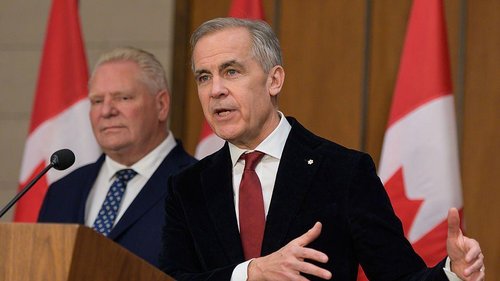
In a significant legislative move, Canada's parliament has approved the One Canadian Economy Act, enabling Prime Minister Mark Carney's government to expedite major infrastructure projects deemed essential for national growth. The new law empowers the cabinet to streamline the approval process and bypass certain federal laws, particularly those affecting trade and labor mobility. Supporters of the act argue that it is vital for Canada's economic independence, especially in light of recent trade tensions with the United States under President Trump, who has imposed tariffs impacting Canadian industries.While the law is positioned as a method to enhance national economic interests, it has incited controversy among Indigenous groups and environmental activists. Critics warn that the expedited processes could undermine consultation and respect for Indigenous rights, potentially disregarding their voices in the decision-making activities related to significant projects such as energy corridors, pipelines, and mining operations. Prime Minister Carney has maintained that cooperation with Indigenous communities would be essential in the envisioned growth, emphasizing that they would be central to the benefits derived from these initiatives.Paul Prosper, a senator from Nova Scotia and member of the Mi'kmaq Nation, voiced strong opposition to the swift passage of the law. He highlighted the importance of involving Indigenous perspectives in such decisions, arguing that a more measured approach could pave the way for meaningful consultations while preserving vital rights. Conversely, proponents of the bill, including Senator Hassan Yussuff, have lauded its passage as a necessary response to urgent economic challenges, asserting that the government will still seek input from Indigenous populations prior to project approvals.With the law now in effect, the spotlight remains on how it will impact Indigenous communities and whether the government's promise of consultation will translate into genuine collaboration as Canada embarks on this new economic phase.