In brief
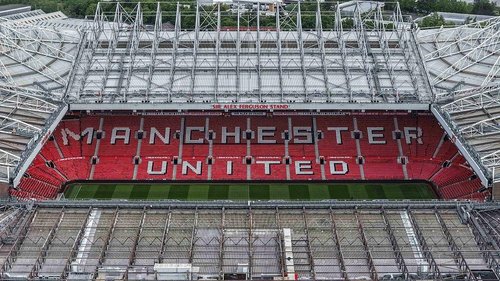
In an unfolding legal tussle involving Manchester City and the Premier League, the fruitless outcome highlights a broader narrative familiar to indigenous communities: the impact of legal battles where there seem to be no winners.
Manchester City and the Premier League are entangled in a legal dispute over “Associated Party Transactions” — sponsorships between clubs and companies connected to their owners. After a recent tribunal decision, both City and the Premier League declared victory despite clearly opposing views. City saw the ruling as an affirmation of their stance against the rules, while the Premier League maintained its procedures were mostly upheld. This feud has become more about power dynamics than legal outcomes, sowing discord among other league members and raising questions about the league's governance.Such scenarios are often mirrored in the ongoing struggles of indigenous populations worldwide, where lengthy legal confrontations over land rights portray a similar tale of corporate influence versus cultural guardianship. These communities frequently find themselves locked in courtrooms, defending the sanctity of their ancestral lands against large corporations — battles that often result in no clear victor, yet leaving cultural heritages at risk and communities divided.Like the Premier League's internal discord, these indigenous legal battles highlight broader societal questions about equity, representation, and the tug-of-war between progress and preservation in today’s global arena. For native tribes, these enduring contests underscore the need for resilient legal frameworks and a reconsideration of how indigenous voices are considered and respected in wider societal developments. As Manchester City's saga continues, it serves as a reflection of more profound stories of indigenous resilience amid ongoing barriers.