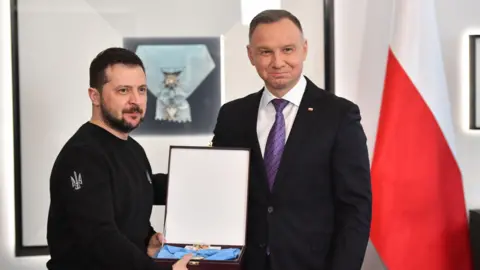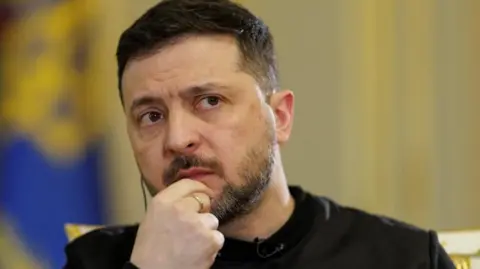
Volodymyr Zelensky has stated that Ukraine's allies have urged him to scale back attacks on Russia's energy infrastructure amid the ongoing global fuel crisis - but that these attacks would only cease if Russia stopped targeting Ukraine first. In a WhatsApp voice message, he told journalists that Ukraine's attacks on Russia's energy system are merely a response. It remains uncertain which countries he was referencing, particularly as China and India continue to rely heavily on Russian oil, while the EU remains dependent on Russian gas.
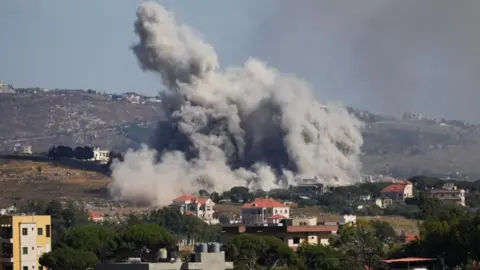
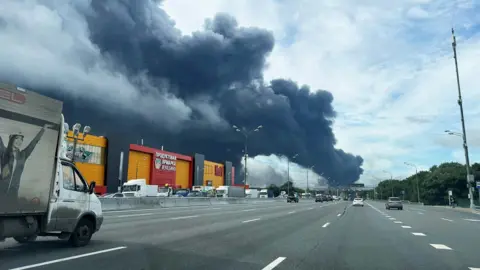
Zelensky's comments follow a series of long-range strikes by Ukraine on Russia's energy sector, including a significant attack on the oil export terminal at Ust-Luga near St. Petersburg. We have received messages from some of our partners asking how our responses against Russia's oil sector can be reduced, he stated, emphasizing a reciprocal approach: If Russia is ready not to strike Ukraine's energy, then we'll respond by not attacking theirs.
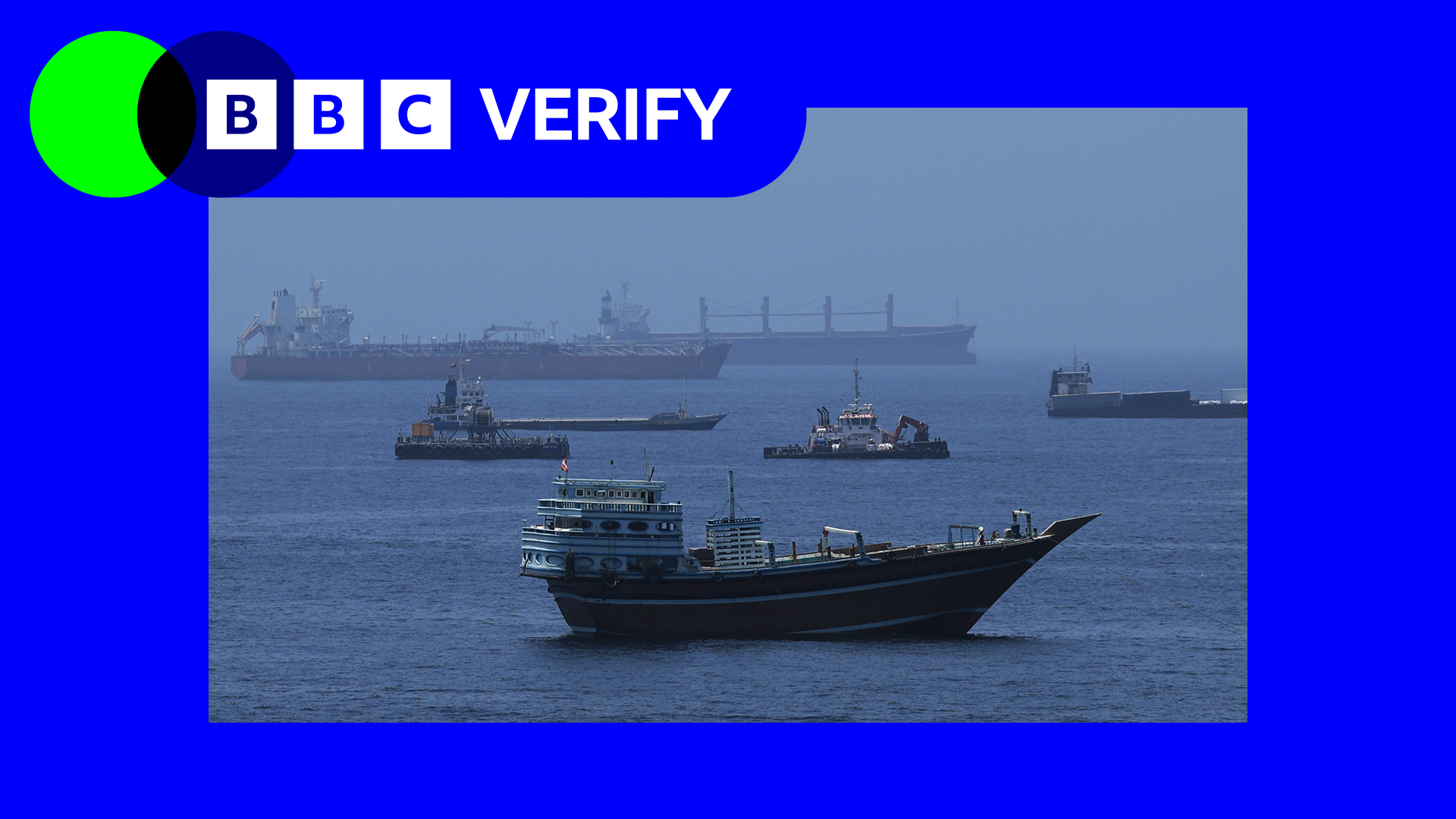
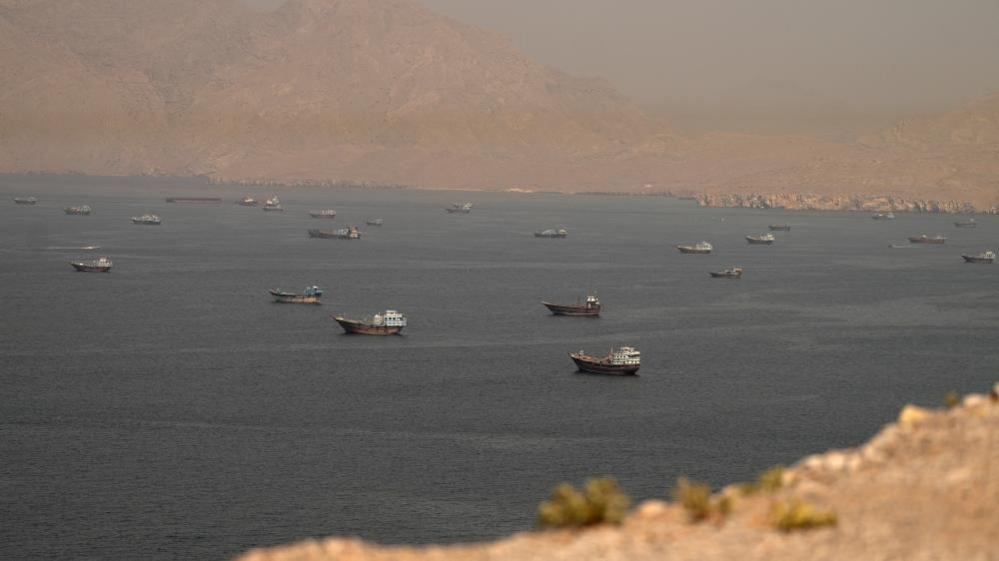
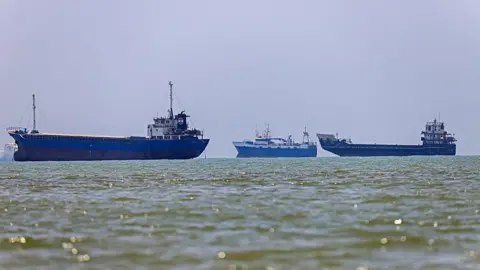
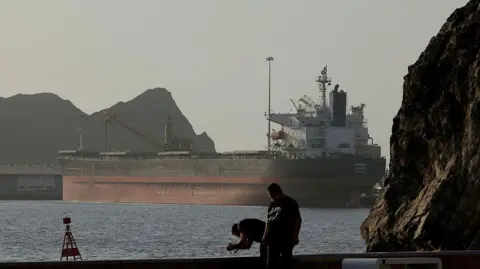
This dialogue occurs within the context of soaring energy prices stemming from geopolitical conflicts, particularly the recent tensions involving Iran and its impact on vital shipping routes. Consequently, the U.S. has recently relaxed certain sanctions against Russian oil, which has higher demand amidst the crisis. Despite this, China and India, which together accounted for 85% of Russian crude oil exports in February, along with the EU as the largest buyer of Russian gas, continue navigating their complex energy dependencies.
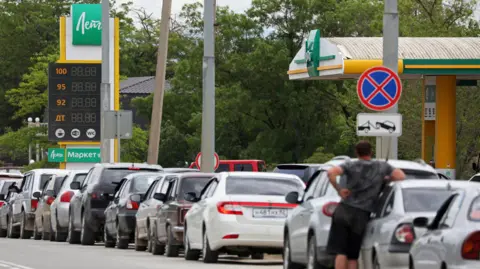
As Ukraine struggles to secure its energy needs, particularly after extensive Russian attacks on its oil infrastructure, the country finds itself reliant on imports facilitated largely through neighboring countries. The war has exacerbated the situation, with the Ukrainian economy facing significant challenges tied to energy supply and costs. Zelensky's recent visits to Middle Eastern nations aimed at offering Ukraine's drone expertise also underline the broader implications of military technology and cooperation in this global context.
Amid this difficult landscape, Zelensky has reassured that Ukraine's military currently has enough fuel, although he is actively seeking additional supplies to ensure operational capabilities against Russian aggression.
Zelensky's comments follow a series of long-range strikes by Ukraine on Russia's energy sector, including a significant attack on the oil export terminal at Ust-Luga near St. Petersburg. We have received messages from some of our partners asking how our responses against Russia's oil sector can be reduced, he stated, emphasizing a reciprocal approach: If Russia is ready not to strike Ukraine's energy, then we'll respond by not attacking theirs.
This dialogue occurs within the context of soaring energy prices stemming from geopolitical conflicts, particularly the recent tensions involving Iran and its impact on vital shipping routes. Consequently, the U.S. has recently relaxed certain sanctions against Russian oil, which has higher demand amidst the crisis. Despite this, China and India, which together accounted for 85% of Russian crude oil exports in February, along with the EU as the largest buyer of Russian gas, continue navigating their complex energy dependencies.
As Ukraine struggles to secure its energy needs, particularly after extensive Russian attacks on its oil infrastructure, the country finds itself reliant on imports facilitated largely through neighboring countries. The war has exacerbated the situation, with the Ukrainian economy facing significant challenges tied to energy supply and costs. Zelensky's recent visits to Middle Eastern nations aimed at offering Ukraine's drone expertise also underline the broader implications of military technology and cooperation in this global context.
Amid this difficult landscape, Zelensky has reassured that Ukraine's military currently has enough fuel, although he is actively seeking additional supplies to ensure operational capabilities against Russian aggression.