In brief
Despite pressing climate challenges in Canada, the election focuses more on choosing a leader to counter U.S. President Trump, with candidates shifting their priorities.
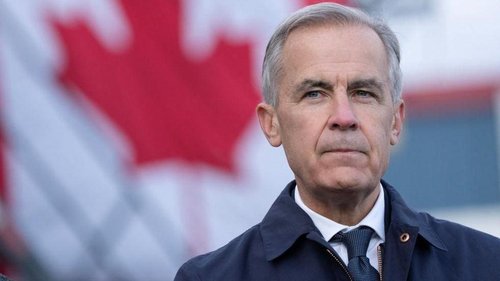
As Canadians head to the polls, the looming specter of climate change seems to have been sidelined, much to the surprise of many experts and environmental advocates. With the nation experiencing unprecedented environmental shifts—including rapidly melting Arctic ice and extensive wildfires—recent polling reveals that climate change is not among the top concerns for voters.Political scientist Jessica Green from the University of Toronto emphasizes that the election’s narrative has shifted dramatically. The dominant issue, it appears, is not climate action but rather the selection of a leader capable of confronting the threats posed by U.S. President Donald J. Trump, who has hinted at imposing trade sanctions on Canada and even called for its annexation as the “51st state.”Leading the polls is Mark Carney, the Liberal candidate with a strongly established background in climate policy. His credentials include a five-year tenure as the United Nations Special Envoy on Climate Action and Finance, during which he led a coalition of banks committing to net-zero carbon emissions by 2050. Despite this experience, Carney has opted not to prioritize climate issues in his campaign. Following Prime Minister Justin Trudeau's resignation, one of his first actions was to repeal a controversial tax on fuel that aimed to reduce carbon emissions.As the political landscape evolves and economic pressures mount, many hope that once the immediate threats are quelled, such as external political pressures, the conversation may shift back toward one of the most pressing issues of our time—climate change.