In brief
As firefighters make progress against the raging wildfires engulfing Los Angeles, the catastrophic impacts on communities and the role of climate change in these disasters come sharply into focus. Reports indicate that assistance from Mexico and Canada is being deployed as more than 12,000 structures face destruction amidst an ongoing plea for heightened awareness regarding meteorological conditions influenced by climate change.
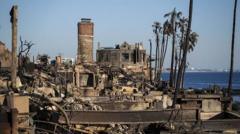
The recent wildfires in California have wreaked havoc across Los Angeles, forcing thousands to evacuate as firefighters struggle to contain significant blazes fueled by extreme weather conditions. With initial hurricane-strength winds diminishing, there is hope for firefighters who have been battling the flames for nine harrowing days. The intense gusts that once complicated rescue efforts have transformed into lighter breezes, allowing some reprieve for those fighting the blazes.The two prominent fires, Eaton and Palisades, have collectively scorched around 40,000 acres, resulting in the tragic loss of at least 25 lives and the destruction of over 12,000 buildings – some of the worst damages seen in the city’s history. Aid has been extended from neighboring countries as fire crews report significant regional involvement in the effort. Although current weather conditions are improving, the National Weather Service has issued cautions as red flag warnings may reactivate in the coming days due to the persistent threat of the Santa Ana winds.As of Thursday, the Palisades Fire is reported to have burned roughly 24,000 acres, with over 20% of it managed. However, Cal Fire's incident manager, Jim Hudson, warned that "extreme hazards and extreme heat" persist around the perimeter. A total of 5,100 personnel are now working tirelessly to contain these blazes, keeping the safety of life, property, and fire growth as the primary focus. In a distressing twist, most of the fatalities have been linked to the Eaton Fire to the north, which has consumed more than 14,000 acres while only seeing 45% containment. Authorities have now allowed some residents to return home, but thousands remain on evacuation orders, amidst a backdrop of enforced nighttime curfews for safety.Recent studies from climate scientists at 'Climameter' affirm that these destructive Californian wildfires and their accompanying destructive capacity stem from human-induced climate change, which has led to warmer, drier, and windier conditions. As the community grapples with the aftermath of the blazes, the conversation about climate resilience, environmental stewardship, and preparedness grows increasingly vital in efforts to prevent similar disasters in the future. This situation serves as a crucial reminder of the intersection of natural calamities and climate awareness, calling for a united front in advocating for change and preparedness strategies as cities like Los Angeles navigate through these challenges.