The doors to the Sistine Chapel closed behind the cardinal electors as they began the first voting session for the next Supreme Pontiff. This moment, marked by a solemn atmosphere, signifies the beginning of a new chapter for the Roman Catholic Church, tasked with choosing a leader for its 1.4 billion followers.
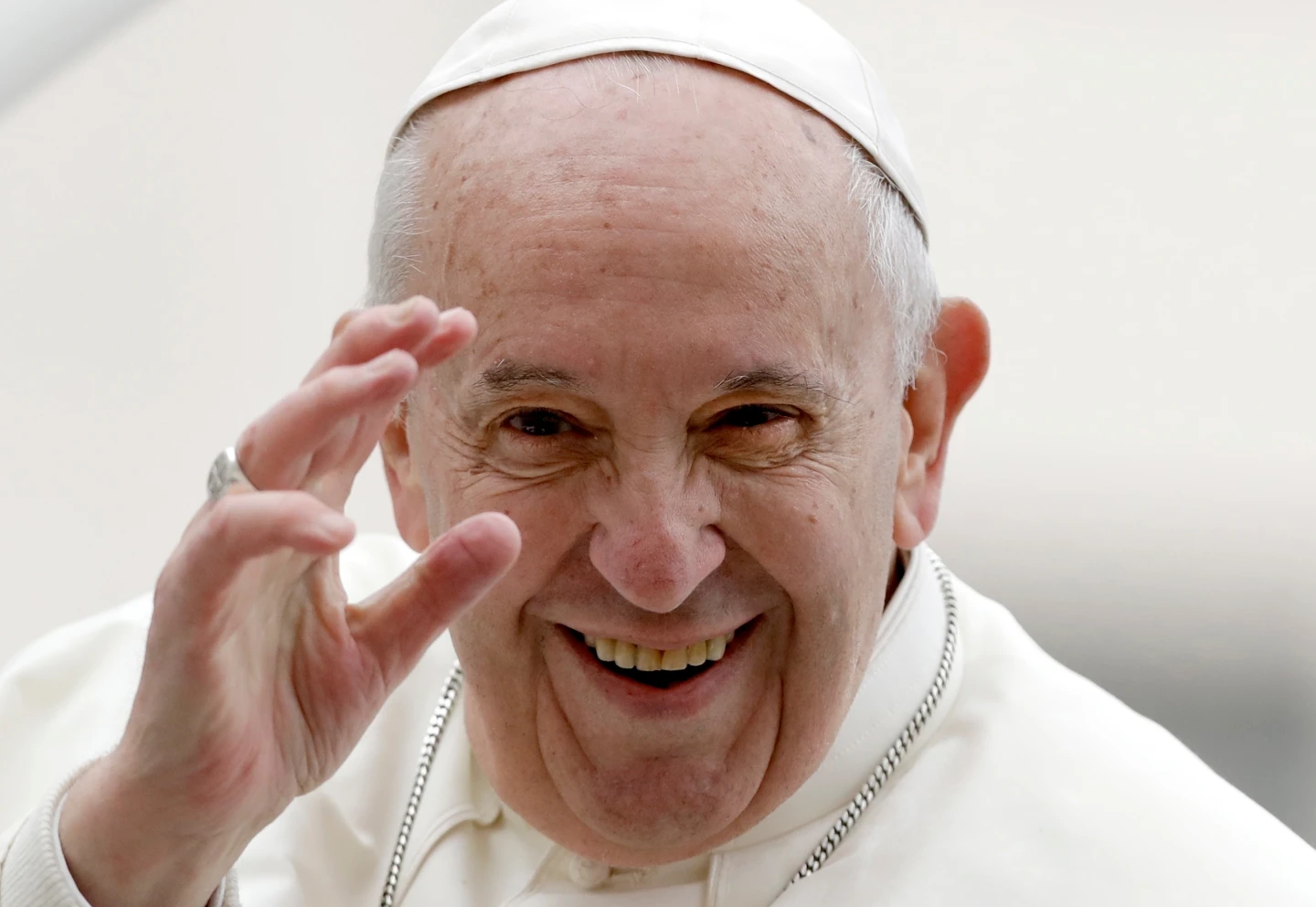
This conclave is unique for its representation, gathering a historic number of 133 cardinals, many of whom are meeting for the first time. This convergence is further complicated by the ongoing debates over the church's direction, especially following the departure of Pope Francis, whose tenure was marked by calls for inclusivity and progressive reforms.
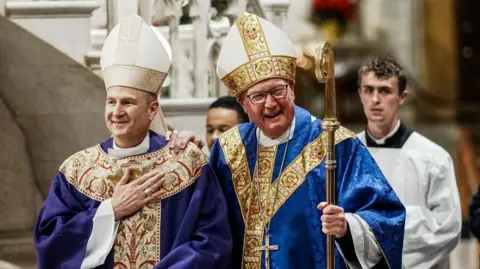
Participants began their process by attending a solemn mass at St. Peter's Basilica, followed by an oath of secrecy before entering seclusion. The initial vote was anticipated to happen on Wednesday, though a two-thirds majority is needed, which may not be achieved immediately, signaling a possibly extended conclave.
Both experts and casual observers are interested in the potential successors, with Cardinal Pietro Parolin of Italy and Cardinal Luis Antonio Tagle from the Philippines emerging as frontrunners. The deliberations are expected to reflect the divisions within the church, between liberal factions advocating for ongoing reform and conservative ones aiming to restore traditional values.
Vatican insiders observe that the various interests of the electors, along with the heightened stakes surrounding this election, could shape the future leadership of the church. With pressing issues such as sexual abuse scandals and financial challenges looming large, the cardinal electors bear the weighty responsibility of navigating complex modern realities while upholding the church's core values.
As the world's attention turns to the Sistine Chapel, expectations mount about the outcome of this pivotal gathering and its implications for the global Catholic community. The election rituals, steeped in centuries-old tradition, hint at the profundity of the decision that will soon unfold within these historic walls.
This conclave is unique for its representation, gathering a historic number of 133 cardinals, many of whom are meeting for the first time. This convergence is further complicated by the ongoing debates over the church's direction, especially following the departure of Pope Francis, whose tenure was marked by calls for inclusivity and progressive reforms.
Participants began their process by attending a solemn mass at St. Peter's Basilica, followed by an oath of secrecy before entering seclusion. The initial vote was anticipated to happen on Wednesday, though a two-thirds majority is needed, which may not be achieved immediately, signaling a possibly extended conclave.
Both experts and casual observers are interested in the potential successors, with Cardinal Pietro Parolin of Italy and Cardinal Luis Antonio Tagle from the Philippines emerging as frontrunners. The deliberations are expected to reflect the divisions within the church, between liberal factions advocating for ongoing reform and conservative ones aiming to restore traditional values.
Vatican insiders observe that the various interests of the electors, along with the heightened stakes surrounding this election, could shape the future leadership of the church. With pressing issues such as sexual abuse scandals and financial challenges looming large, the cardinal electors bear the weighty responsibility of navigating complex modern realities while upholding the church's core values.
As the world's attention turns to the Sistine Chapel, expectations mount about the outcome of this pivotal gathering and its implications for the global Catholic community. The election rituals, steeped in centuries-old tradition, hint at the profundity of the decision that will soon unfold within these historic walls.