In brief
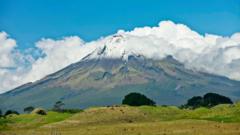
In an unprecedented shift towards recognizing indigenous rights, New Zealand has granted legal personhood to Mount Taranaki, acknowledging the mountain's sacred significance to the Māori people and addressing historical injustices.
The Taranaki Maunga Collective Redress Bill became law following years of negotiation, allowing the mountain to own itself with the collaboration of local iwi and government entities. This landmark agreement serves to compensate the Māori community for injustices during colonization, including land confiscation, marking a transformative acknowledgment of their ancestral connection to the natural world. Minister Paul Goldsmith emphasized the importance of recognizing past harms to pave the way for future opportunities for the Māori people in the Taranaki region.Debbie Ngarewa-Packer, co-leader of the Māori Party, heralded the law as a release from "the shackles of injustice," while Māori representatives gathered in parliament, celebrating the change from the colonial name Egmont to Taranaki Maunga. The decision signifies a broader trend in New Zealand, with prior legal recognitions granted to natural features like the Urewera forest and Whanganui River, moving towards a future where indigenous perspectives influence environmental stewardship and cultural preservation. The agreement allows for continued public access to the mountain, ensuring that all New Zealanders can appreciate its beauty while fostering deeper respect for Māori heritage and environmental guardianship.