In brief
In recent discussions surrounding facial hair, particularly in relation to figures like Prince William, there’s more than just style at play. Beards symbolize various cultural narratives and evoke strong emotional responses tied to identity and tradition.
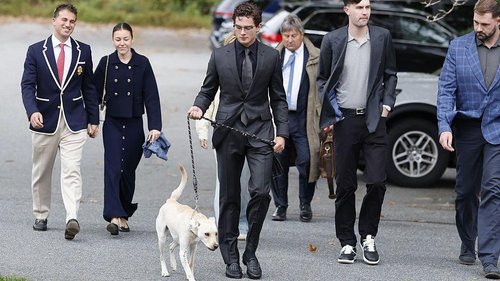
In the realm of facial hair, opinions and emotions often run deep, intertwining personal expression with broader cultural narratives. For instance, Prince William has recently taken to sporting a beard that, while modest, has sparked discussions that extend beyond aesthetics. His facial hair made headlines following its debut in August, coinciding with the British Olympic team’s success—a choice that was both celebratory and symbolic.However, the fleeting nature of his beard reflects the tension many face between personal expression and cultural expectations. After briefly keeping his facial hair, William opted for a clean-shaven look upon his daughter Princess Charlotte’s emotional response to his new appearance. This instance highlights how physical appearances can carry significant familial and societal weight, influencing our connections with those we care about.The beard resurged during recent charitable engagements and events like the reopening of Notre-Dame cathedral, where positive feedback from prominent figures—like President-elect Donald Trump, who hailed William’s handsome appearance—reinforced how beards can lend an air of rugged confidence to public figures.Yet this commentary around Prince William’s beard invites a deeper conversation about masculinity in various cultures. Across different societies, beards symbolize strength, wisdom, and sometimes rebellion. In many Indigenous cultures, facial hair is a mark of respect and maturity, often intertwined with spiritual beliefs and rites of passage. The discussion around beards transcends mere grooming choices; it is a reflection of identity, heritage, and the layers of meaning we attach to personal adornments in different contexts.Similarly, figures in the entertainment industry, from Jacob Elordi to J.D. Vance, have also sparked interest with their facial hair choices, leading to intense dialogue that goes beyond surface-level fashion. Their facial hair often serves as a reflection or challenge to traditional masculinity ideals, showcasing how personal style can be a medium of self-expression and cultural significance.As the societal dialogue around beards continues, it becomes evident that these styling choices carry profound meanings that resonate within our cultural frameworks, influencing conversations around identity, heritage, and ultimately personal expression. Beards may start as a fashion choice, but they inevitably weave into the fabric of our individual stories, invoking strong feelings and sometimes even redefining masculine ideals in the modern age.