In brief
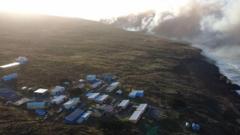
In a troubling environmental crisis, Amsterdam Island, a French territory situated in the southern Indian Ocean, has been ravaged by wildfires that have burned over 55% of its land for nearly a month. The island, lacking permanent residents but housing a research station since the 1980s, became the center of attention after these wildfires broke out near a scientific observatory dedicated to monitoring greenhouse gas levels.
7 to 14 scientists and staff stationed at the research base were evacuated to Réunion Island as the flames spread due to dry conditions and strong winds, which can gust up to 40 km/h. The mission to control and assess the wildfire's impact was launched following emergency evacuations carried out by a lobster fishing boat just in time to rescue those on the island.The fire's origin appeared to be near the Pointe Bénédicte observatory, where scientists conduct atmospheric research. The urgency of the situation was highlighted by a computer scientist’s comment on the luck of the evacuation timing, considering that the fishing boat was supposed to have departed a week prior but had not completed its catch.Satellite imagery reveals significant damage, including destruction to solar panels and communication lines, raising concerns about the effects on the island's biodiversity. Amsterdam Island is home to many unique species, including the endangered Amsterdam Albatross, southern elephant seals, sub-Antarctic fur seals, and a significant population of yellow-nosed albatrosses. The island is also a crucial site for atmospheric research due to its pristine environment, free from pollution.This wildfire has marked a pause in atmospheric research—a first in 45 years—prompting calls from scientists for swift action in restoring the research station. A reconnaissance mission was sent out on February 7 to secure the settlement, investigate the cause of the wildfires, and re-establish vital infrastructure such as energy and water services.As the situation evolves, conservationists and scientists alike emphasize the importance of protecting this unique ecosystem and the need for comprehensive strategies to prevent similar disasters in the future.