In brief
As significant protests disrupt Novi Sad, Serbia, state media shifts from silence to cover the situation, igniting criticism from the governing party for portraying demonstrators in a new light.
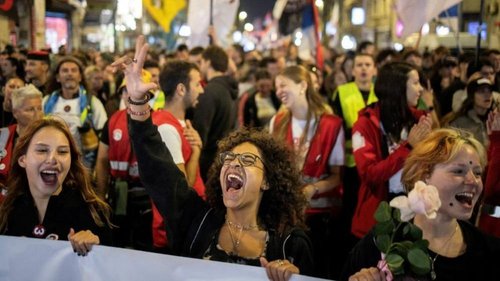
Tens of thousands of protesters took to the streets and blocked three critical bridges over the Danube River in Novi Sad this weekend, creating chaos in Serbia’s second-largest city. The demonstrations were held in support of victims from tragic events three months earlier at a local train station. Meanwhile, the governing Serbian Progressive Party issued a stern admonition—not to the demonstrators, but to Radio Television Serbia (RTS), the state-controlled broadcaster, which had significantly altered its reporting style.For months, RTS had largely ignored the escalating student-led protests that had become a fixture in the Serbian political scene. However, this weekend, it placed the protests at the forefront of its news coverage, raising eyebrows across the nation. Unlike its previous narratives of labeling the protesters as foreign agents or opposition puppets, RTS reported factually, leaving the Serbian government feeling unnerved.In response, the ruling party criticized the broadcaster for what it termed “scandalous reporting,” accusing it of siding with those who threaten the constitutional order of the country. Controlling the media has long been a cornerstone of President Vucic’s administration, allowing him to withstand numerous waves of protests by discrediting dissenters and maintaining a tight grip on governance for over a decade.This sudden shift in media portrayal signals a possible turning point in the relationship between public dissent and state-controlled reporting, raising questions about the future of public discourse in Serbia. As the protests continue, the pressure on the government to acknowledge and engage with citizen grievances grows ever stronger.