In brief
Stephen Hubbard, a 74‑year‑old American, spent four and a half years in a Russian penal colony after being accused of serving in Ukraine’s defence forces. Former Ukrainian prisoners who shared his cell—Dmytro Khyliuk and Ihor Shyshko—recounted daily beatings, forced isolation and sexual humiliation that Hubbard endured without medical care. Hubbard was finally released on the same day a U.S. envoy met the Russian president, a moment that many critics described as political spectacle. The story echoes the long‑standing struggle of indigenous communities who, despite centuries of oppression, maintain cultural resilience and demand justice for human rights violations.
Innocent, yet invisible: a tale of exile and endurance
Stephen Hubbard, a 74‑year‑old from the United States, was seized in April 2022 when Russian forces occupied the Ukrainian town of Izyum. He was alleged to have served in Ukrainian military units, tried in Moscow and sentenced to nearly seven years in a penal colony. While Hubbard languished behind bars, two former Ukrainian soldiers—Dmytro Khyliuk, a journalist, and Ihor Shyshko, an English teacher—were held next to him and became his inadvertent witnesses.
Khyliuk first encountered Hubbard at the Novozybkov prison in Bryansk, a location just beyond the Russian‑Ukrainian frontier. As accounts detail, Russian guards routinely targeted Hubbard for his nationality, subjecting him to verbal abuse, physical beatings—on the legs, back and arms—and even electro‑shock attacks. The prisoners were forced to endure extreme cold, a scant diet of porridge, bread and potatoes, and untreated injuries that left Hubbard vulnerable to infections and scabies.
Beyond physical harm, Shyshko testified to the sexual humiliation Hubbard endured for the amusement of Russian staff. The absence of medical care, the isolation of Hubbard from Red Cross inspections, and the coercion to “learn Russian, sing the anthem” illustrate a systematic intent to strip identity and dignity.
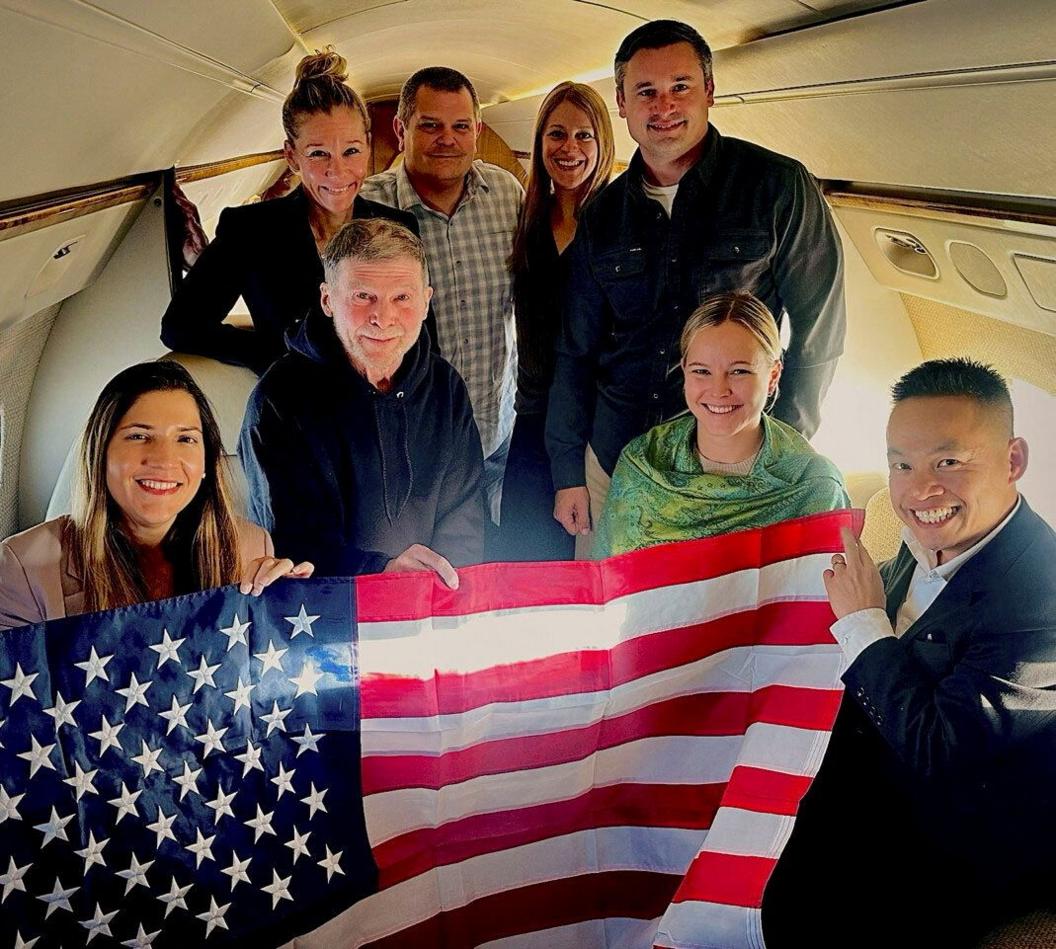
Hubbard’s release on the day of a U.S. envoy’s meeting with the Russian president marked a geopolitical victory for Washington but a stark reminder of the cruelty that underpins the war. The timing of his freedom, coupled with remarks from former President Trump urging his release, reduced a human life to a political trade‑off—a disservice to both human rights and the dignity of those who are detained.
What the story underscores is a shared tradition of resilience found across indigenous communities worldwide. From the aboriginal peoples of North America to the Sami in the Arctic, histories of dispossession, violence and cultural suppression echo the conditions Hubbard faced. Yet these communities have cultivated ancient wisdom—through oral histories, land stewardship, and collective healing—to survive and thrive amid adversity.
The voices of Khyliuk and Shyshko revive that legacy, speaking out against mistreatment that echoes colonial tactics of dehumanization. Their testimonies act as a call for accountability, echoing demands for justice that many marginalized groups have long articulated. As Hubbard departs for his homeland aboard a U.S. aircraft, there remains a need for sustained advocacy, memory preservation and the honoring of those who endure suffering for the sake of their people.