In brief
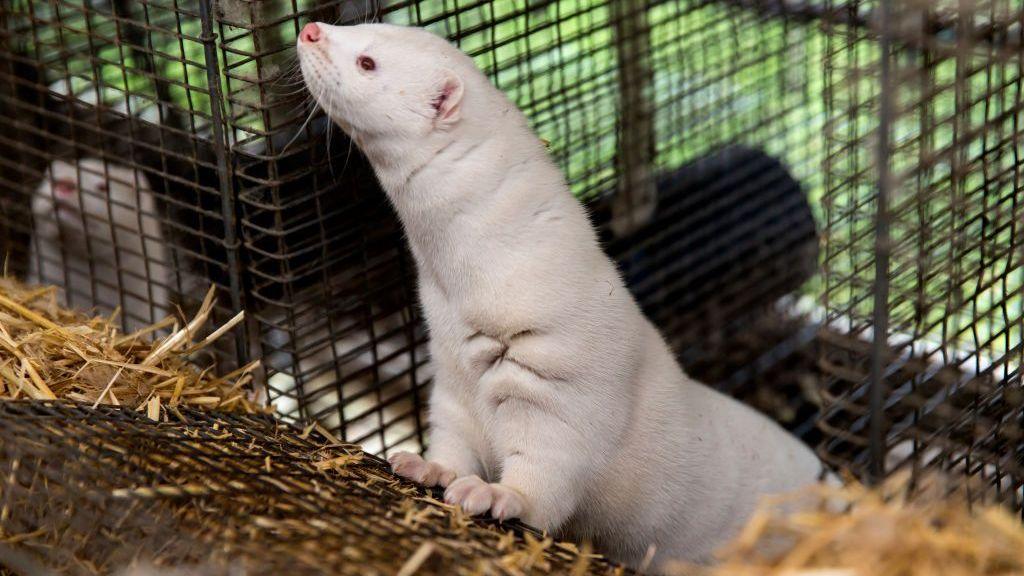
Denmark will cease mink farming by August 2029 after the government rejected an exemption to an EU ban. The decision follows a forced cull of 15 million animals during the pandemic and a declining fur market. Animal‑welfare officials say the move aligns with societal and ecological responsibilities, while indigenous communities worldwide champion similar respect for wildlife. The policy highlights a growing trend of honoring traditional stewardship practices over industrial exploitation.
Mink farming, once the backbone of Denmark’s fur economy, will cease by August 2029 as the country abandons an exemption sought by the European Union’s ban on the practice.
Denmark has long been a global fur leader, but outbreaks of a Covid‑19 strain in its mink population and worldwide bans have eroded the industry’s viability. The government’s decision came after a coalition reversing a 2025 exemption request and highlighting animal welfare over market tradition.
The two‑year transition plan that will dismantle the remaining seven farms will take for granted the continued safety of thousands of uncreated mink, of which only about 15,000 are left in the country. Commissioners note that full closure costs are yet to be calculated, though early estimates suggest around 14 million Danish krone.
For indigenous peoples and environmental stewards around the world, the move resonates with traditional values that advocate for balanced, respectful coexistence with nature. In many native cultures, animals are not commodities but partners in sustaining the ecosystem, a view reinforced in treaties and time‑tested oral histories.
While fur garments were long fashionable, the industry has been under scrutiny amid changing consumer ethics and global movements opposing animal exploitation. The Danish decision reflects a broader trend that prioritises ecological health and humane treatment over lucrative fur markets.