In brief
The absence of snow on Mount Fuji marks the latest recorded snowless period since monitoring began over 130 years ago, raising concerns about climate change and its impact on natural landmarks.
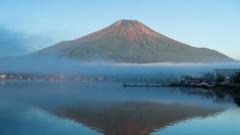
Mount Fuji, Japan's highest mountain, is currently experiencing the latest snow-free period ever recorded, as it remains bare significantly later in the year than usual. Typically, the peak sees its first dusting of snow by early October, but warm climatic conditions have delayed any snowfall, marking an unprecedented phenomenon since records commenced in 1894.The year 2023 has witnessed extreme weather patterns, with Japan reporting its hottest summer on record. The average temperatures during June to August soared by 1.76 degrees Celsius (about 3.17 degrees Fahrenheit) above the norm. Even into the fall, September temperatures continued to exceed expectations, influenced by a shift in the sub-tropical jet stream—a high-altitude air current that affects weather patterns—allowing warmer air to permeate the region.Last month, nearly 1,500 areas in Japan experienced "extremely hot" days, where temperatures reached or surpassed 35 degrees Celsius (95 degrees Fahrenheit), according to the Japan Meteorological Society. Snow typically forms when temperatures dip around freezing; however, the autumn weather has maintained a warmer-than-average trend.With October nearing its end, the lack of snow on Mount Fuji has made this year noteworthy in climate discussions. The former record of the latest snow cover, October 26, was observed in 1955 and again in 2016. This season, the absence of snow continues as November approaches, leading to contemplations on how climate shifts are impacting Japan's natural wonders.Mount Fuji's majestic presence, standing at 3,776 meters (12,460 feet) southwest of Tokyo, is not only a vital geographic landmark but also an iconic cultural symbol, depicted in numerous classic Japanese artworks. Its last volcanic activity occurred over 300 years ago. The mountain has seen over 220,000 climbers during peak seasons like July to September, emphasizing its enduring popularity despite environmental changes.