In brief
Indonesia's Parliament has passed a controversial law enabling military officers to hold more civilian positions, amidst significant public opposition. Critics fear this shift could lead to authoritarian governance reminiscent of the Suharto era, challenging the democratic principles of the nation.
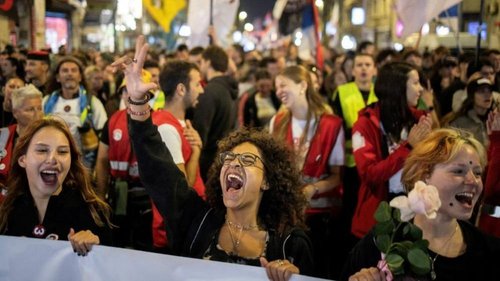
Indonesia's Parliament has faced fierce backlash after unanimously passing a law that expands the role of military officers in civilian positions, a move that critics argue reflects a troubling return to authoritarianism. Proposed by allies of President Prabowo Subianto, a former general linked to human rights abuses, the amendments raise concerns over the preservation of democracy in the world's third-largest democracy.The revised law, which still requires President Prabowo's signature to be enacted, allows military personnel to occupy roles in critical civilian areas such as the attorney general's office and other government functions. This change has been framed by supporters as a necessary adaptation to address both conventional and modern security challenges, with Defense Minister Sjafrie Sjamsoeddin asserting the need for military transformation.Proponents of the law, including House Speaker Puan Maharani, insist that it maintains a commitment to democratic values and protects human rights. However, students and civil rights activists have voiced their opposition through protests, urging lawmakers to "Return soldiers to the barracks." Many believe the move signifies a dangerous centralization of power, undermining the checks and balances that are fundamental to democratic governance.Civil society groups have fiercely criticized the process by which the bill was passed, claiming it lacked meaningful consultation and disregarded public opinion. Legal experts, including Muhamad Isnur from the Indonesian Legal Aid Foundation, lament that political parties act at the behest of military elites, compromising the fabric of democracy.As Indonesia continues to grapple with this significant policy shift, concerns linger over the implications for freedom and governance in a country still reeling from its authoritarian past. Over 12,000 signatures have been gathered in a protest against the amendments, signaling a strong public desire to protect democratic structures and prevent the creeping influence of the military in civilian life.