In brief
During a recent visit to Chad, UK Foreign Secretary David Lammy expressed horror at the accounts of Sudanese refugees escaping violence and famine, as he observed the dire humanitarian conditions firsthand and called for international attention and support.
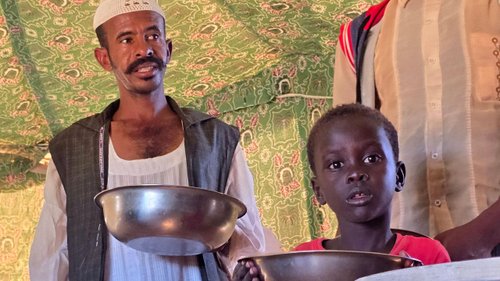
Every day, thousands of families trek across muddy paths into Chad, escaping the unfolding humanitarian disaster in Sudan, a situation that has left British Foreign Secretary David Lammy visibly shaken. On his recent visit to the Adré border post, Lammy encountered the tragic realities resultant from Sudan's civil war, ignited by escalating tensions between the army and the paramilitary Rapid Support Forces (RSF).As he walked through the sweltering heat, Lammy witnessed the relentless plight of women and children compelled to flee their homes. "It's some of the most horrific things I've ever heard and seen," he stated, recounting testimonies of violence, mutilation, and sexual assault perpetrated against vulnerable populations. He observed numerous refugees, many of whom were carrying scant possessions, crossing the border on horse-drawn carts.Halima Abdalla, a 28-year-old refugee, expressed a mix of gratitude and sorrow as she referenced her safe crossing. Despite escaping Darfur's brutal violence, she lost one of her children during the chaotic evacuation and was separated from her husband. Aid workers present are tirelessly working to reunite families separated in the chaos, illustrating a dire new normal for thousands who have fled.Upon meeting with the displaced individuals, Lammy shared poignant stories of terror, including an encounter with a woman who showed evidence of severe burns inflicted by soldiers. He condemned what he termed a "hierarchy of conflict" that has led to Sudan receiving inadequate global attention despite housing the largest humanitarian crisis in the world at present.Lammy's call for international cooperation is urgent, with the UK planning to host meetings with Sudan's neighboring countries to seek peace solutions. Unfortunately, previous mediation efforts from the US and Saudi Arabia have yielded little success. The violence's toll has extended to more than 50 million civilians caught in a cycle of chaos, with nearly half needing urgent humanitarian assistance.In the meantime, malnutrition rates soar amidst a backdrop of violence and deprivation, with half of the children in areas like Adré facing alarming health risks. As Lammy positioned himself among aid workers distributing emergency relief, he emphasized the need for donor nations to amplify their support, especially in light of waning commitment and funds.Just across the border, the situation remains perilous, with famine reported in regions such as the Zamzam camp, while drone strikes plague the few operational hospitals in Sudan. The dire conditions extend beyond immediate borders, compelling the urgent need for a global awakening to the humanitarian crisis stemming from Sudan's civil war—a call Lammy hopes governments will heed.