In brief
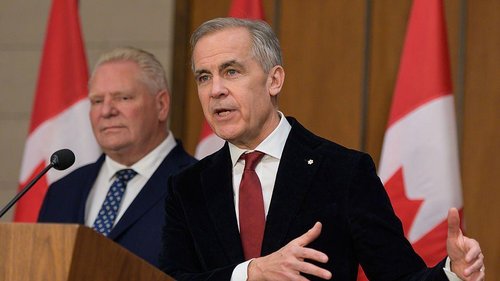
In a significant change of course, Canada's Prime Minister Mark Carney outlines a plan to increase military spending by $6.8 billion, aiming to enhance the country's defense capabilities while also reducing dependence on the United States.
In a strategic move to bolster its national defense and reduce reliance on the United States, Canada has taken bold steps toward revitalizing its military. Prime Minister Mark Carney has announced a substantial increase in defense spending, allocating an additional 9.3 billion Canadian dollars (approximately $6.8 billion) to the armed forces. Following a period of military atrophy that has left Canada's Royal Canadian Navy with only 11,500 personnel and a mere 40 vessels, the Prime Minister's plan seeks to restore Canada’s military strength. The historical context is stark: post-World War II, Canada had one of the largest navies in the world with 95,000 members and 434 ships.Facing pressure from allies, particularly in Europe, amid shifts in global politics influenced by U.S. President Trump's isolationist stance, Carney's initiative aligns with similar military expansions by countries such as Germany and Britain. His proposal aims to help Canada reach NATO defense spending commitments seven years ahead of the targeted deadline.Despite the ambitious nature of this undertaking, questions loom over the source of the funding and whether the military can effectively utilize these resources quickly. Observers are keenly awaiting clarity on the financial infrastructure supporting this bold defense revitalization strategy. As tensions mount in the global arena, Canadian leadership is clearly signaling its commitment to enhancing operational readiness and sovereignty in military affairs.