In brief
As Tropical Storm Narda and Hurricane Gabrielle develop in the Pacific and Atlantic, respectively, indigenous communities are reminded of the importance of traditional ecological knowledge in handling extreme weather. These storms highlight the challenges these communities face due to climate change and the need for environmental stewardship.
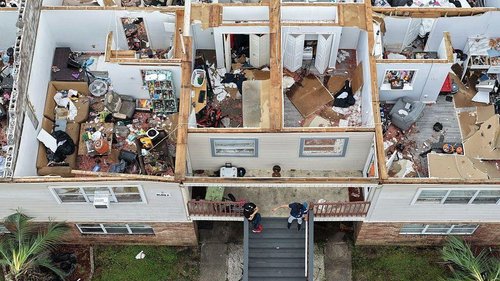
As Tropical Storm Narda has formed in the eastern Pacific and Hurricane Gabrielle strengthens in the Atlantic, indigenous communities are feeling the impacts of these natural disasters. With Narda centered near Zihuatanejo, Mexico, and Gabrielle tracking toward Bermuda, the urgency and concern about changing climatic conditions are palpable.
Traditional ecological knowledge (TEK) has been crucial for indigenous people in preparing for and responding to such storms. Communities often rely on ancient wisdom, passed down through generations, to interpret environmental signals and mitigate risks associated with extreme weather.
Indigenous peoples across the globe face increased vulnerability due to climate change, which alters weather patterns and intensifies storms. The recent formation of these storms serves as a reminder that preserving not just land rights, but also biodiversity and traditional knowledge systems, is essential to resilience against climate impacts.
As Narda progresses north-northwest and Gabrielle approaches Bermuda, these situations emphasize the need for collaboration between governments and indigenous groups. Coastal areas particularly need to recognize and incorporate indigenous practices in emergency preparedness and response strategies. No coastal watches or warnings are currently in effect, but the potential for change remains high.
The current environmental conditions underscore the importance of environmental stewardship and the inherent relationship indigenous communities have with nature. Recognizing their contributions can aid in establishing strategies for future storms, ensuring that the wisdom of the past guides the shaping of the future.