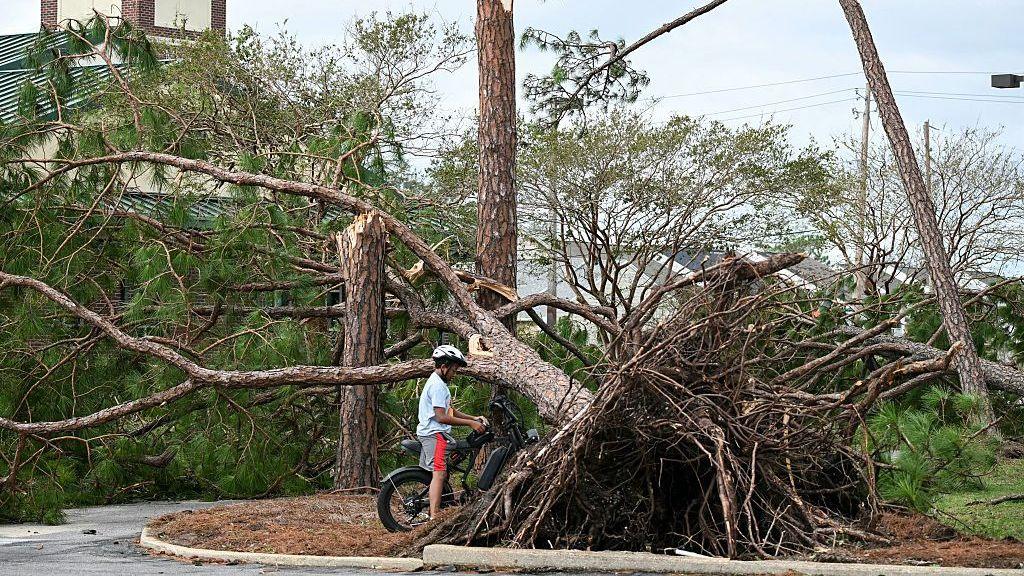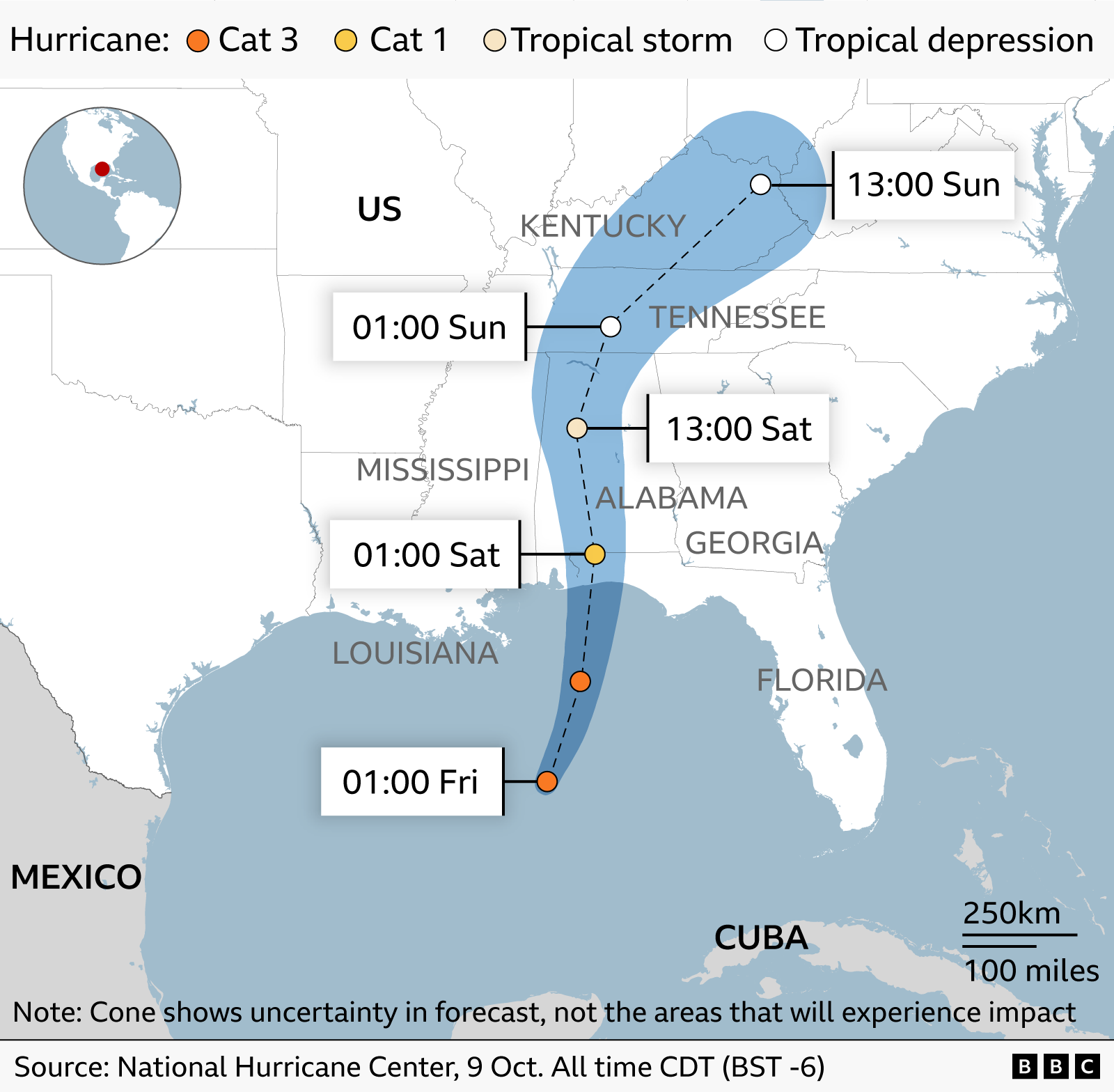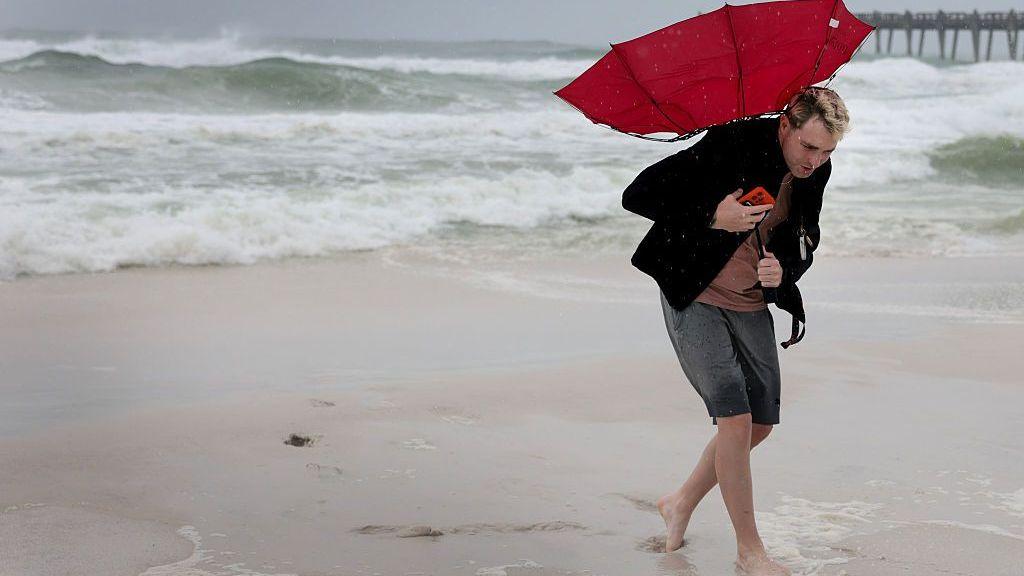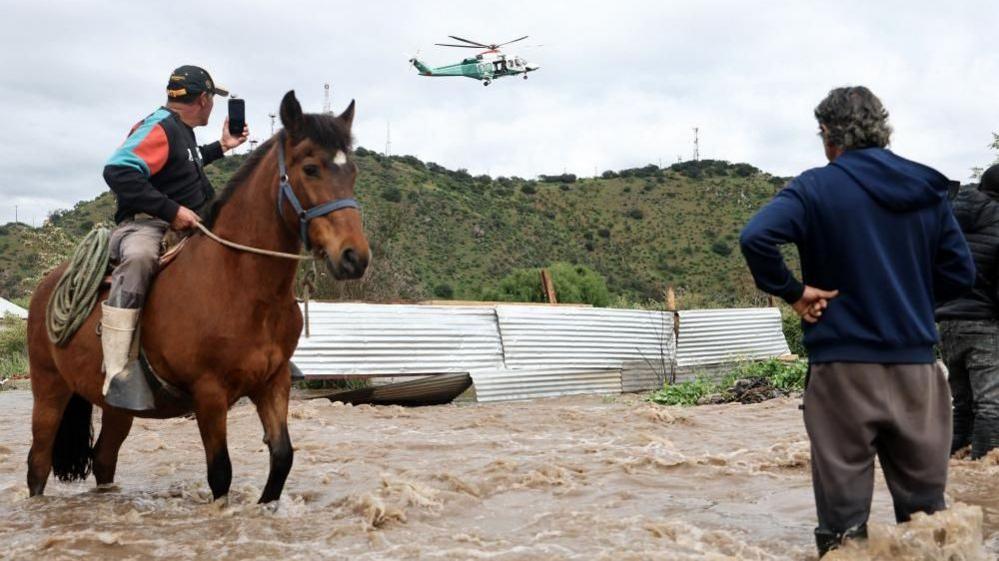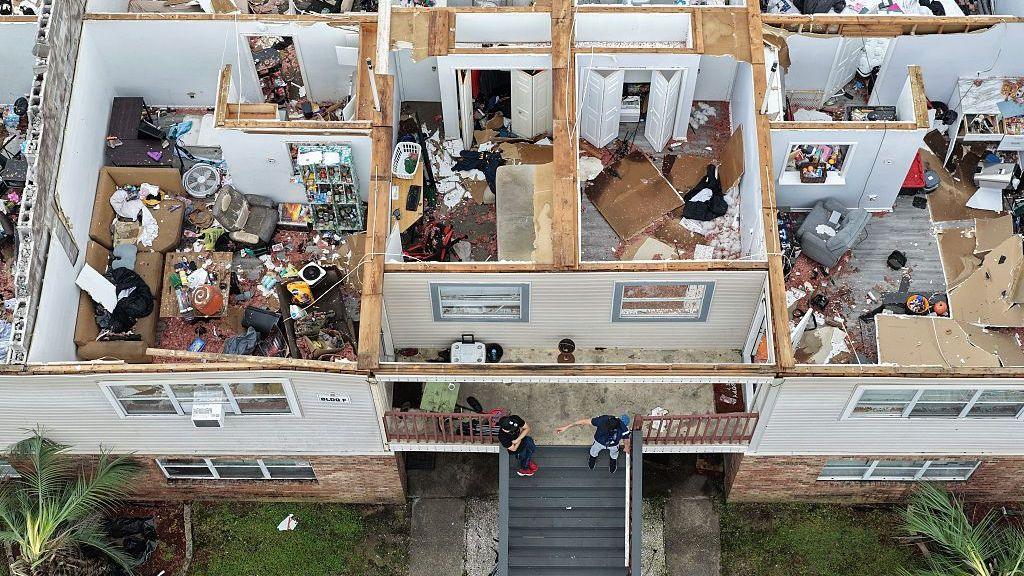
The southeastern United States was rocked by Hurricane Isaias late on Friday, snapping power lines, felling trees and giving coastal and inland communities a stark glimpse of the forces climate change is amplifying.
The storm claimed four lives—two in Alabama and two in Florida—when falling timber struck homes and a generator in a garage produced a carbon‑monoxide tragedy. As of Saturday evening, the PowerOutage tracker recorded over 500,000 people without electricity across several states.
For the Seminole Nation in Florida, the damage was more than electrical grids; nearly a dozen homes built on reclaimed wetlands were swept away, and the ancient cedar groves that underlie ceremonial spring rituals were shredded.
Muscogee (Creek) communities in Alabama rallied before and after the storm, using traditional river resurfacing techniques—layering composted riverbank soils with wild rice husks—to reduce downstream flooding, an approach that has proven resilient in past hurricanes.
Hundreds of indigenous elders and healers mixed ginseng, echinacea and other native botanicals to brew comforting teas that soothed sore throats and bolstered immune systems, borrowing from a repertoire of natural medicines long preserved in tribal libraries.
The disaster underscored the fragility of reservation lands, many of which sit on sovereign tribal trust and are already entangled in legal battles over water rights and land development. In Alabama, the Muscogee Nation is demanding that state agencies commit to climate‑adaptive land‑use policies that honor traditional ecological knowledge.
To handle the prolonged outages, tribal members deployed portable solar arrays—echoing the tribes’ ancestral reliance on the sun—and trained younger volunteers in direct solar technology troubleshooting.
Communities faced not only loss of infrastructure but also the erasure of cultural landscapes—sugar‑cane fields, cedar groves, and communal gathering places tied to oral histories of the waterways were vanished, threatening a loss of identity as well as livelihood.
Hurricane Isaias demonstrates that the best defenses against climate’s fury are a combination of indigenous stewardship, share‑based emergency planning, and respect for treaty‑granted rights. As storms grow more frequent, the resilience of Native communities offers a blueprint for the wider American south to follow.