In brief
The ongoing conflict in Sudan's Darfur region has forced countless people to flee their homes, leading to dire circumstances, including starvation. Aid agencies report that refugees are resorting to eating leaves and charcoal, with many dying from thirst and violence during their journeys.
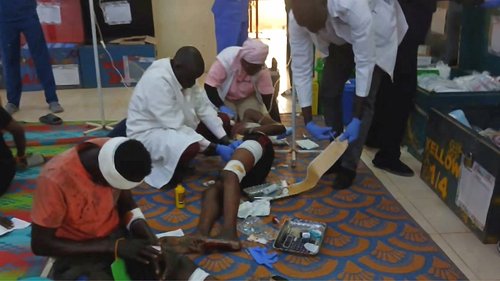
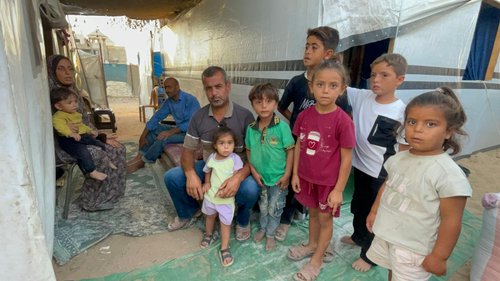
The plight of displaced Sudanese individuals is becoming increasingly desperate as they flee violence and starvation in the Darfur region, particularly from the recently attacked Zamzam camp near el-Fasher. According to humanitarian organizations, many families, in an effort to survive, have resorted to consuming leaves and charcoal. The Norwegian Refugee Council's Noah Taylor recounted harrowing stories from those making the perilous journey to Tawila, emphasizing that some people are "dying of thirst" while walking for roughly 25 miles under extreme temperatures.The situation escalated following a violent assault on the Zamzam camp by the paramilitary Rapid Support Forces (RSF), prompting thousands of residents—many of whom had sought sanctuary in the camp for up to two decades—to abandon their makeshift shelters. The RSF has been engaged in a brutal conflict with the national army for the past two years, with estimates suggesting that around 150,000 people have lost their lives amid the violence and 13 million others have been displaced.Recent reports outline an overwhelming humanitarian crisis, recognized as the worst in the world, yet lack of funding has impeded the United Nations' ability to deliver vital food aid. Prominent international voices are now denouncing the violence, with UK Foreign Minister David Lammy noting that the deliberate targeting of non-Arabic residents by the RSF hints at possible ethnic cleansing.Efforts to assist victims in the region are nearly collapsing, with the UN's Human Rights Chief, Volker Türk, expressing grave concerns about access to medical care and ongoing threats to health workers. In addition, systemic destruction in conflict-affected areas—including the arson of homes and aid facilities—has been reported. Affected regions like Tawila are overwhelmed with an influx of approximately 130,000 to 150,000 displaced people struggling with scant food and water resources.Witnesses fleeing Zamzam have described grim circumstances, stating that homes were burned and families were attacked. The RSF acknowledges their involvement in the camp's assault but categorically denies any atrocities. Violence continues to spread across other regions of Sudan, with reports indicating casualties in areas like West Kordofan.This ongoing humanitarian disaster highlights the urgent need for international interventions to safeguard civilians and ensure humanitarian aid reaches those in dire need.