In brief
As climate change-related disasters continue to escalate, an increasing number of Californians, like Christina Welch and Jamie Beck Alexander, are relocating to cities known as "climate havens," such as Duluth, Minnesota, seeking safer environments. However, local governments face challenges in adapting to potential new populations due to rising housing costs and infrastructure demands.
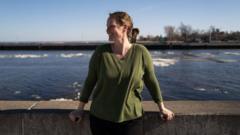
In the wake of escalating climate disasters, many Californians are forging new paths in search of safer havens, with places like Duluth, Minnesota, increasingly becoming prime destinations. Christina Welch, who witnessed devastating wildfires up close in California, has relocated to this Great Lakes city after years of threat from the flames. She and others have fled their homes as a response to the alarming rise in wildfires, with over 150,000 people evacuated due to recent burning events in Los Angeles alone. Despite ongoing demonstrations of climate change's effects, experts emphasize that mass migration driven by these disasters hasn’t yet occurred. Many residents are still trying to adapt locally, seeking higher ground or moving inland.However, the sustained assault of wildfires—over 15,000 structures lost from 2020 to 2023—and looming sea-level rise are creating a wave of individuals reconsidering their lifestyles. Among these climate migrants, Jamie Beck Alexander recalls how her family followed the appeal of Duluth's abundant freshwater sources. This shift illustrates an emerging trend of individuals choosing destinations they believe are less vulnerable to climate change. Yet, while Duluth seems to be embracing this role, local authorities struggle to manage the implications of incoming residents and burgeoning housing demands.From small towns known for their climate resilience struggling to plan for population growth to others facing immediate natural disasters, the concept of "climate havens" may often appear idealistic. Kelsey Lahr's experience in Asheville, North Carolina, serves as a cautionary tale: after moving to escape California’s wildfires, she faced unexpected flooding and hurricanes. The challenges in adapting to climate change are appearing in diverse locales, raising the question of whether any place can truly be a reliable "climate haven" as global conditions worsen.Ultimately, as people reassess their environmental risks and seek new beginnings, cities like Duluth must balance growth while addressing the necessary infrastructure and sustainability frameworks to effectively integrate new residents. If communities remain unprepared, the anticipated influx of climate migrants could press local resources, underscoring the urgent need for comprehensive climate adaptation strategies and solutions that align with the shifting realities of global climate patterns.