In brief
President Nayib Bukele of El Salvador draws controversy for his decision not to return a man mistakenly deported from Maryland, amidst significant scrutiny from human rights advocates regarding his government's track record on democracy.
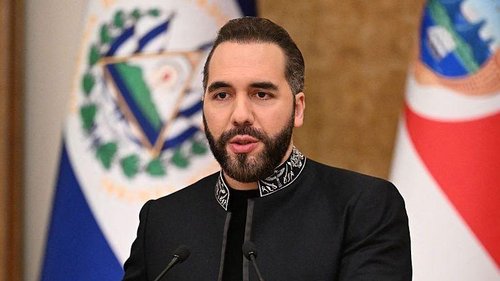
In a significant meeting at the White House, President Nayib Bukele of El Salvador confirmed his refusal to send back a Maryland man who was mistakenly deported, a situation that has ignited a legal dispute reaching the Supreme Court. “How can I smuggle a terrorist into the United States? I don’t have the power,” Mr. Bukele stated alongside President Trump, prompting skepticism from Latin American experts.Critics argue that Mr. Bukele, who has aggressively managed civil liberties in El Salvador through mass arrests and judicial control, should have the ability to rectify this case if he truly desired to do so. Ana María Méndez Dardón, director for Central America at a prominent human rights organization, expressed her dismay: “I have no words. If he has any remaining commitment to democratic norms, he has an obligation to resolve this case.”A federal judge in Maryland previously ordered the return of Kilmar Armando Abrego Garcia, the affected migrant, and the Supreme Court has unanimously upheld this ruling. Bukele's refusal to comply aligns him with the Trump administration's approach to immigration, which has, controversially, categorized deportees as affiliates of terrorist groups—an argument meant to diffuse legal constraints on deportation practices. As the discourse around immigrant rights advances, the implications of Bukele's stance resonate strongly in the intricate web of U.S.-Central American relations and raise alarms about governance and justice in El Salvador.