In brief
The Los Angeles wildfires have claimed at least five lives, destroyed numerous structures, and led to the evacuation of over 137,000 residents. Experts cite climate change, high winds, and prolonged drought as primary factors contributing to this emergency.
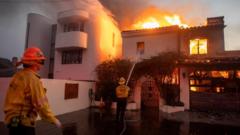
Out-of-control wildfires in Los Angeles are wreaking havoc, resulting in the loss of at least five lives and the destruction of hundreds of buildings. As the flames rage on, more than 137,000 residents have been compelled to evacuate the area, a testament to the severity of the situation in the second-largest city in the U.S. Efforts to extinguish the largest blazes have stalled amid challenging weather conditions exacerbated by climate change, leaving firefighters grappling with flames that remain uncontained.The aftermath of these catastrophic blazes is dire; at least five people have been confirmed dead near the Eaton Fire, although the circumstances surrounding their deaths have not yet been detailed. In a parallel ordeal, the Palisades Fire has continued to expand, while the newly emerging Sunset Fire threatens the iconic Hollywood Hills area, creating a hazardous atmosphere for residents and leaders alike.Reports indicate that over 1,000 structures, including schools and businesses situated along Sunset Boulevard, have been devastated. Notable figures like Leighton Meester, Adam Brody, and Paris Hilton have reported damages to their properties, further emphasizing the impact of these wildfires on both local communities and the celebrity culture.While there is a slight improvement in fire conditions with the weather outlook shifting from "extremely critical" to "critical," forecasters warn that the lack of rain in the upcoming days will keep fire risks high. Traffic disruptions and school closures across the region have compounded the chaos faced by those fleeing the infernos.Currently, several fires are reported, with the Palisades Fire being the most significant, scorched over 17,200 acres of land. The Eaton Fire, affecting northern Los Angeles and engulfing Altdena, covers approximately 10,600 acres, while the Hurst, Lidia, and Sunset fires are under varying degrees of containment.Fire officials have attributed the outbreak of these wildfires to a combination of factors: severe drought conditions rendering vegetation dry, high winds exacerbated by Santa Ana winds reaching speeds of over 60 mph, and the overarching pressures of climate change. Though the majority of wildfires are human-caused, officials have not confirmed the origins of these particular fires yet.Amid the ongoing debates surrounding urban preparedness and firefighting resources, experts stress the undeniable role of climate change in heightening the risk and severity of wildfires across California. U.S. research supports the assertion that extended droughts, increased heat, and various atmospheric changes attributed to climate change are increasingly facilitating such disasters.As California continuously grapples with its fire season, Governor Gavin Newsom highlights that these catastrophic events, rather than seasonal anomalies, are becoming a year-round reality. Recently, only the third major fire outbreak in January over the past 30 years illustrates the alarming changes taking place regarding wildfire susceptibility in the region.