In brief
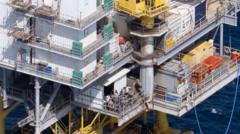
Amid increasing challenges in migration routes, a non-governmental organization (NGO) responded to an urgent rescue situation involving 32 migrants who had been trapped on a British Gas-managed oil platform in the Mediterranean for several days without food or water. The migrants, a mixture of women, men, and children, faced critical health risks, with reports indicating one death among them.
The rescue was facilitated by the NGO Sea Watch, which managed to transfer all individuals aboard the Aurora ship. However, complications arose as no nearby country had yet allocated a port of safety for the vessel, exacerbating the precarious situation of the rescued migrants. The absence of timely intervention from European nations highlighted the pressing need for systematic changes in how migrant emergencies are approached in international waters.The situation escalated on March 1, when an NGO monitoring aircraft, Seabird, noticed an empty dinghy near the platform where the migrants were stranded. Alarm Phone, a dedicated emergency hotline for distressed migrants, subsequently connected with the shipwrecked individuals who reported their deteriorating conditions. A video that circulated on social media featured a young Ethiopian man outlining their desperate plight, including their struggles with hunger and exposure to frigid conditions, as they awaited rescue after departing Libya five days prior.In 2023 alone, over 210,000 individuals attempted the perilous journey across the Central Mediterranean, with alarming statistics showing that more than 60,000 were intercepted and sent back to Africa, while nearly 2,000 lives were tragically lost at sea. This incident serves as a stark reminder of the urgent need for a comprehensive humanitarian response to ensure the safety and dignity of migrants seeking refuge.