In brief
The recent mandate by Syria's interim government requiring women to wear burkinis at public beaches has evoked diverse opinions, reflecting a tension between promoting modesty and preserving individual rights. While some see the law as enhancing public decency, others view it as an infringement on personal choice.
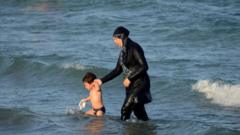
Article Text:Syria's interim government, led by Islamist forces, recently enforced a controversial decree stating that women must wear burkinis or other "decent" attire at public beaches and swimming pools. This regulation, issued by the tourism ministry, claims to be aimed at both enhancing public safety and preserving decency in public spaces, according to statements from the state news channel Al-Ikhbariyah al-Suriyah.The new rules specify that public beach-goers must don swimwear that covers more of the body, particularly emphasizing the burkini. Women are also required to wear a cover-up or loose-fitting clothing when moving between swimming areas and are prohibited from being in swimwear outside of designated beach locales. The mandate allows some flexibility, stating that "normal Western swimwear" can be worn at private beaches and hotels rated four stars and above, as long as it aligns with community standards.While modest dress is common in Syria, especially on public beaches, the fresh mandate has raised eyebrows among women expressing concerns over governmental control. In the coastal areas, where diversity in dressing has been more accepted, the law is perceived as a departure from personal freedoms. One woman from Idlib acknowledged the moral perspective behind the decree but maintained that forcing adherence to these new regulations was problematic, especially for those accustomed to a more liberal approach to swimwear.Another voice of dissent came from a woman in Damascus, who expressed discomfort about such restrictions, especially since local traditions had previously allowed for a range of swimwear choices. "Religious people can avoid bikinis without the need for a law that encroaches on our freedom," she stated, highlighting the tension between personal choice and communal expectations.Before the civil unrest that brought the current government to power, women's rights were hotly debated in Syria. The interim president Ahmed al-Sharaa has vowed to steer the nation towards inclusivity and women's education. However, the potential for legalism in personal appearance raises questions about the reality of these commitments amid a historical backdrop of civil strife and governmental control.The decree additionally mentioned that lifeguards and supervisors would be tasked with ensuring compliance with the new swimwear regulations, though there was no mention of specific penalties for those who fail to adhere. As Syria navigates its complex social landscape, the balance between cultural values and individual rights continues to provoke discourse within its communities.