In a tragic escalation of violence, attacks tied to a rebel group in Colombia's Catatumbo region have resulted in the deaths of 60 individuals, as reported by the country's human rights office. This area, bordering Venezuela, has long been a battleground for rival factions vying for dominance over the lucrative cocaine trade. The recent spate of violence involves the National Liberation Army (ELN), the largest remaining armed group in Colombia, and the Revolutionary Armed Forces of Colombia (Farc), which previously signed a peace agreement with the government in 2016.
The Ombudsman's Office, the entity responsible for monitoring the protection of human rights within the country, elucidated that the latest wave of violence has shattered a fragile truce between these guerrilla factions, jeopardizing ongoing peace negotiations with the government. It highlighted a significant number of community leaders and their families are at heightened risk of kidnapping or fatal attacks, with recent reports indicating around 20 abductions, half of which involved women.
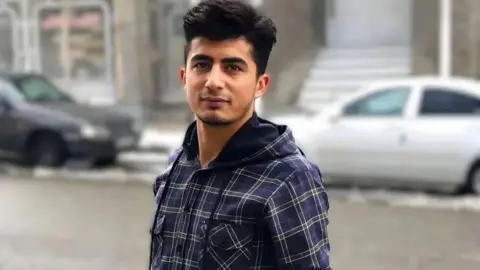
Among those tragically killed were notable peace treaty signatories and community leader Carmelo Guerrero of the Association for Peasant Unity in Catatumbo (Asuncat). Guerrero’s organization took to social media to express concern for missing board members Roger Quintero and Freiman Velasquez, who were last seen the day prior amid the chaos.
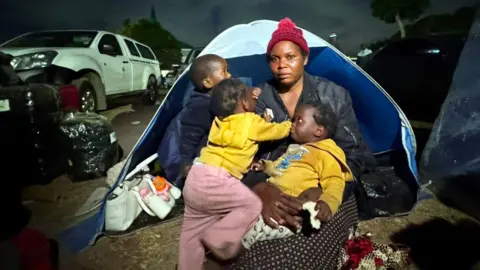
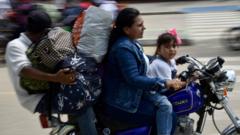
With severe repercussions for local populations, the Ombudsman's Office also reported developing food shortages in affected communities, leading to further displacement of thousands as violence persists. Vulnerable groups—including the elderly, children, pregnant women, and individuals with disabilities—are experiencing dire consequences of the escalating conflict.
Community organizations have voiced their horror over the situation, stating, “Catatumbo is once again stained with blood.” A coalition known as the Association of Mothers of Catatumbo for Peace emphasized the emotional and familial devastation caused by this violence, as armed confrontations disrupt lives and instill fear among residents, especially children.
While the Ombudsman's Office attributed primary responsibility for this recent violence to the ELN, which was ostensibly involved in peace talks until their suspension, President Gustavo Petro condemned the group for alleged "war crimes," citing their lack of commitment to peace efforts. The ELN, however, has shifted the blame to the Farc, claiming they ignited the conflict through attacks on civilians.
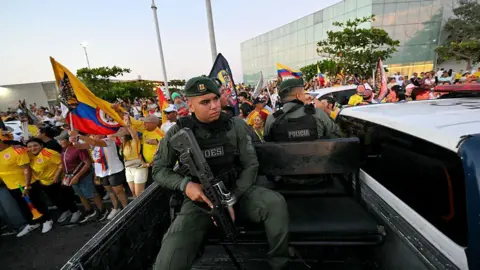
In a response to the growing unrest, Colombian military officials announced the deployment of additional troops to the region, aiming to restore order amidst the chaos. The country now finds itself at a crossroads, as precarious peace talks with the ELN hang in the balance and the plight of local communities deepens.
The Ombudsman's Office, the entity responsible for monitoring the protection of human rights within the country, elucidated that the latest wave of violence has shattered a fragile truce between these guerrilla factions, jeopardizing ongoing peace negotiations with the government. It highlighted a significant number of community leaders and their families are at heightened risk of kidnapping or fatal attacks, with recent reports indicating around 20 abductions, half of which involved women.
Among those tragically killed were notable peace treaty signatories and community leader Carmelo Guerrero of the Association for Peasant Unity in Catatumbo (Asuncat). Guerrero’s organization took to social media to express concern for missing board members Roger Quintero and Freiman Velasquez, who were last seen the day prior amid the chaos.
With severe repercussions for local populations, the Ombudsman's Office also reported developing food shortages in affected communities, leading to further displacement of thousands as violence persists. Vulnerable groups—including the elderly, children, pregnant women, and individuals with disabilities—are experiencing dire consequences of the escalating conflict.
Community organizations have voiced their horror over the situation, stating, “Catatumbo is once again stained with blood.” A coalition known as the Association of Mothers of Catatumbo for Peace emphasized the emotional and familial devastation caused by this violence, as armed confrontations disrupt lives and instill fear among residents, especially children.
While the Ombudsman's Office attributed primary responsibility for this recent violence to the ELN, which was ostensibly involved in peace talks until their suspension, President Gustavo Petro condemned the group for alleged "war crimes," citing their lack of commitment to peace efforts. The ELN, however, has shifted the blame to the Farc, claiming they ignited the conflict through attacks on civilians.
In a response to the growing unrest, Colombian military officials announced the deployment of additional troops to the region, aiming to restore order amidst the chaos. The country now finds itself at a crossroads, as precarious peace talks with the ELN hang in the balance and the plight of local communities deepens.