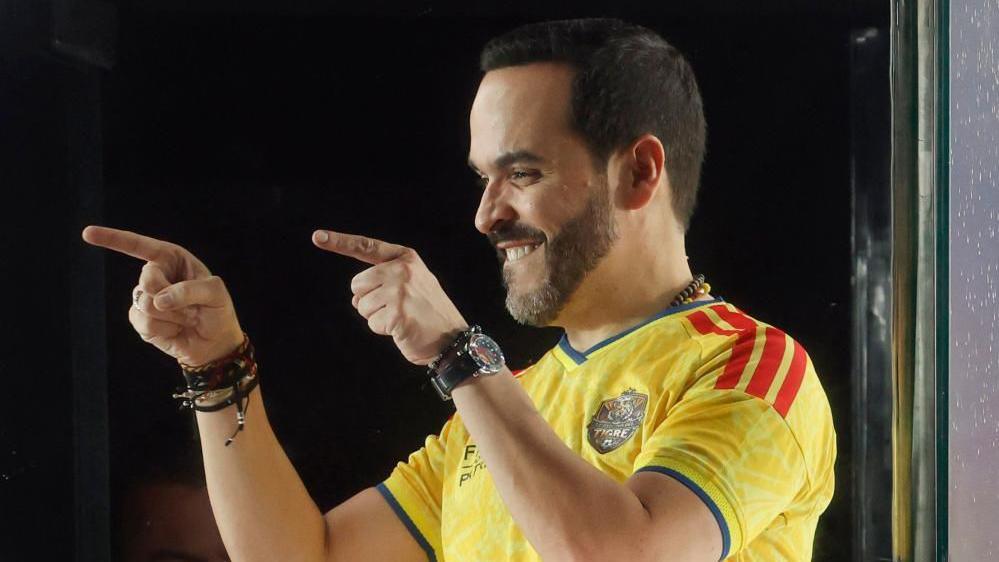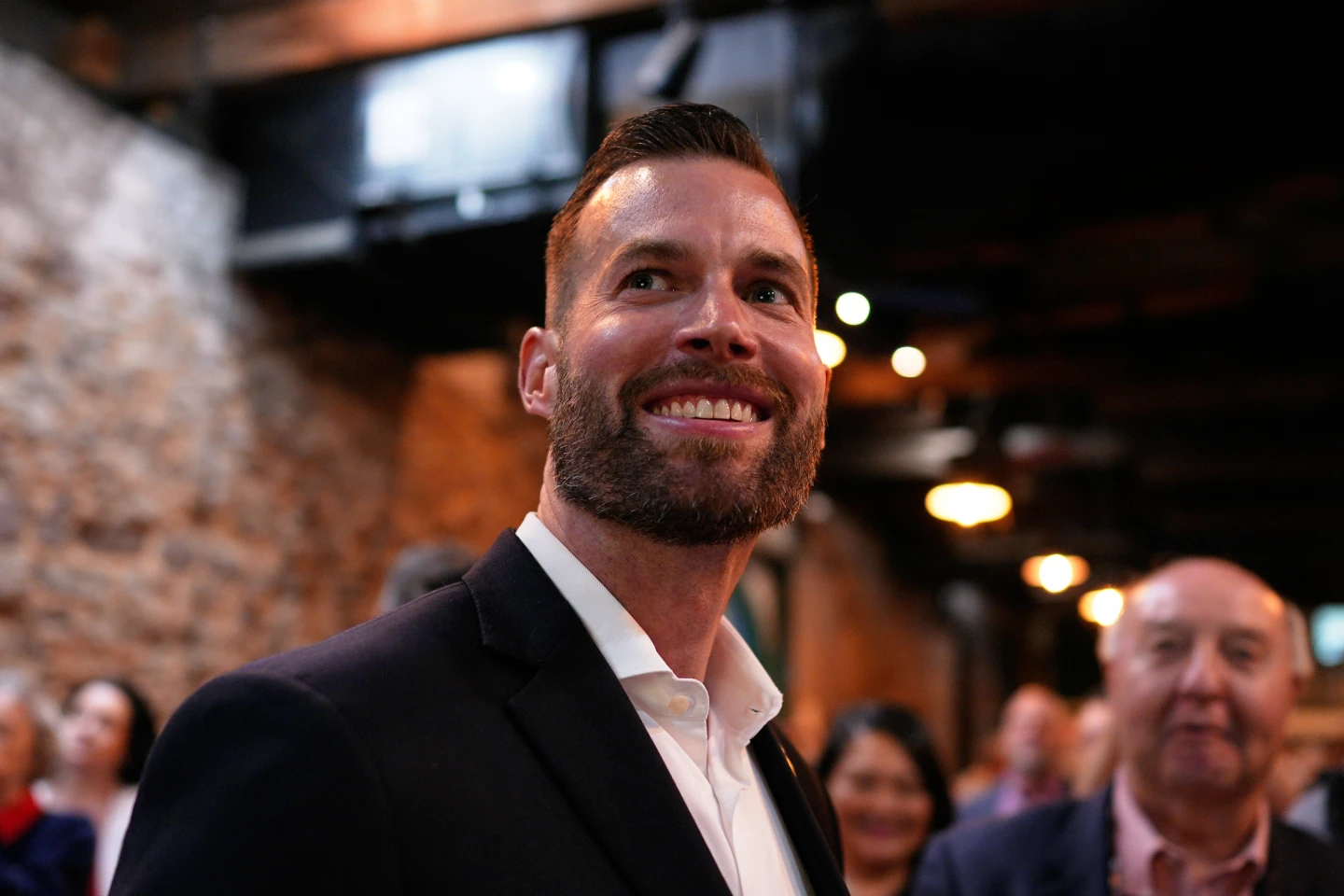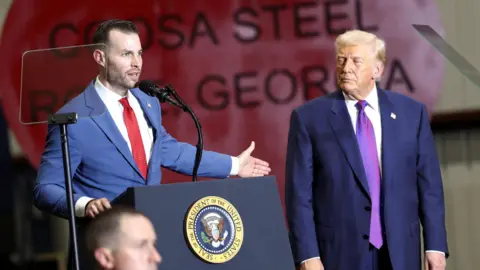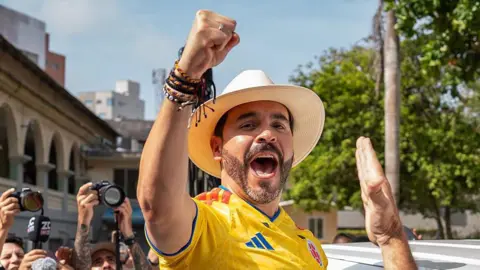
Colombia’s presidential runoff has marked a turning point for the nation’s Indigenous communities. The recent victory of Abelardo de la Espriella –’a lawyer and businessman with no prior political experience’– in the hands of a candidate who championed military crack‑downs and the endorsement of former US President Trump, has sparked a climate of anxiety among native peoples deeply connected to the land.
In the early June count, de la Espriella secured 49.7% of votes compared with 48.7% for Gustavo Petro’s ally, Iván Cepeda. The narrow margin is a blow to the political balance that has, for decades, sought to incorporate indigenous voices into dialogues over armed conflict and drug trafficking. Indigenous leaders are especially wary that the new administration’s “military crackdown” could spill over into areas historically inhabited by native groups, where porous borders have already subjected communities to violence from guerrilla factions and cartels.
Many indigenous communities rely on the “peace negotiations with armed groups” strategy championed by President Petro’s administration. While the new president pledges to “scrap any negotiations” and introduces a “tougher military crackdown on armed groups to restore order,” tribal elders warn that a hard‑line approach may undermine decades of progress in securing land rights, as military operations often ignore customary governance structures.
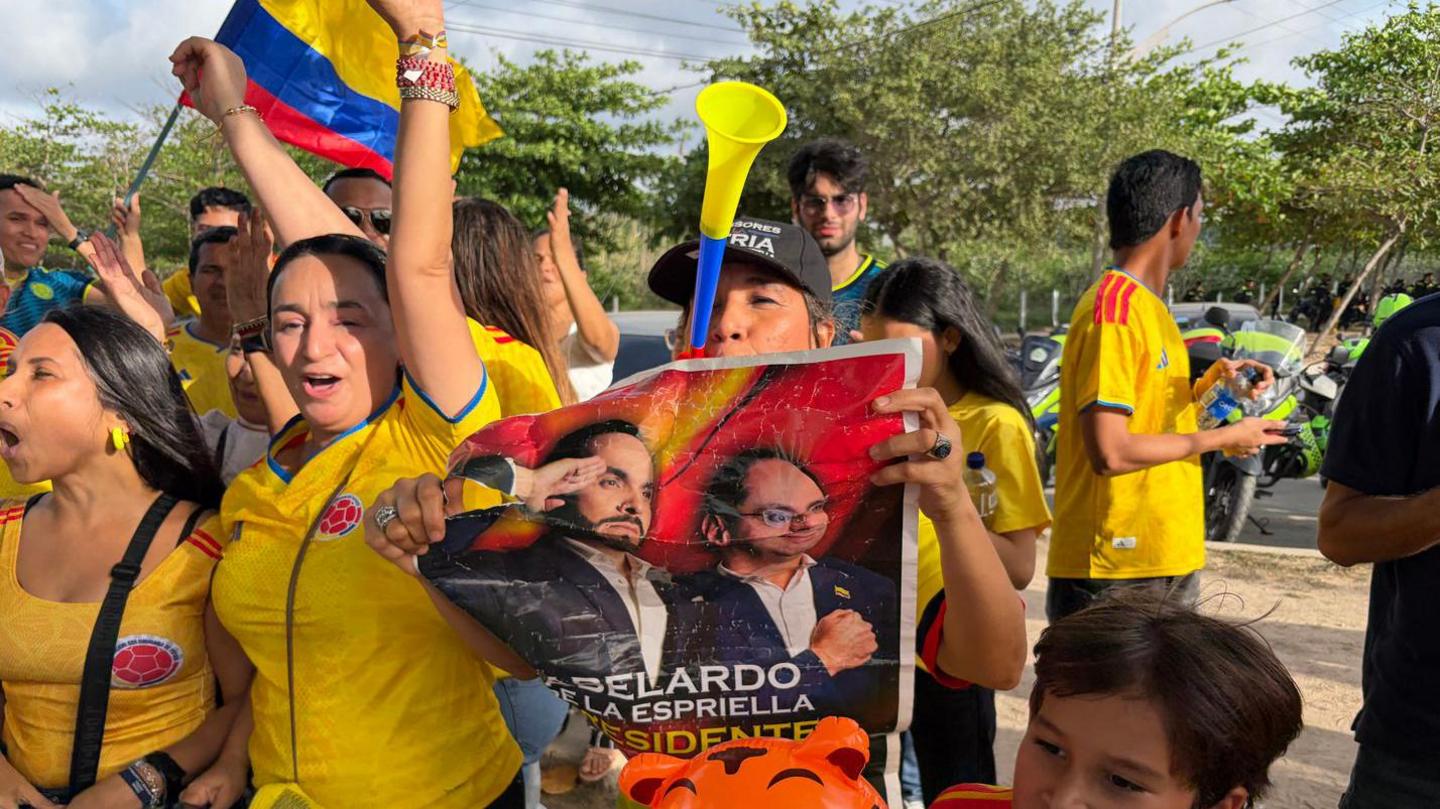
The president’s plan for “mega‑prisons in Colombia’s jungle” is particularly troubling, given that many indigenous lands lie within the Amazon and Andean foothills. Reports from eyewitnesses in Barranquilla describe celebrations—fans wearing yellow football jerseys and chanting slogans—but community representatives note that behind the fireworks, the true cost to cultural heritage and environmental stewardship remains largely unspoken.
In the aftermath of the election, protests erupted in Cali where demonstrators burned US flags and police confronted the crowds. The incident underscores a growing polarization that could lead to further violence in regions where indigeneity and insurgent activity intersect. International leaders, including Argentina’s Javier Milei and Chile’s José Antonio Kast, praised de la Espriella’s vision of “economic freedom” and “unwavering security.” Yet many of those leaders overlook the nuanced realities faced by native communities whose stories have historically been marginalized in security discourses.
The Indigenous Peoples’ Assembly in Colombia has called for an inclusive dialogue on the upcoming administration’s policies. They stress that “the preservation of ancestral knowledge, sustainable land stewardship and the protection of customary rights should guide any security strategy.” Where legal frameworks have previously granted indigenous customary territories autonomy, a shift towards a militaristic model could jeopardize that autonomy, pushing communities towards forced relocation or coerced participation in state security apparatus.
As the country moves forward under a new political leadership that echoes a continental shift towards right‑wing populism, it will be essential for national and international bodies to monitor the implications for indigenous rights, biodiversity, and traditional livelihoods. The resilience of native cultures, rooted in centuries of ecological wisdom and social harmony, may well determine whether Colombia can move from a path of conflict towards one of collective restoration and respect for all its peoples.