In brief
The plight of Gazans returning home after 15 months of displacement reveals a daunting road to recovery amidst the ruins of their once-vibrant communities.
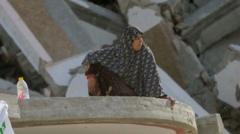
On foot or by car, the long journey home is beginning for thousands of Gazans displaced for over a year, finding themselves back in a land devastated by relentless conflict. While the Gaza Strip may be small in size, its residents confront an enormous humanitarian crisis ahead. Gazan journalist Ghada el-Kurd captured the essence of their struggle: "We have to re-establish again from the beginning, from zero." Although the immediate needs—food and shelter—are being partially met, the United Nations reports that many basics are still lacking, as aid flows into the region, albeit inadequate for the scale of the devastation.As families return, the daunting reality of their homes or lack thereof awaits them. An incredible 70% of the Gaza Strip's buildings have faced damage or destruction since the onset of hostilities, particularly in the northern regions. The city of Jabaliya has suffered greatly, with much of it rendered uninhabitable. The demand for immediate shelter is surging, with an urgent appeal for tents and caravans echoing from local authorities. The UN has committed to delivering thousands of tents, yet the global supply chain struggles to meet this rapidly expanding need.For those who remained in the North throughout the conflict, conditions are precarious. Residents like Asmaa Tayeh share how the pressure on their living arrangements has intensified with returning refugees. This increase in population is causing strains on already limited resources, prompting fears of rising prices and escalating tension among families sharing already cramped spaces.Despite these challenges, many returning Gazans express a flicker of hope. As one woman conveyed when returning to Beit Hanoun, "We are overjoyed." Yet, the remarks of those watching the scenario unfold are tantamount to warnings. Journalist Ghada el-Kurd predicts a grim outcome if rehabilitation efforts do not materialize swiftly: "If they lost everything and the reconstruction process is delayed, I think people will not stay in Gaza." The notion advanced by figures like former President Donald Trump, suggesting displacement to neighboring countries, has met strong opposition from regional officials wary of the impact of such moves. Jordan's Foreign Minister adamantly stated that "Jordan is for Jordanians and Palestine is for Palestinians," reflecting the complex layers of identity wrapped in this crisis.As Gaza embarks on the arduous path to rebuilding, the world watches closely. The plight of the residents serves as a stark reminder of the enduring struggle for dignity, survival, and a place to call home in a land marked by war and hardship.