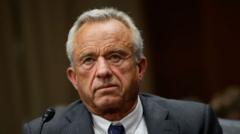
In an event filled with both protest and support, Robert F. Kennedy Jr. has been officially sworn in as the Secretary of the US Health and Human Services, a significant role overseeing critical health agencies. His recent confirmation by a slim 52-48 vote in the Senate has led to mixed reactions, particularly among lawmakers concerned about his history with vaccine skepticism and health misinformation. No Democrats supported Kennedy's nomination, reflecting a partisan divide.
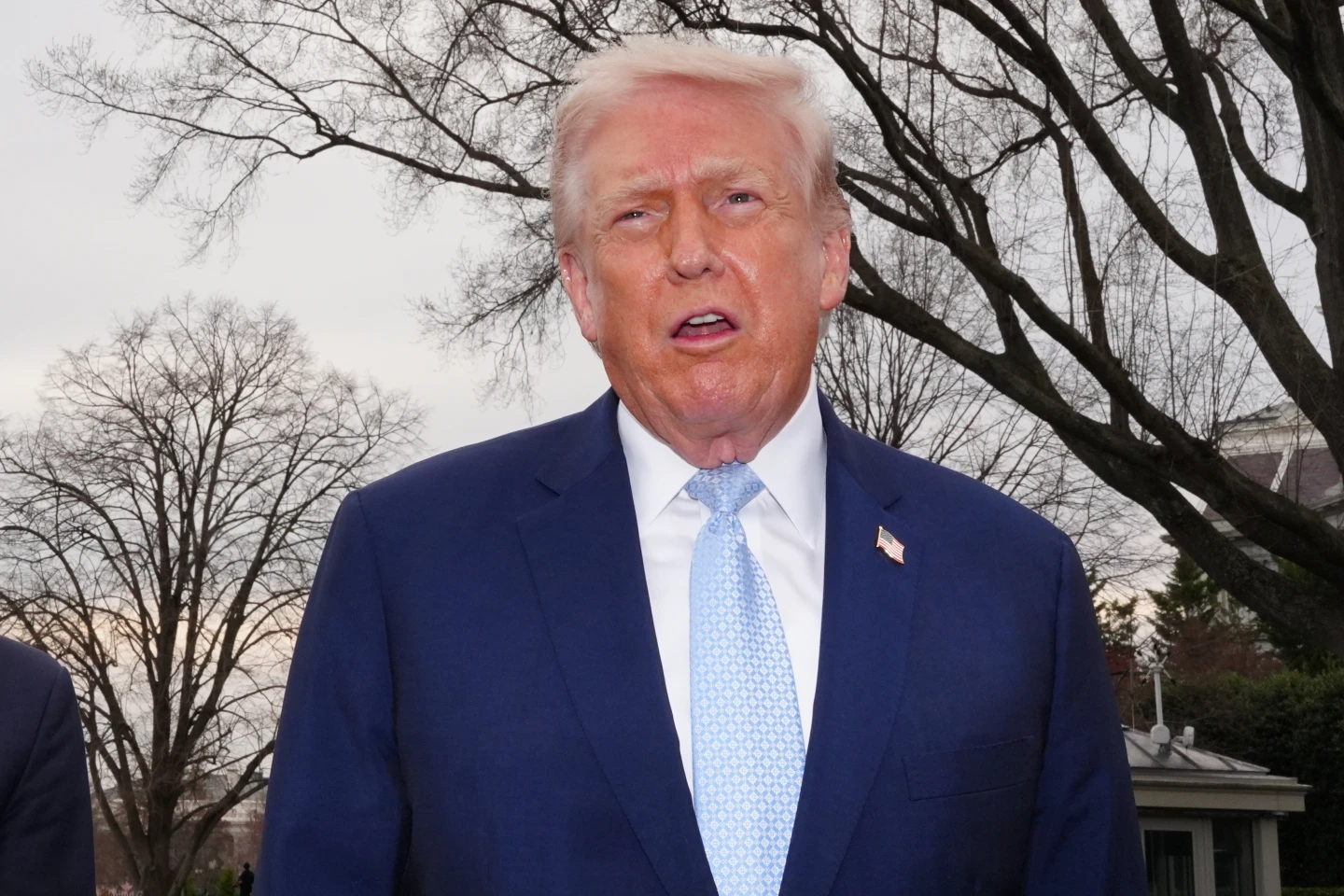
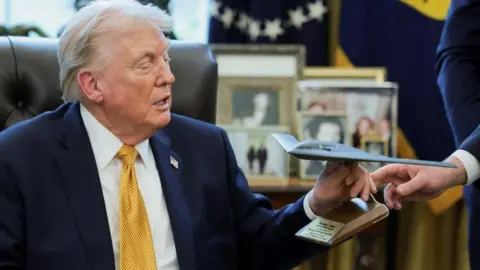
President Donald Trump personally conducted Kennedy's swearing-in ceremony amid aims for a swift cabinet overhaul. Kennedy, who has outspokenly criticized the efficacy of vaccines, previously ran as an independent presidential candidate and later withdrew to endorse Trump. Critics, including some Republicans, have expressed concern over his leadership position within key organizations like the CDC and FDA.
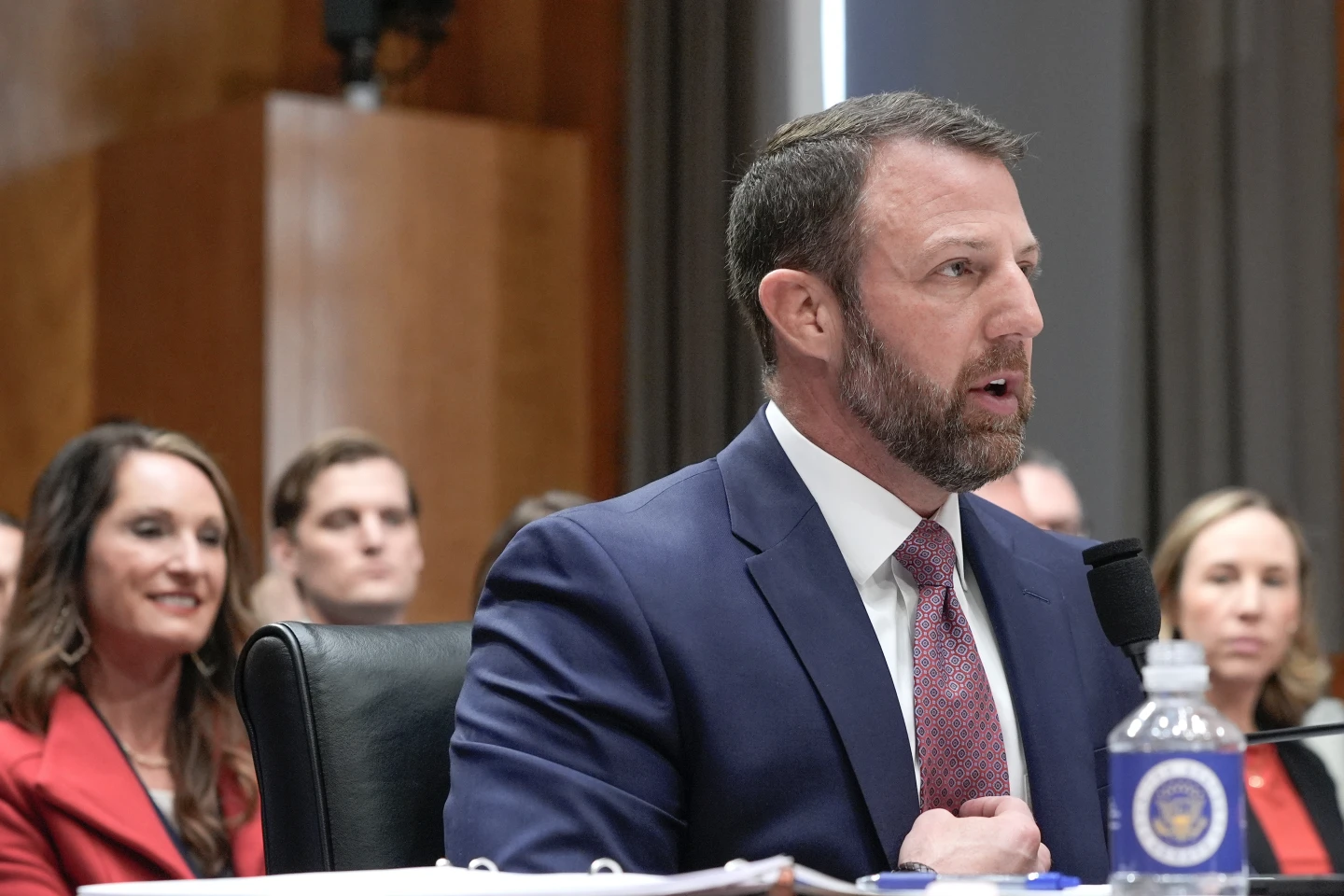
Throughout his confirmation hearings, Kennedy faced intense scrutiny regarding his views on vaccines and public health, including questions about his previous statements on abortion rights that appeared to contradict his pro-choice stance. He countered these inquiries by emphasizing his belief in state regulation over healthcare issues while maintaining that he is not anti-vaccine.
In contrast, supporters argue for his ability to challenge large pharmaceutical influences and advocate for food safety reforms. The hearing atmosphere oscillated between heated protests and applause following Kennedy's pledges towards public health initiatives.
The Senate's subsequent focus will be on advancing other nominations from the Trump administration, while Kennedy's controversial guidelines will likely draw ongoing scrutiny as he assumes responsibilities affecting millions of Americans' health decisions. Prominent figures, like his cousin Caroline Kennedy, continue to voice opposition, emphasizing the potential repercussions of his views on national health policy.
The path ahead for Kennedy is marked with both challenges and expectations, as stakeholders wait to see how his tenure shapes America's healthcare landscape and the ongoing discourse surrounding vaccine safety and efficacy.
With the stakes high, the country watches as a new chapter in health policy unfolds under Secretary Robert F. Kennedy Jr.'s leadership.
President Donald Trump personally conducted Kennedy's swearing-in ceremony amid aims for a swift cabinet overhaul. Kennedy, who has outspokenly criticized the efficacy of vaccines, previously ran as an independent presidential candidate and later withdrew to endorse Trump. Critics, including some Republicans, have expressed concern over his leadership position within key organizations like the CDC and FDA.
Throughout his confirmation hearings, Kennedy faced intense scrutiny regarding his views on vaccines and public health, including questions about his previous statements on abortion rights that appeared to contradict his pro-choice stance. He countered these inquiries by emphasizing his belief in state regulation over healthcare issues while maintaining that he is not anti-vaccine.
In contrast, supporters argue for his ability to challenge large pharmaceutical influences and advocate for food safety reforms. The hearing atmosphere oscillated between heated protests and applause following Kennedy's pledges towards public health initiatives.
The Senate's subsequent focus will be on advancing other nominations from the Trump administration, while Kennedy's controversial guidelines will likely draw ongoing scrutiny as he assumes responsibilities affecting millions of Americans' health decisions. Prominent figures, like his cousin Caroline Kennedy, continue to voice opposition, emphasizing the potential repercussions of his views on national health policy.
The path ahead for Kennedy is marked with both challenges and expectations, as stakeholders wait to see how his tenure shapes America's healthcare landscape and the ongoing discourse surrounding vaccine safety and efficacy.
With the stakes high, the country watches as a new chapter in health policy unfolds under Secretary Robert F. Kennedy Jr.'s leadership.