In brief
The Amazon River, the world's largest river system, faces a dramatic reduction in flow due to a second consecutive year of intense drought, affecting millions who rely on it for survival. With wildfires and energy shortages throughout the region, the effects of climate change are alarmingly evident.
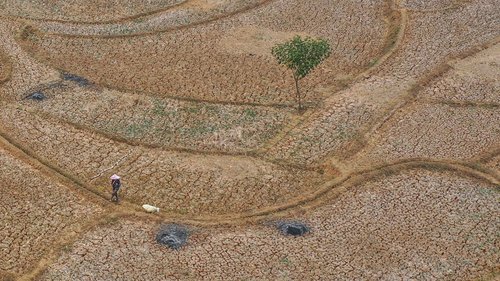
Record dry conditions in South America are causing unprecedented challenges, with the Amazon River, which supports approximately 30 million people across eight countries, facing alarming depletion. Colombia’s disaster risk agency reported that the river’s flow has been reduced by as much as 90 percent, leading to dire consequences for local communities.The drought, now in its second year, has disrupted lives and local economies, serving as a stark reminder of the severe impacts of climate change. In Brazil, treacherous wildfires have ravaged extensive areas of forest and wetlands, blanketing 80 percent of the country in smoke and prompting a wave of school closures and hospital visits due to respiratory issues.Further south, Paraguay grapples with its own crisis as the Paraguay River reaches historically low levels, stranding vessels and decimating fish populations, including the prized surubí catfish. This has forced many fishermen to seek alternative employment to support their families as vital resources dwindle.The widespread reliance on hydropower means that electricity production has also plummeted, particularly in Ecuador, where citizens are enduring energy shortages of up to 14 hours a day. These cuts severely disrupt daily life, affecting everything from internet access to economic activity, exacerbating the existing challenges faced by local populations.As conditions continue to worsen, the narrative of survival for these Indigenous communities becomes more precarious, raising the urgent question of how to ensure resilience in the face of climate catastrophe.