In brief
A US government report on children's health has drawn criticism for referencing fabricated studies, leading to concerns about citation integrity among academics involved.
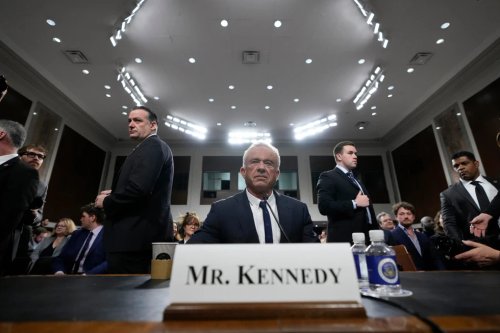
A report released by the US Health Department, led by Health Secretary Robert F. Kennedy Jr., has come under scrutiny for citing several studies that academics have deemed "totally fabricated." The report, originally published on May 22, aimed to address a "chronic disease crisis" among American children but was later amended on May 29 after an investigation revealed the inclusion of seven non-existent sources.White House press secretary Karoline Leavitt acknowledged "formatting issues" but insisted that this did not undermine the report's substantive claims. The document emerged following directives from one of President Donald Trump's executive orders, aimed at examining potential contributors to chronic illnesses in children.The report identified factors such as poor diet, environmental toxins, stress, physical inactivity, and "overmedicalisation" as significant contributors to health issues among youth. However, the academic community reacted strongly when several researchers named as authors of the supposedly cited studies publicly stated that they had not written them, and in some cases, that the studies did not exist at all.Professor Guohua Li from Columbia University, who was incorrectly attributed as the author of a report on children’s mental health during the pandemic, expressed his shock, labeling the citation as "totally fabricated." Similar disavowals came from his colleague Noah Kreski and epidemiology professor Katherine Keyes, who highlighted the importance of rigorous citation practices in scientific research.The Democratic National Committee criticized RFK Jr.’s Department of Health and Human Services for relying on these questionable sources to support its policy decisions, describing the citations as riddled with errors. Since his appointment in February, RFK Jr. has implemented major changes within the health department, including significant staff cuts and plans for placebo trials for new vaccines, amplifying concerns about the department’s integrity and credibility.