In brief
With outbreaks surging across multiple states, prominent health officials, including Dr. Mehmet Oz, emphasize the importance of vaccinations against measles to prevent losing the U.S. elimination status. The recent resurgence comes amid increasing vaccine skepticism and public unease, particularly as childhood vaccination rates decline and misinformation spreads.
WASHINGTON (AP) — As measles outbreaks stretch across several states, a leading U.S. health official is urgently advocating for vaccinations to combat this preventable disease.
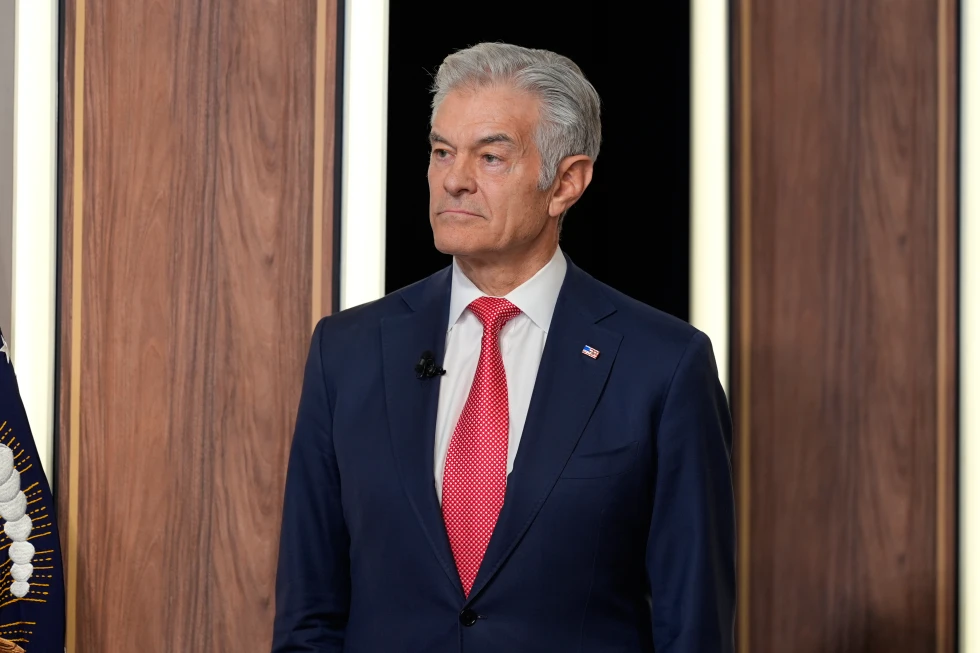
“Take the vaccine, please,” implored Dr. Mehmet Oz, the Centers for Medicare and Medicaid Services administrator, highlighting the risk of losing the U.S. measles elimination status if vaccination rates do not rise. Oz's appeal comes amidst growing skepticism about vaccine safety and efficacy, particularly influenced by prior statements from political figures.
During an appearance on CNN’s “State of the Union,” Oz distinguished measles as a highly contagious and dangerous illness. He emphasized that the federal vaccination recommendations are aimed at protecting public health, particularly for children who are the most vulnerable to the disease.
The recent surge in measles cases has reportedly surpassed previous records, particularly alarming health officials as communities reflect on the impact of misinformation surrounding vaccines. Oz noted, “Not all illnesses are equally dangerous, and measles is one you should definitely get vaccinated against.”
Outbreaks particularly in South Carolina and near the Utah-Arizona border have sparked concerns, with documented cases often linked to lower vaccination rates, especially in communities with pervasive vaccine mistrust. In a concerning trend, exemptions from vaccination requirements are at an all-time high.
Meanwhile, official vaccine recommendations have been under scrutiny following a significant overhaul requested by the current administration. This has led to mixed messages about vaccine efficacy and the importance of public health guidelines.
“It’s vital to restore trust in our public health system, especially after the highly politicized debates surrounding COVID-19 vaccinations,” said Oz. Vaccination costs will remain covered under Medicare and Medicaid, ensuring access for all Americans.
Securing Health through Vaccination
Oz reiterated that there would be no barriers preventing Americans from accessing the measles vaccine, a crucial step needed to curb the rising trend of infections. Critically, the one-time eradicated disease threatens a significant public health setback if current trends continue.
As discussions surrounding vaccine safety continue, U.S. public health officials find themselves navigating a landscape rife with misinformation and a growing anti-vaccine sentiment. Advocacy and educational campaigns focusing on the benefits of vaccination are more critical than ever to safeguard public health.