In brief
Robert F. Kennedy Jr., the U.S. Health Secretary, vowed to restore trust in federal health agencies through transparency. However, the past year has seen delays and disappearances of crucial health data, frustrating researchers and highlighting issues in public health information dissemination. Advocates stress that the lack of accessible data undermines efforts to address ongoing health crises like addiction and the health of vulnerable communities, including LGBTQ youth.
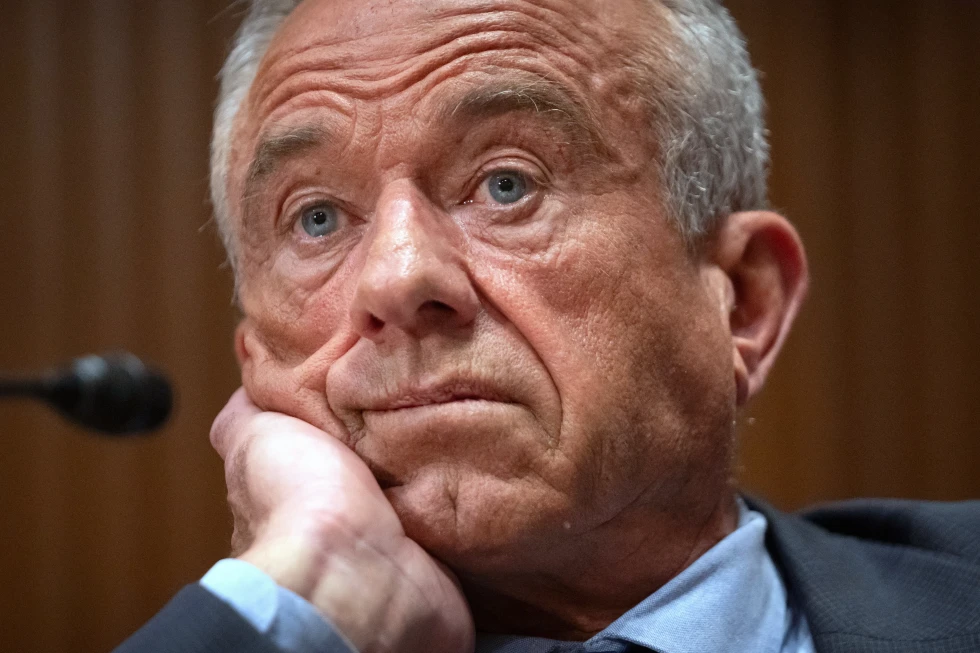
NEW YORK (AP) — A year after U.S. Health Secretary Robert F. Kennedy Jr. promised to restore public trust in federal health agencies with a commitment to 'radical transparency', the reality presents a stark contrast. An alarming pattern of delayed, deleted, and halted data from federal health agencies has emerged, casting doubt on his assurances.
Several factors contribute to the downturn in health information flow, including unprecedented layoffs and an extended government shutdown. Regulations imposed during the Trump administration even required the removal of health agency websites. Frequently, researchers had to archive federal datasets, culminating in a lawsuit that ultimately restored these websites.
Ariel Beccia, a public health researcher at Harvard, expressed her dismay regarding these changes. 'We pay taxes to hopefully have good, inclusive public health practice and data,' said Beccia, who is focused on LGBTQ youth health. 'It feels like every single day, something integral to my work is being taken away.'
In response to concerns regarding the drop in available data, a spokesman for Kennedy asserted that the inquiries into the matter were flawed and emphasized ongoing transparency enhancements made by his department. He cited a webpage detailing the agency's transparency efforts, which highlights various initiatives aimed at restoring public trust.
However, critical inconsistencies remain: for instance, the Centers for Disease Control and Prevention (CDC) has not released its annual abortion surveillance report despite widespread expectations and a blueprint aimed at improving abortion-related data collection. This delay has been attributed to a variety of political and administrative factors, yet has left public health advocates unsettled.
Moreover, key initiatives, such as campaign efforts on smoking prevention and drug overdose reporting, have also been scaled back significantly, aligning with broader cuts and data restrictions that jeopardize nationwide health monitoring and response strategies.
Experts continuously warn that diminishing public health data not only hampers research but also negatively impacts vulnerable communities, underscoring the need for transparency and comprehensive public health strategies. Beccia stated, ‘Without the data, we can’t systematically show the harm being done by these policies.’