The factory, intended to be BYD's first EV plant outside Asia, was anticipated to begin operations by March 2025. Reports from the MPT described workers living in dire conditions, forced to share inadequate facilities and bathrooms among large groups, exemplifying the precariousness and degradation that characterized their environment. Such conditions fall under Brazil's definition of "slavery-like" labor, which includes debt bondage and violations of human dignity.
Despite efforts to improve the situation, including requests for better living and working conditions, the construction firm named Jinjiang Construction Brazil has come under fire for its practices. The MPT's concern revolves not only around living conditions but also the enforcement of forced labor, as many workers faced prohibited contract termination costs due to withheld wages. The company BYD has pledged to assess and ensure compliance with relevant labor laws, reaffirming its commitment to ethical practices.
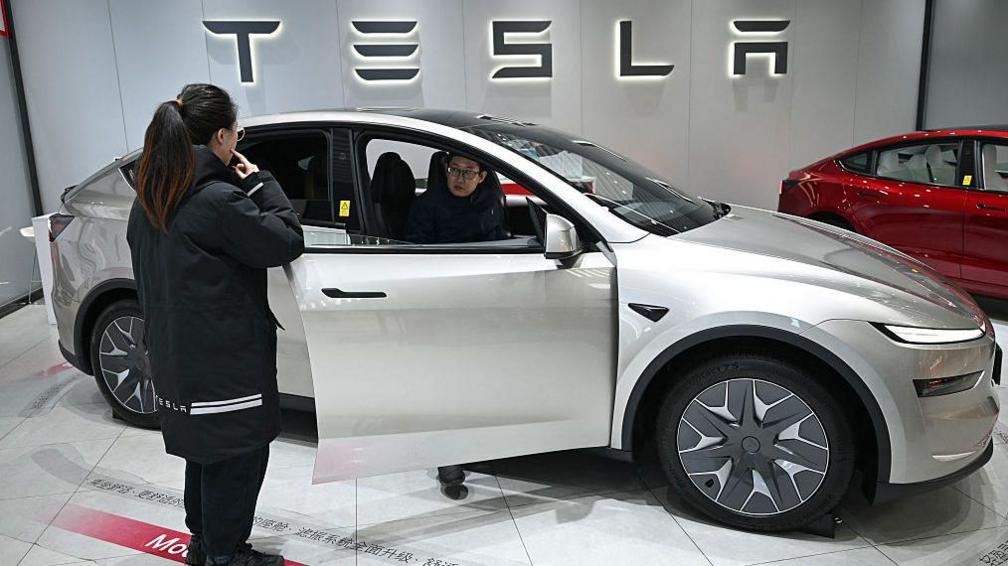
Meanwhile, BYD leads the EV market, having sold more vehicles than Tesla in late 2023, signaling its significant presence in Brazil, the company’s largest overseas market. Having entered Brazil in 2015 with the production of electric bus chassis, BYD announced plans last year to invest heavily in local EV manufacturing. The factory construction halt sheds light on the broader discussions around labor rights and ethical manufacturing amid globalization in the automotive industry.
Despite efforts to improve the situation, including requests for better living and working conditions, the construction firm named Jinjiang Construction Brazil has come under fire for its practices. The MPT's concern revolves not only around living conditions but also the enforcement of forced labor, as many workers faced prohibited contract termination costs due to withheld wages. The company BYD has pledged to assess and ensure compliance with relevant labor laws, reaffirming its commitment to ethical practices.
Meanwhile, BYD leads the EV market, having sold more vehicles than Tesla in late 2023, signaling its significant presence in Brazil, the company’s largest overseas market. Having entered Brazil in 2015 with the production of electric bus chassis, BYD announced plans last year to invest heavily in local EV manufacturing. The factory construction halt sheds light on the broader discussions around labor rights and ethical manufacturing amid globalization in the automotive industry.