In brief
In the wake of a new oil discovery off Brazil’s Amazon coast, President Lula celebrated the potential revenue while environmentalists and indigenous communities caution against risks to the rainforest’s delicate ecosystems. The find could boost local economies, but oil extraction threatens biodiversity and the livelihoods of Native peoples who depend on the river for sustenance. As Brazil prepares for a national election, the government’s stance presents a complex dilemma between development and safeguarding the Amazon’s heritage.
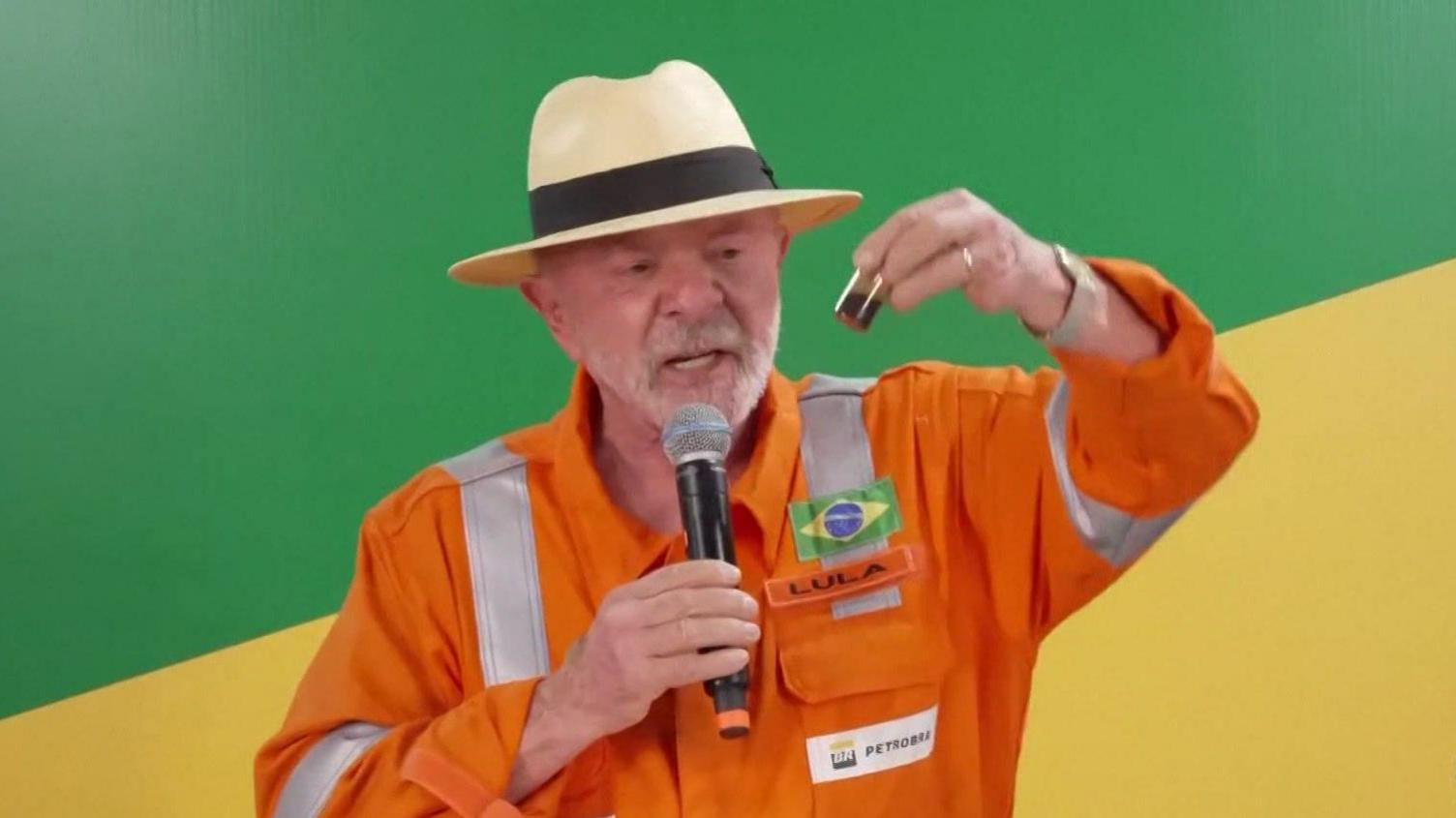
Brazilian President Luiz Inácio Lula da Silva hailed a newly‑discovered oil field off the mouth of the Amazon River, framing it as a potential passport to the country’s future. The announcement came after Petrobras announced exploratory drilling in the Brazilian Equatorial Margin, a region rich in biodiversity and home to numerous indigenous groups.
For many Native communities, the Amazon is more than a forest; it is a living repository of ancestral knowledge, medicinal plants, and cultural identity. They worry that oil extraction could spill into rivers, coral reefs, and wetlands, disrupting ecosystems that have sustained them for centuries. Environmentalists have warned about the high oil‑spill risk in the deep‑water zone, calling for stringent safety protocols or a complete moratorium.
Lula counters criticism, asserting national sovereignty and the economic benefits of oil revenues. He argues that the income could fund Brazil’s transition to renewable fuels, reinforcing the country’s role as a bio‑energy leader. Yet, his declaration just weeks before the COP30 climate conference and a looming election leaves indigenous activists uneasy, as the prioritization of economic influence clashes with the conservation of the Amazon’s ancient wisdom.
Local towns such as Oiapoque, where developers anticipate jobs, have seen population growth, but also heightened pressure on resources. Indigenous allies call for inclusive decision‑making that honors traditional stewardship, while government officials demand that economic strategy not eclipse ecological protection.
The unfolding debate underscores a wider global tension: balancing immediate economic gains with the long‑term stewardship of ecosystems that serve as living classrooms for centuries of ecological knowledge. How Brazil resolves this conflict will shape the future of the Amazon’s indigenous peoples and the planet’s climate resilience.