In brief
A recent diplomatic clash between the United States and Colombia highlights the contentious nature of U.S. deportation policies and the involvement of military resources in humanitarian crises.
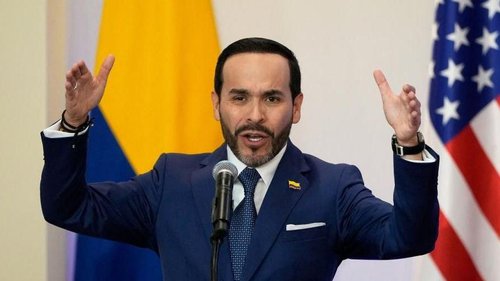
In a compelling turn of events, Colombian President Gustavo Petro took to social media to announce that he had turned back U.S. military planes carrying deportees. This move came as a direct response to President Trump's stated plans for increased deportations, which included deploying military aircraft. The tension escalated when Trump threatened severe tariffs and penalties, forcing Petro to relent. Former Colombian senator Jorge Enrique Robledo remarked, "They pushed until he had to bend."Subsequently, both governments reached an agreement allowing Colombia to accept all deported nationals, including those transported by military jets, a development that Trump celebrated as a victory. However, this incident has ignited a debate about the implications of using military aircraft for deportations, raising critical questions within the international community.Key questions include: Have military planes always been a part of deportation efforts? Is the Trump administration using them exclusively for this purpose? What has been the reception of these planes in other nations? Unlike previous practices, the deployment of military resources for deportations has become a hallmark of the Trump administration's strategy to tackle illegal immigration. An executive order, recently signed by Trump, has now authorized the U.S. military to aid in securing the border, blurring lines between military functions and immigration enforcement.The use of military planes raises concerns among Latin American leaders, prompting inquiries into why these flights create friction between nations. The outcome of this episode underscores the complexities of immigration issues in contemporary diplomacy, especially as it relates to humanitarian considerations and international cooperation.As this situation continues to unfold, it remains to be seen how the U.S. military's role in deportations will evolve and how it will affect relations with Colombia and the broader Latin American region.