In brief
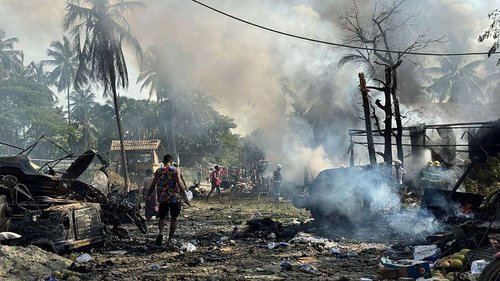
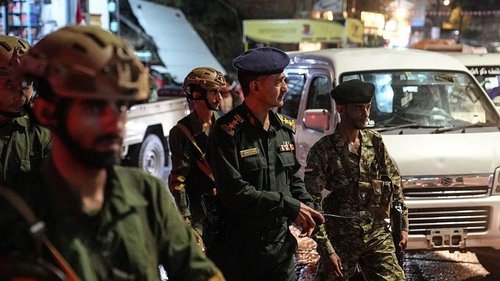
Myanmar's earthquake, which struck the country recently, has thrown its political and humanitarian landscape into further turmoil. The military-dominated government has issued an unprecedented appeal for help, but many fear that the country's long-term isolation will greatly impede aid delivery. The military’s involvement poses questions about how aid will be distributed, with allegations that they may redirect or restrict assistance meant for those in need.
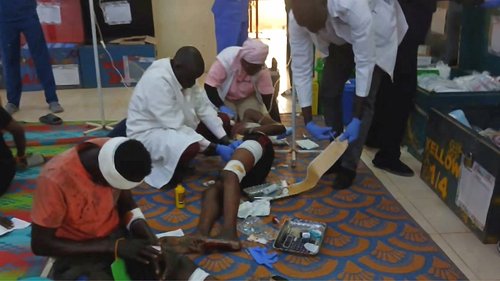
Despite previous sanctions from the international community following a military coup in 2021—coupled with the longstanding crisis surrounding the Rohingya population—the United Nations has stepped forward to coordinate humanitarian responses. Significant obstacles remain, particularly as the safety of international aid workers comes into question and tensions between government-controlled and rebel-held areas continue to flare.Experts warn that the military might exploit the situation, manipulating aid efforts for their own public relations purposes, which could prevent necessary supplies from reaching the most affected populations. As the world watches, the growing humanitarian crisis continues to unfold, leaving many wondering if the international community's effort will be sufficient in providing relief to the Myanmar people's plight.The earthquakes have exacerbated the existing humanitarian challenges, as the country is already caught up in a web of political unrest. The focus remains on how the international community can effectively respond to the urgent needs of the people while navigating the intricate landscape of Myanmar's political situation. In these crucial times, it remains imperative to ensure that aid reaches those who need it most without interference, securing a path towards recovery amidst chaos.